
Off-Track Repair in Lakeland North
Off-Track Garage Door Repair for Lakeland North Homes
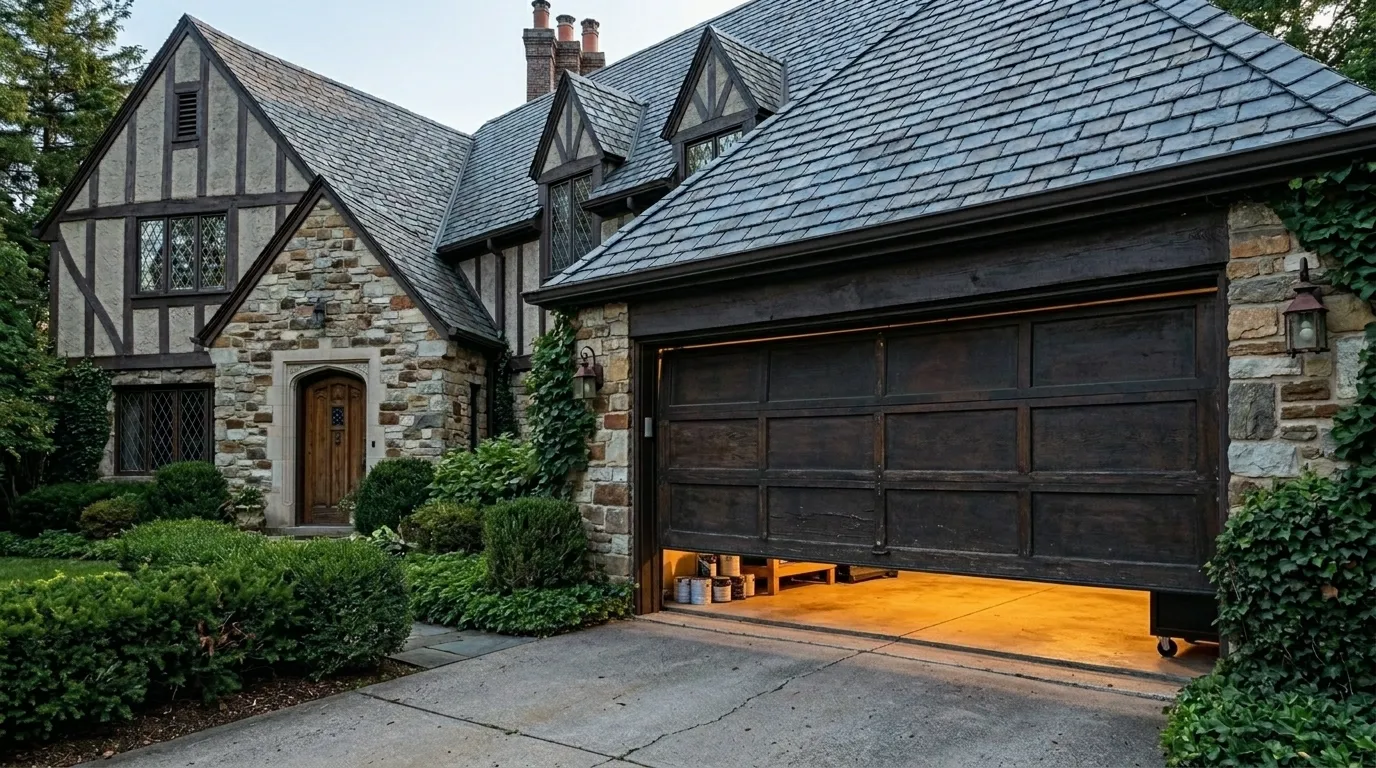
Lakeland North homes built around 1978 carry steel doors on old roller track. We drive from Federal Way to reset the door and check the hardware that let it jump.
What Happens When You Call
-
1
Call or Request a Quote
Tell us what the door is doing and roughly how old the house is - that alone points us toward the likely part before a truck leaves.
-
2
On-Site Diagnosis
A tech checks the spring, cables, tracks, and opener in person and tells you plainly what is actually wrong.
-
3
Straight Price, No Surprises
You get a number before any work starts. It covers parts and labor, nothing added after the fact.
-
4
Fixed the Same Visit
Most repairs are done in one trip. If a part needs sourcing, we tell you that upfront instead of guessing.
How to Book
Call in and tell us the door is off track - that's enough for us to load the right rollers and track sections before we leave Federal Way. Lakeland North sits about 3 miles out, so it's a short run for us, not a special trip. We ask a few quick questions: is the door stuck open, stuck shut, or hanging crooked in the opening?
Is one side down further than the other? That tells us whether we're dealing with a bent track, a snapped cable, or a roller that's chewed through its track slot. We don't quote a fixed time window here - we're not staffed out of Lakeland North itself, we're a truck coming from Federal Way, and traffic on a given day changes things.
What we can tell you is that we bring parts sized for the doors this neighborhood actually has, not a generic kit. If you can, don't force the door up or down before we get there. A door that's already off track can drop the rest of the way if you keep pulling on it, and that turns a track repair into a panel and spring job.
How It Shows Up
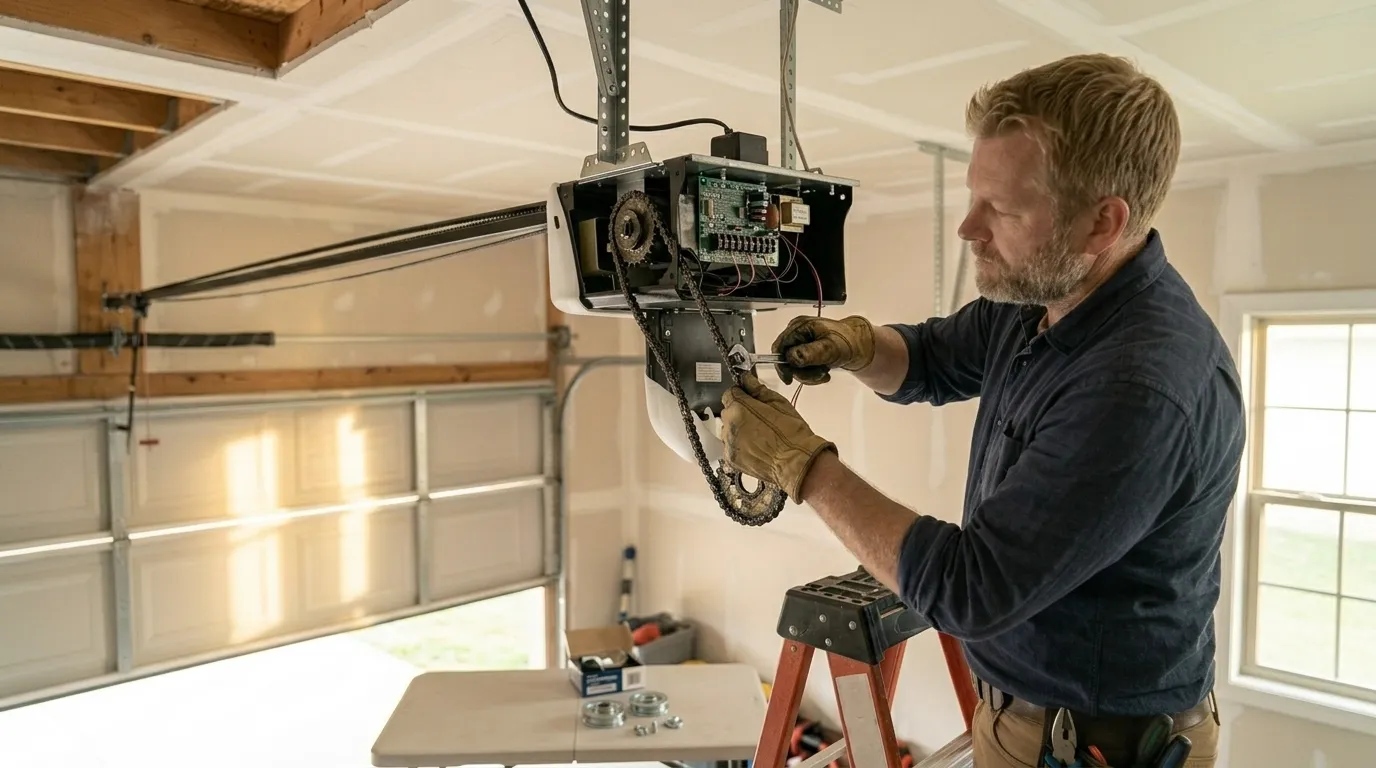
Most houses in Lakeland North went up around 1978, and the garage doors that came with them were single-layer steel panels, usually the 16-foot double or a single 9-foot bay, hung on light-gauge steel track with plain steel rollers - no nylon, no ball bearings. That hardware was standard for the era and it's held up decades longer than anyone expected, but the track brackets are thin and the roller stems wear a groove into the track over enough winters. When it goes off track here, it's rarely dramatic.
One roller walks out of the channel a little at a time, the door starts to rack at an angle you can see if you stand back and look at the top corners, and eventually a roller pops clean out. You'll hear a grinding or a soft clunk on the way up or down before it fully jumps. Sometimes the door just stops a foot off the floor and won't go further.
On a double-wide door, one side dropping lower than the other while the opener keeps trying to run is the clearest sign - the track has bent enough that the roller can't track through it anymore, not that the opener itself has failed.
Why It Happens Here
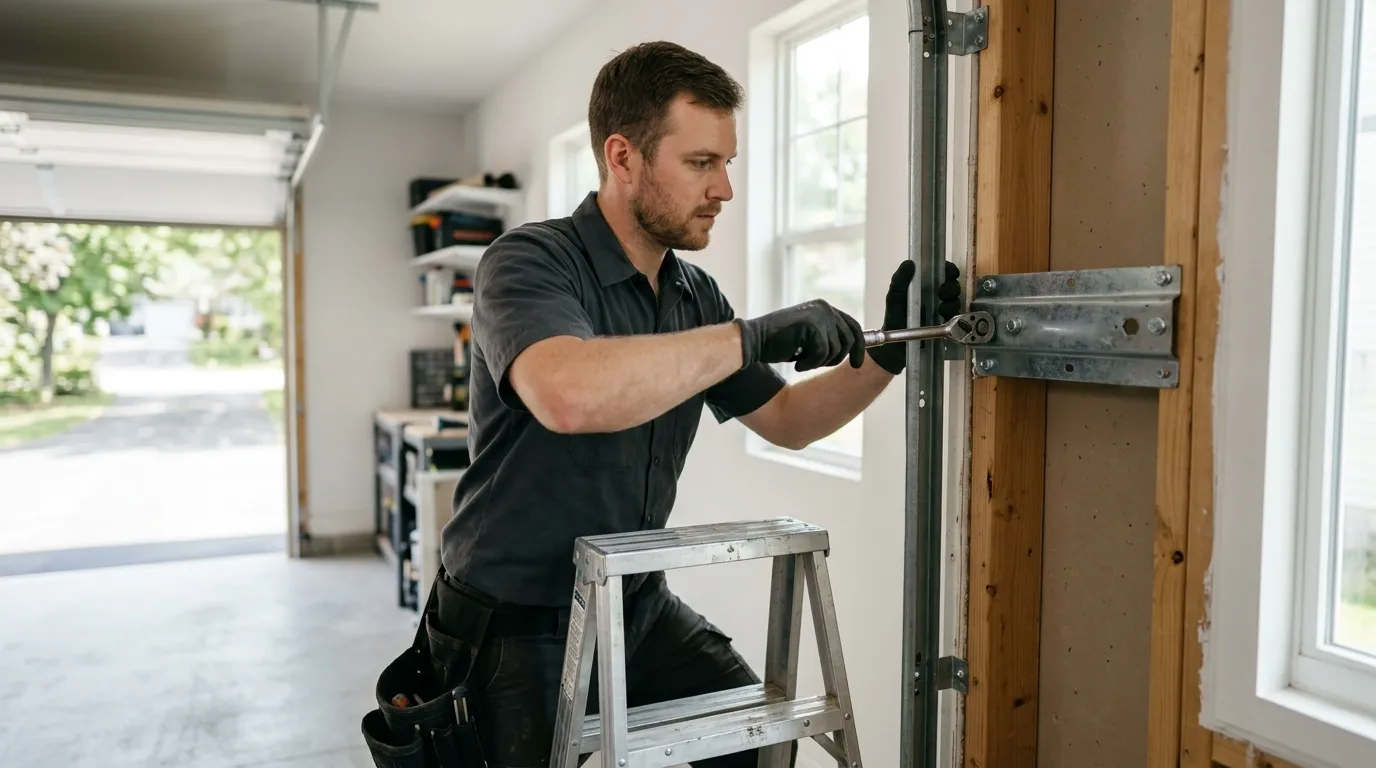
Track brackets from the 1978-era builds are lag-bolted into jamb framing that's shifted a little over 45-plus years, and that's the root of a lot of the off-track calls out this way - not a defect in the door, just age doing what age does to fasteners and studs. Add in a cold, moderate climate where steel track contracts through winter nights, and a bracket that's already a quarter-inch loose gets worse faster than it would somewhere milder. We also see it on doors that never had their track brackets re-torqued after the original install - nobody thinks to check them, because nothing looks wrong until a roller finally slips the rail.
Bigger double doors are more exposed to this than single bays, since more roller pairs means more chances for one bracket to walk before the others. None of this needs a dramatic cause - no storm, no impact - just decades of thermal cycling on original 1970s hardware that was fine when it went in and is due for a look now.
What Is on the Truck
For this style of door we carry replacement steel track sections in the lengths that fit a 7-foot door opening, plain steel rollers to match what's already on the door (no reason to upgrade to nylon mid-repair unless you ask), and lag bolts and brackets sized for standard jamb framing. We check every bracket along the vertical and horizontal track while we're in there, not just the one that let go, since a loose neighbor bracket is usually most of the reason the first one failed.
One honest limit: if the track is bent badly enough, or the door panel itself has racked and bowed from being run off track for a while, straightening it isn't worth doing - a used panel section or full replacement door ends up cheaper over time than a patched-up track fight. We'll tell you straight if that's where your door is instead of billing you for a repair that won't hold.
Talk to a Lakeland North Technician First
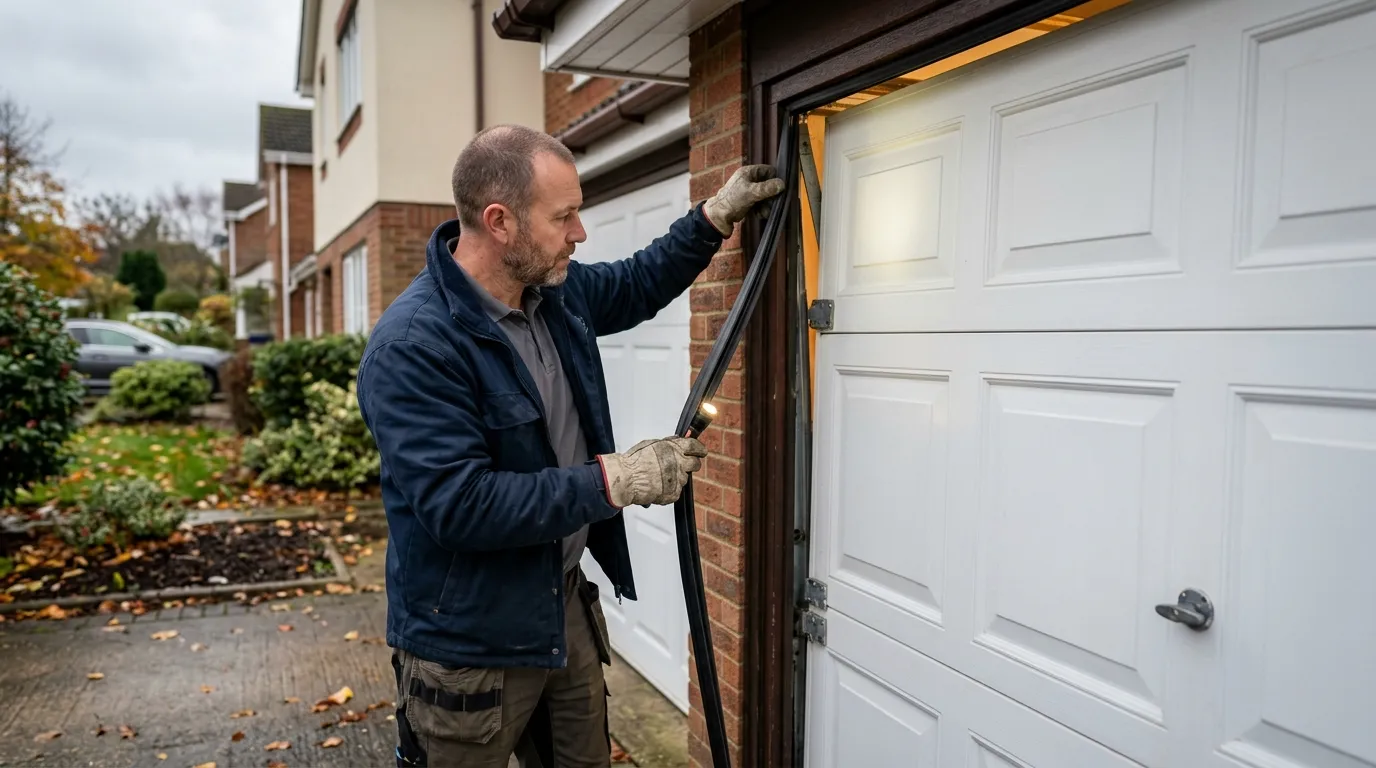
Describe what the door is doing and get a straight answer on what it likely needs.
Other Garage Door Services in Lakeland North
Recent Work in Lakeland North
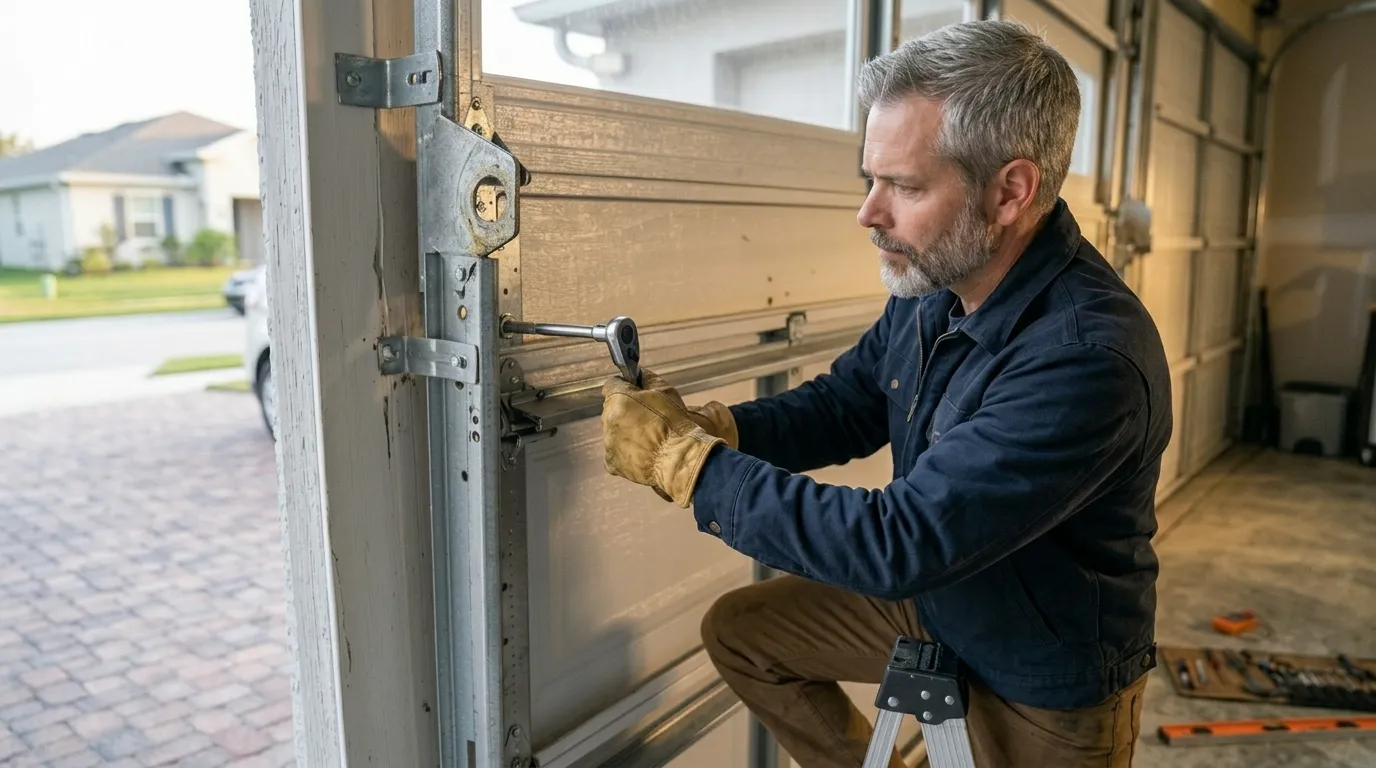
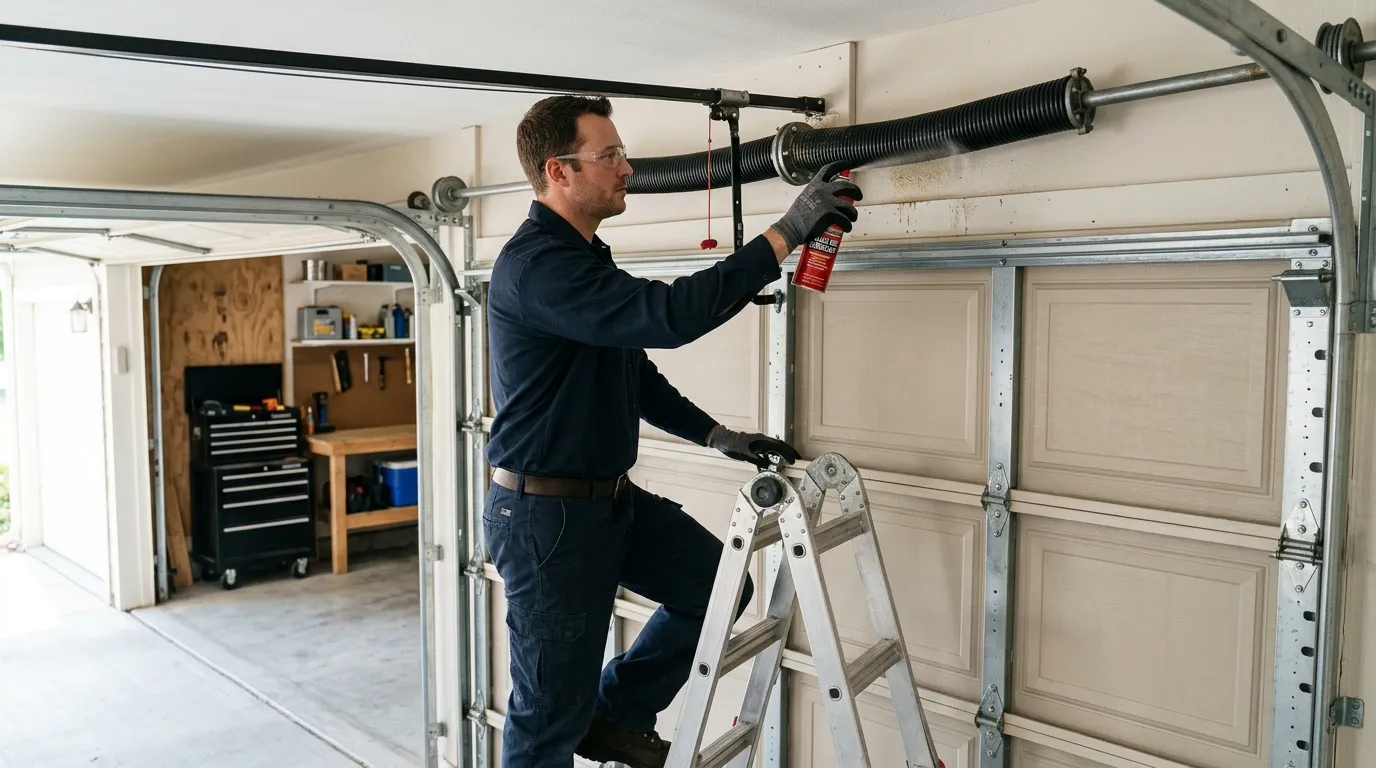
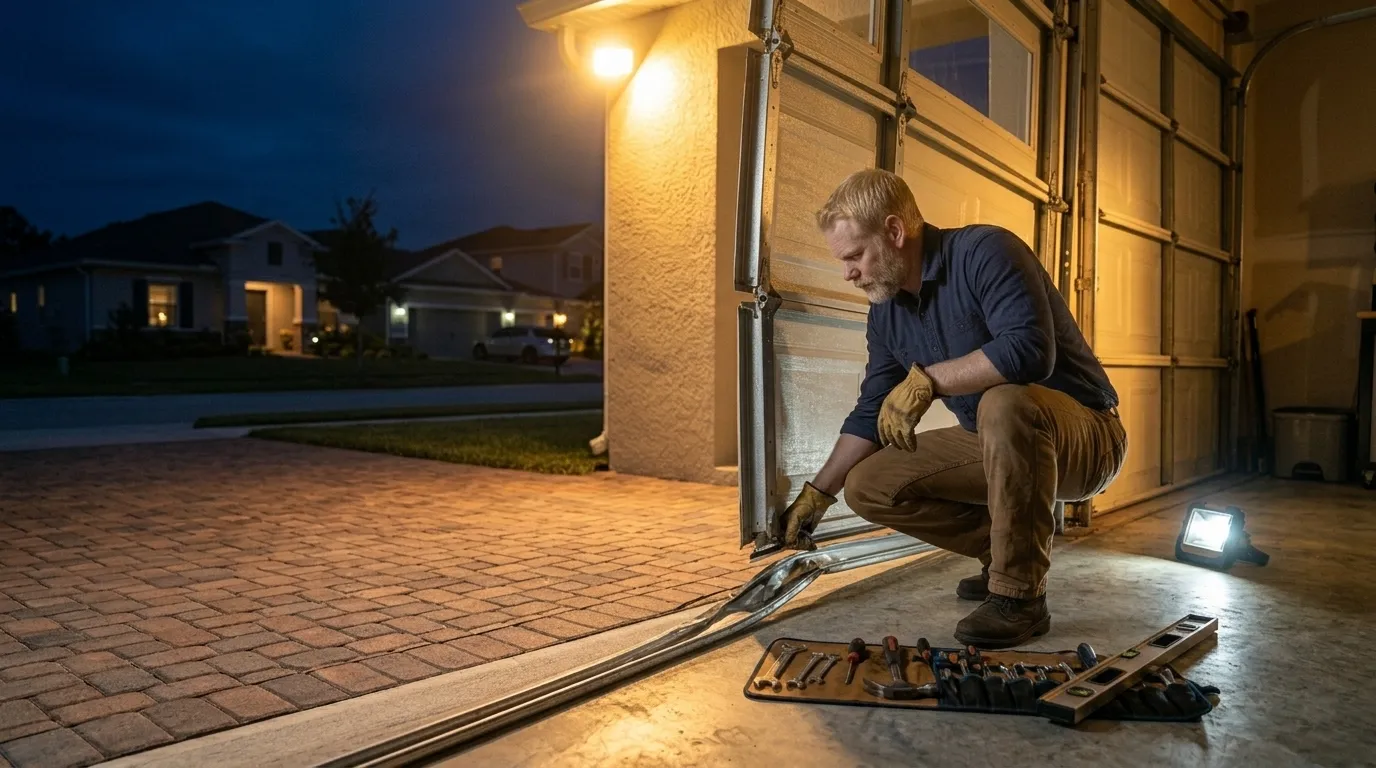
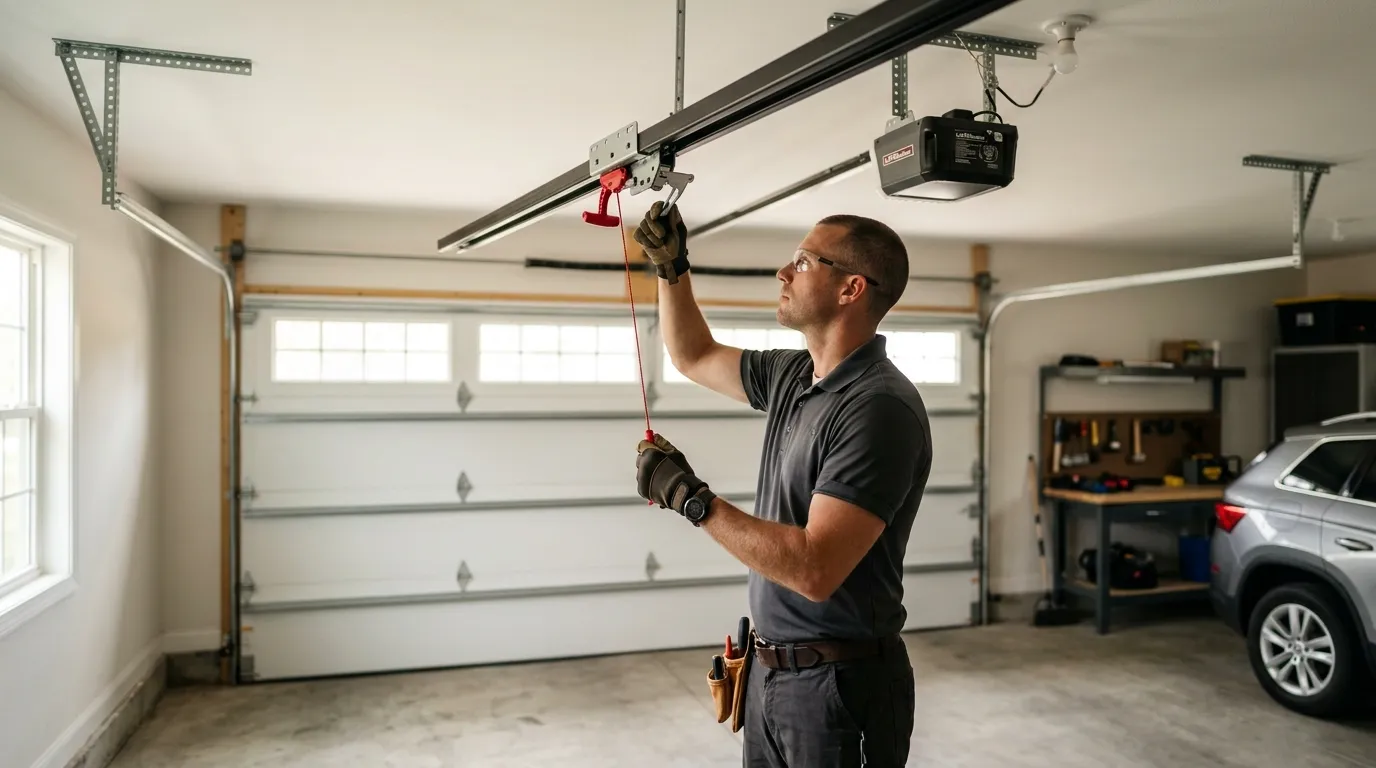
A look at jobs our crew has been on nearby.
Why Lakeland North Calls Us
Frequently Asked Questions
Why does my garage door keep jumping the track in Lakeland North?
Most houses here date to around 1978, with steel track and plain steel rollers bolted into jamb framing that's shifted slightly over the decades. A loose bracket lets a roller walk out of the channel a little at a time until it finally pops. It's normal wear for this housing stock, not a sign you did anything wrong.
Is it safe to keep opening and closing a door that's partly off track?
No. Once a roller is out of the track, forcing the opener to keep running can bend the track further and rack the panel, turning a bracket-and-roller fix into a full panel replacement. Leave it where it stopped and call before you use it again.
Do you have a branch in Lakeland North?
No, we run out of Federal Way, about 3 miles away, and drive out for calls in Lakeland North. That's a short trip, not a separate service area, and it doesn't change what's on the truck or how the repair gets done.
Will you just push the door back on the track?
Sometimes, if the track itself is straight and only a roller slipped. But we check every bracket while we're there, since one loose bracket usually means its neighbors aren't far behind. Pushing a roller back without checking the rest just brings you back to the same call in a season or two.
Need Off-Track Repair in Lakeland North?
Call now for straight answers on cost and timing.