Commercial Garage Door in South Hill
Commercial Garage Door Work for South Hill's Newer Building Stock
South Hill's commercial buildings mostly date to the 1990s growth wave, a decade newer than Federal Way's median stock - that gap changes what fails and what we bring on the truck.
What Happens When You Call
-
1
Call or Request a Quote
Tell us what the door is doing and roughly how old the house is - that alone points us toward the likely part before a truck leaves.
-
2
On-Site Diagnosis
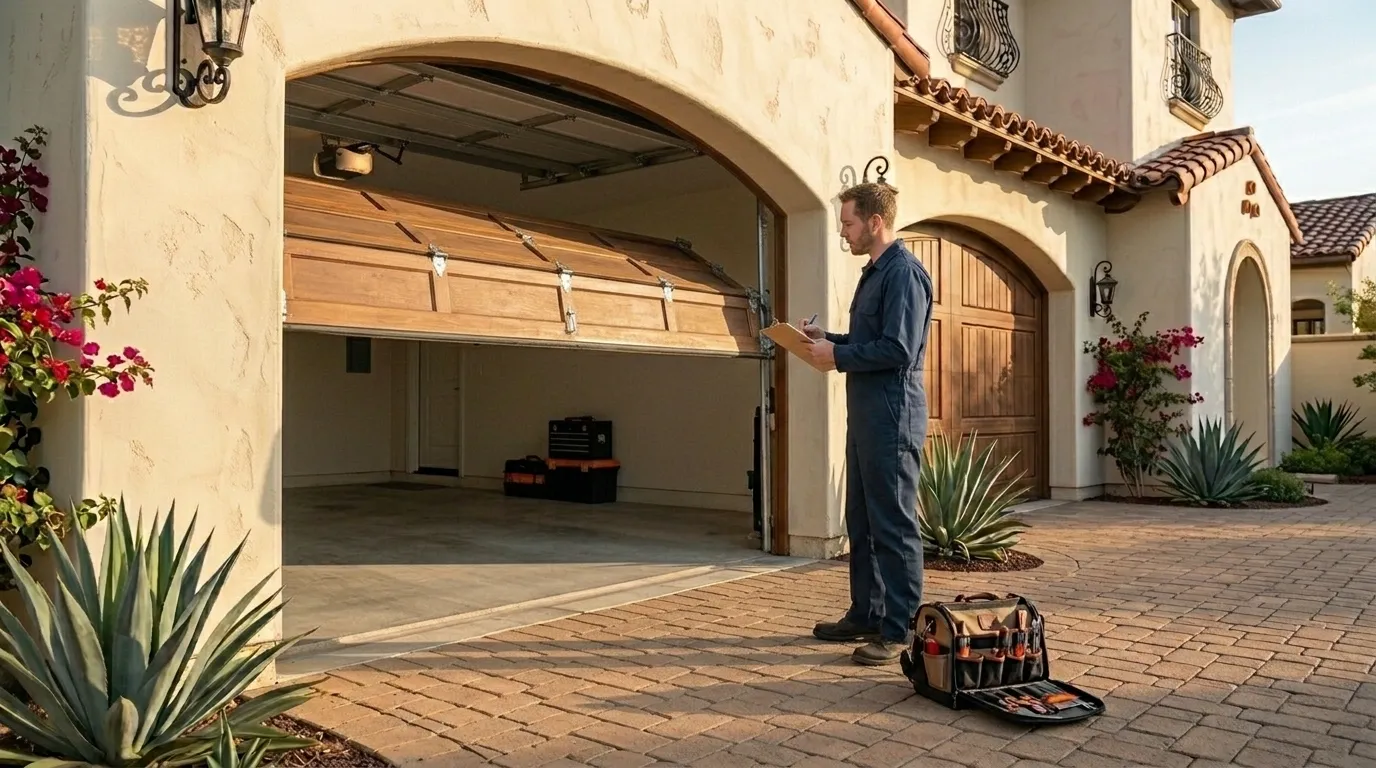
A tech checks the spring, cables, tracks, and opener in person and tells you plainly what is actually wrong.
-
3
Straight Price, No Surprises
You get a number before any work starts. It covers parts and labor, nothing added after the fact.
-
4
Fixed the Same Visit
Most repairs are done in one trip. If a part needs sourcing, we tell you that upfront instead of guessing.
Time on the Job
Federal Way's housing stock runs older overall, with a median build year of 1984 across the service area. South Hill sits on the newer side of that spread - its homes and the light commercial buildings around them cluster closer to 1997. That ten-plus year gap matters on a commercial call.
A door installed in the mid-1990s isn't fighting the same problems as one from the 1970s: the steel gauge is usually better, the track is typically galvanized rather than bare steel, and the opener, if original, is more likely a chain or jackshaft unit than anything older. We come out from Federal Way, about 13 miles off, so there's no local branch sitting in South Hill - every job starts with that drive, and we plan the truck load around what a 1990s-era commercial door usually needs before we ever pull up. That planning saves a second trip when the failure turns out to be a part we'd have guessed wrong for an older building.
Why It Happens Here
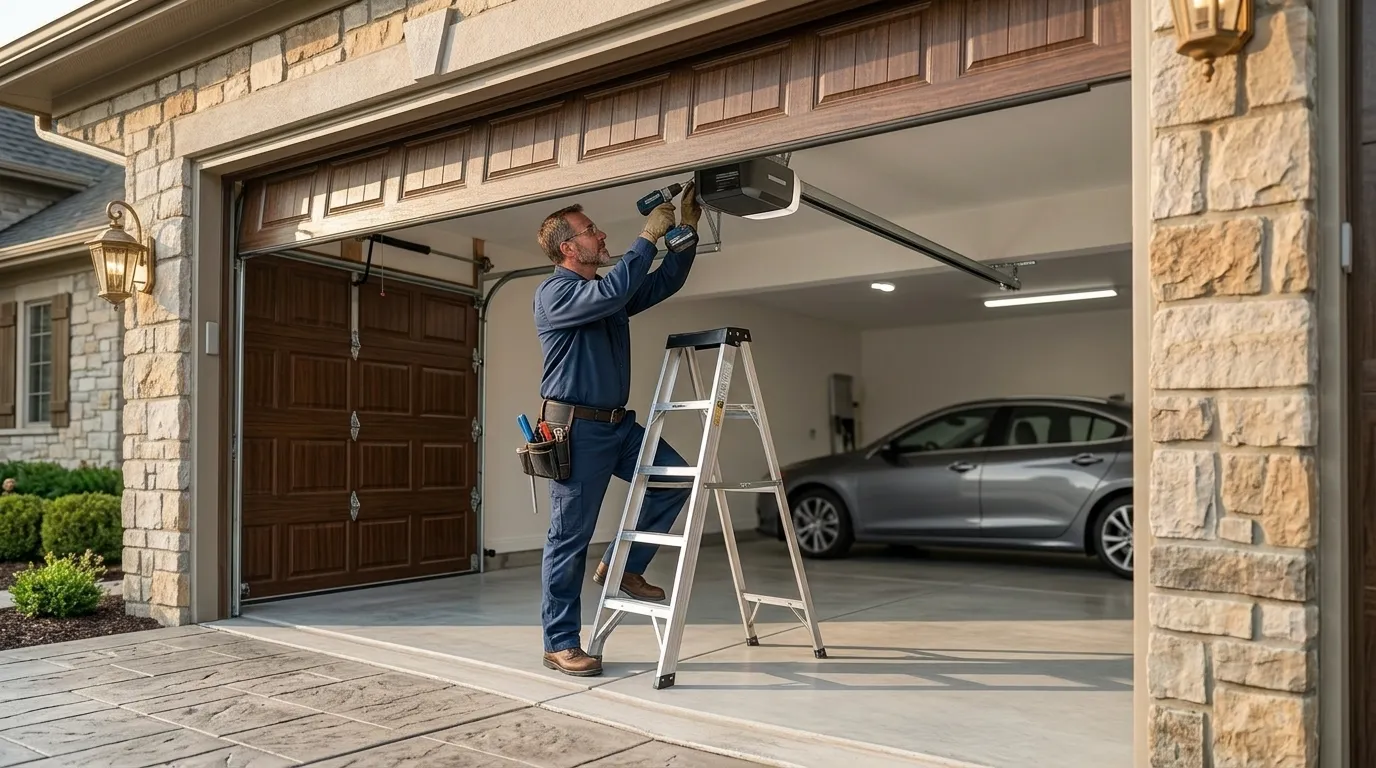
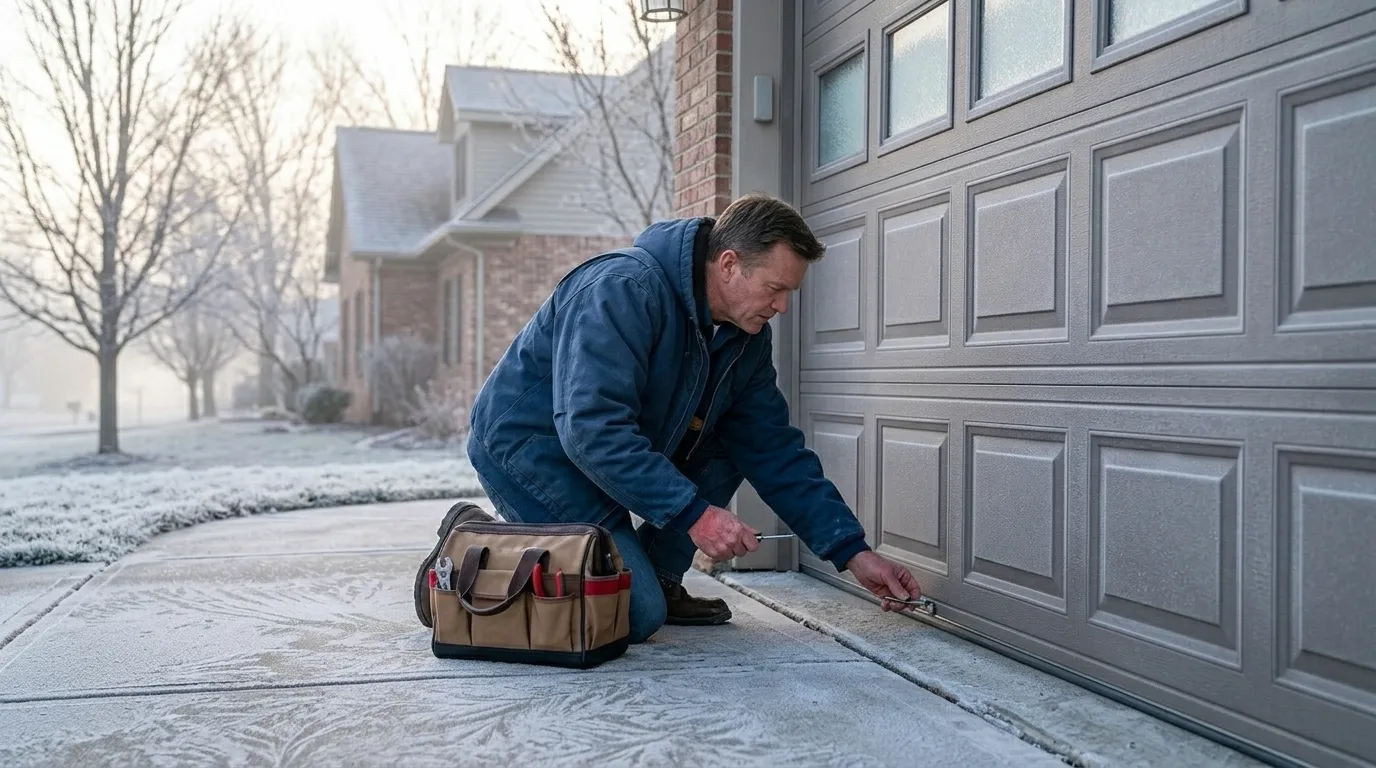
South Hill sits in a cold-moderate climate band, which over a few decades means real freeze-thaw cycling on anything exposed - hinges, bottom brackets, exterior track brackets bolted to a concrete apron. On a building put up around 1997, that's roughly a quarter-century of seasonal expansion and contraction working on the same hardware. Nylon rollers from that era are usually past their service life by now, and galvanized track from the mid-90s starts showing surface rust at the fastener points even if the door face still looks fine.
Commercial doors here also tend to be wider than a residential double - more panel weight on the same spring set, which shortens spring life when the building sees several openings a day. None of this is dramatic weather. It's steady cold-and-thaw wear on hardware that was decent when it went in but was never meant to run forever.
The area's household growth and steady income base (median income $109,235, close to the wider service area's $108,738) point to a lot of small commercial and mixed-use buildings from that same period doing daily duty, which is exactly where this wear shows up first.
What Is on the Truck
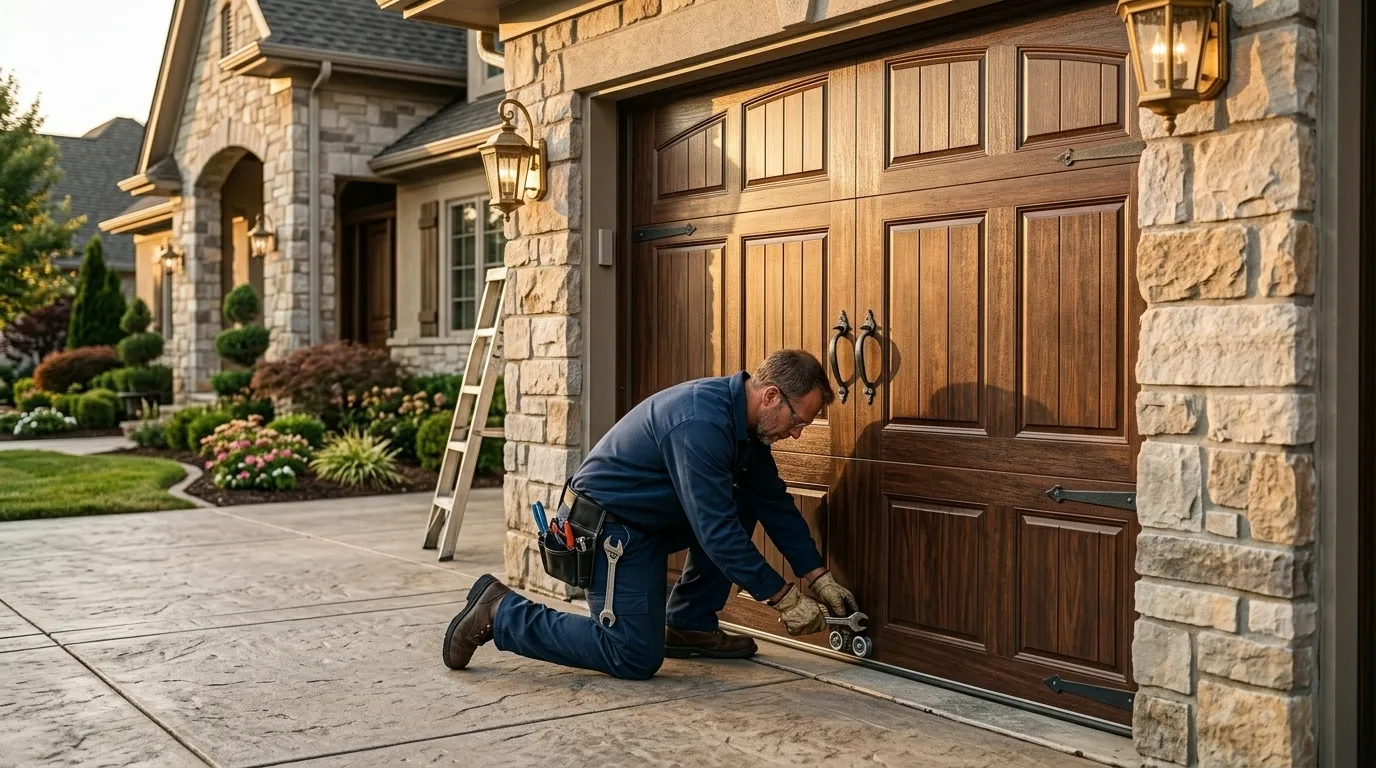
For a 1990s-vintage commercial door we load differently than for an older building. That means torsion springs sized for wider steel sections rather than narrow residential doors, heavier-gauge galvanized track sections to match what's likely already up, and jackshaft or chain-hoist opener parts rather than the belt-drive residential stock. We carry ball-bearing rollers as the standard swap for the nylon rollers common on doors from that era, since they hold up better through repeated daily cycling.
Bottom seal stock and weather astragal are on the truck too, given the cold-moderate climate here puts real demand on that seal over a winter. We don't carry every proprietary opener board on the market - if a building has an unusual commercial control panel, that can mean a return trip once we've confirmed the exact model. That's a genuine limit, not a sales pitch: better to say it now than to promise a same-visit fix we can't back.
How to Book
We work South Hill from our Federal Way base, roughly 13 miles out, so there's no walk-in counter here - every job is scheduled and driven to. Check the South Hill service area page for what we cover in this part of the territory.
If you're after the full list of commercial door services we run - new installs, opener upgrades, preventive maintenance contracts - that's laid out on the Federal Way commercial garage door page, since that's where the service itself is described rather than the town. For South Hill specifically, the useful thing to tell us up front is the building's rough age and whether the door is original - that alone lets us load the right spring size and track hardware before we leave the shop.
What the Fix Involves
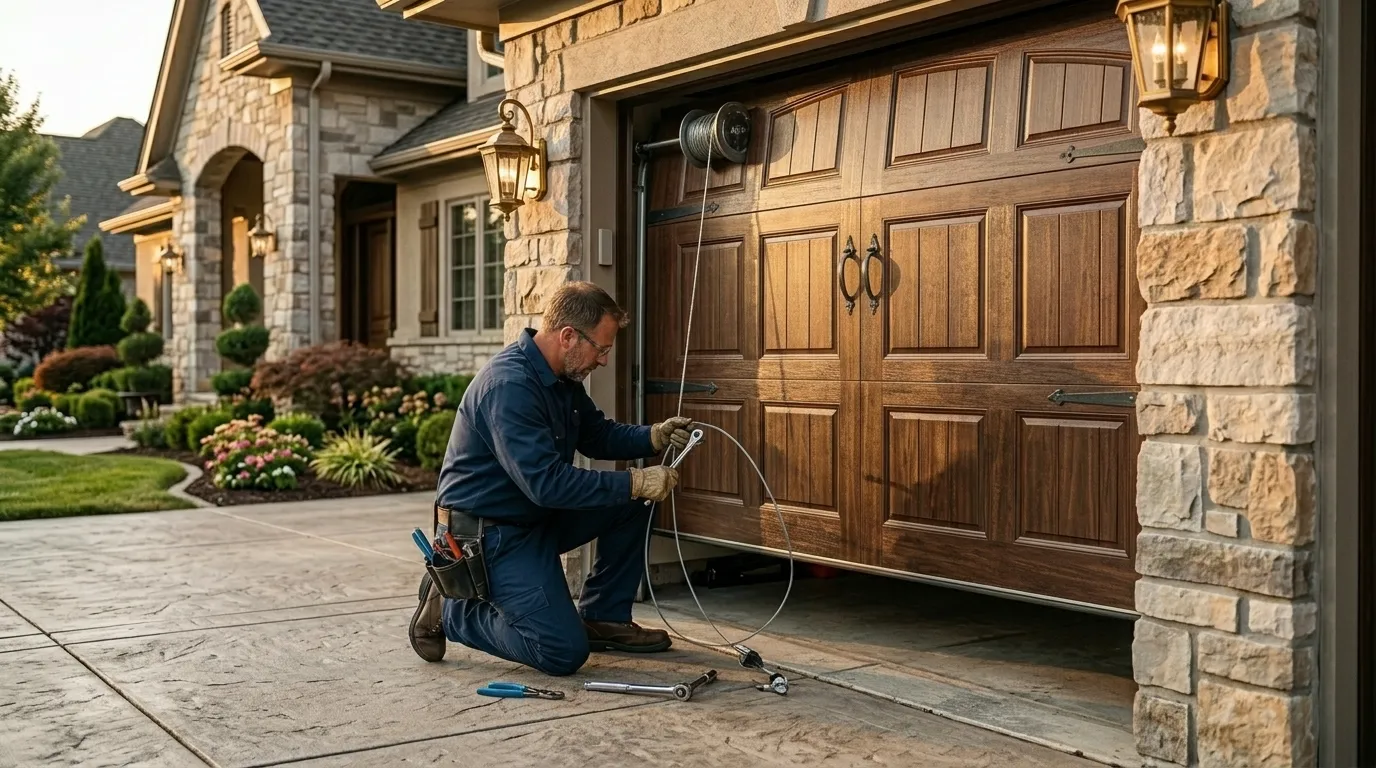
Most calls start with a look at the spring and track before anything else, since on a door this age that's usually where the failure sits. We check torsion spring wind and wire gauge against the door weight - a common issue on 1990s commercial doors is a spring that was correctly sized then but has lost tension over 25-plus years of cycling, especially if the building runs several openings a day. Track alignment gets checked next, since galvanized track from that era can shift slightly at the brackets after years of freeze-thaw movement in a cold-moderate climate.
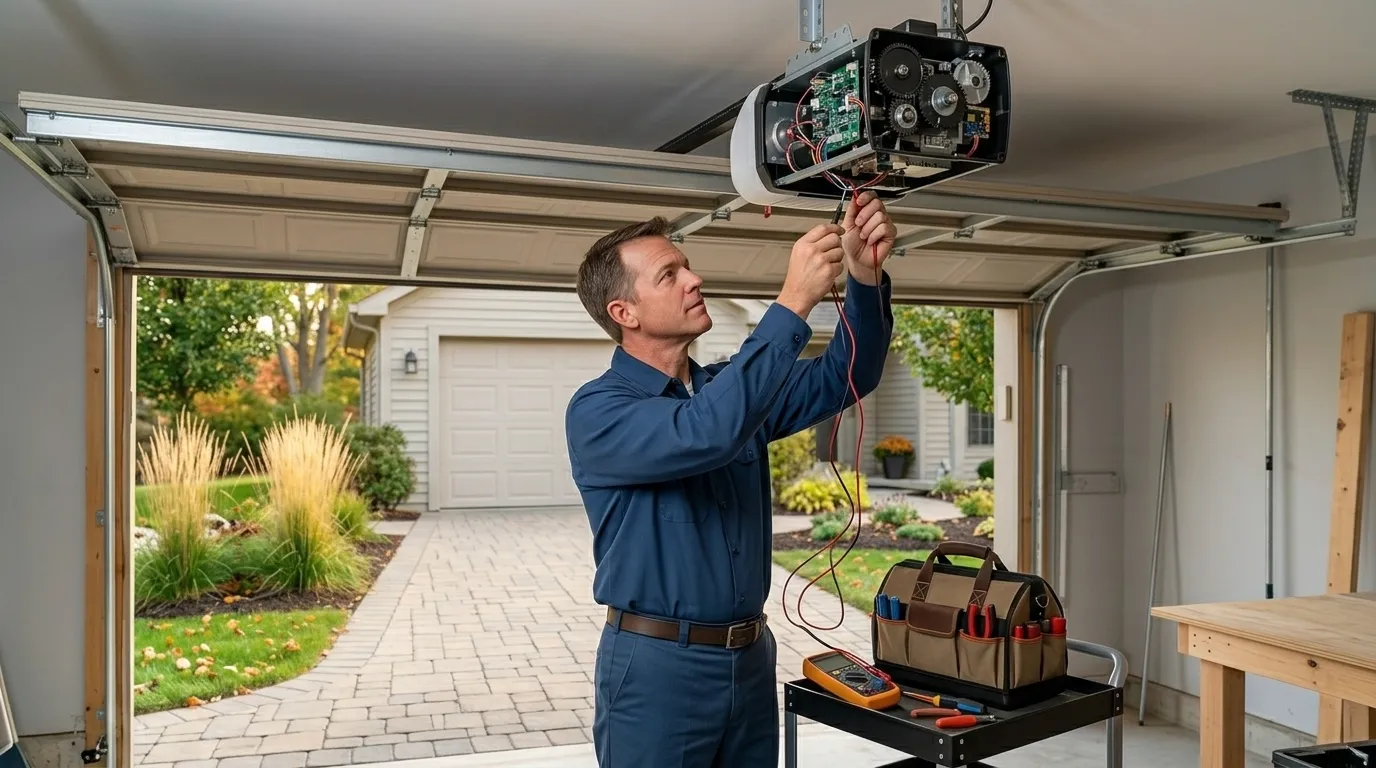
If the opener is original chain-drive, we test the limit switches and travel settings before assuming the motor itself is the problem - a lot of what looks like a dead opener is actually a worn limit switch. We replace what's failed rather than the whole assembly where the rest of the hardware still tests sound; a full replacement only makes sense when the track, springs, and opener are all near end of life at once.
What Can Go Wrong
The honest limitation here: if a building's door predates the 1997 baseline - some do, since 1997 is a median, not a floor - we may find hardware old enough that standard commercial parts don't fit without an adapter kit, and that can mean a second visit to source the right piece. Heavier steel commercial doors also put more load on a spring than a homeowner door, so a spring that looks intact can still be near failure; we won't sign off on a door as fixed just because it opens and closes once on the test cycle.
And because we're driving in from Federal Way rather than working out of a South Hill location, an urgent same-day call depends on the day's schedule - we're not promising a response time we can't back with a local crew. Better to say that plainly than leave you guessing on a business day when the door won't close.
Talk to a South Hill Technician First
Describe what the door is doing and get a straight answer on what it likely needs.
Other Garage Door Services in South Hill
Recent Work in South Hill
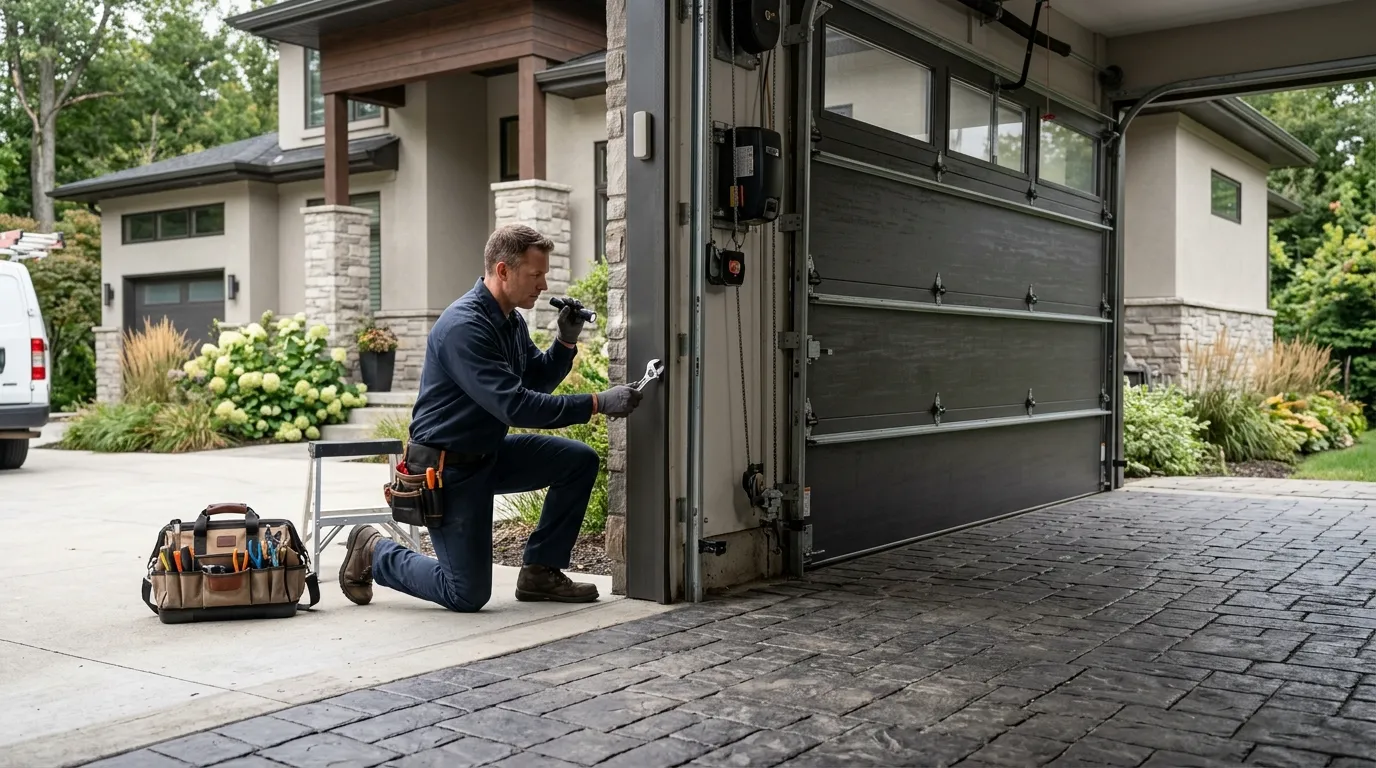
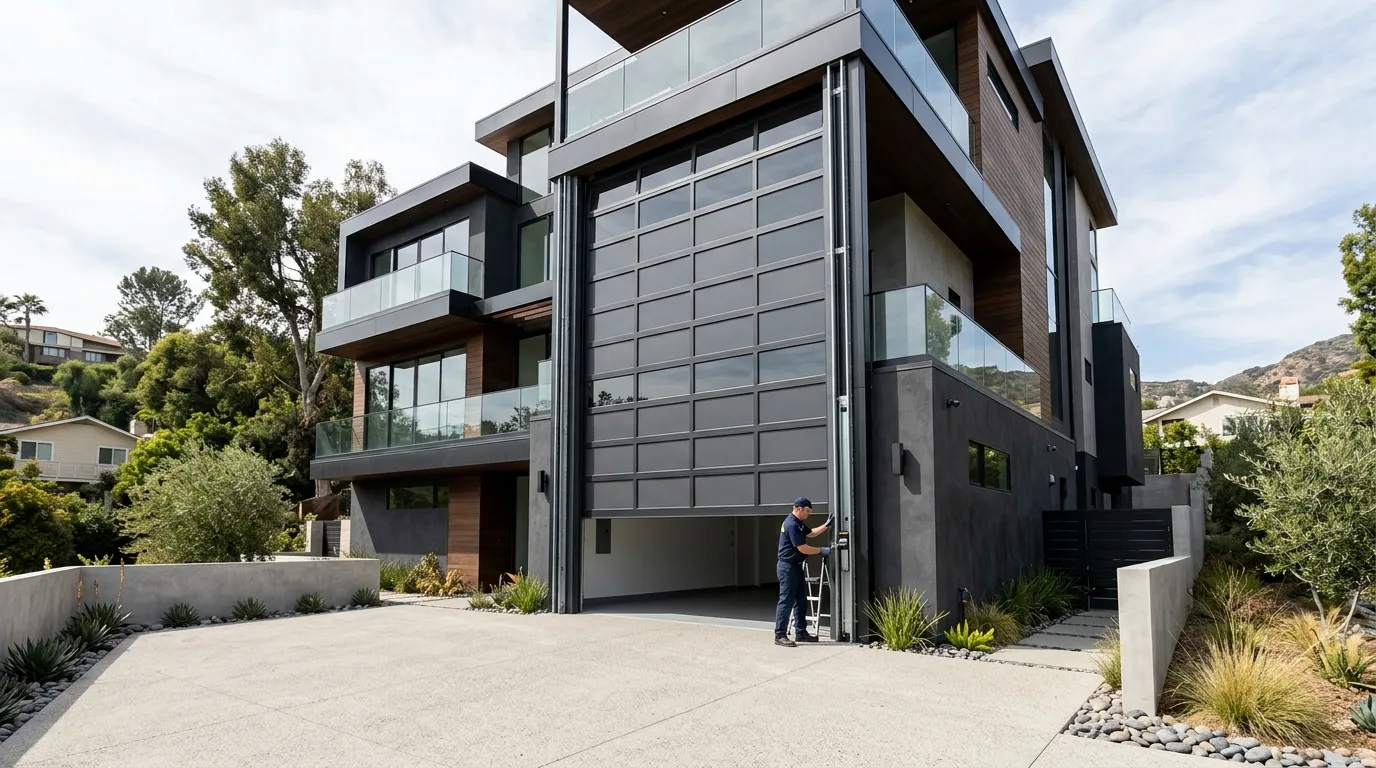
A look at jobs our crew has been on nearby.
Why South Hill Calls Us
Frequently Asked Questions
How far out is South Hill from your shop, and does that affect scheduling?
It's about 13 miles from our Federal Way base. We don't keep a crew stationed in South Hill, so every job is scheduled and driven to rather than walked in. That doesn't change the work itself, but it's worth knowing when you're weighing same-day availability against the day's route.
Why does the age of my building matter for a commercial door repair?
South Hill's building stock clusters around 1997, a decade newer than the wider Federal Way area's median of 1984. Newer stock usually means galvanized track and better steel gauge, but it also means hardware is now hitting the 25-year mark where springs and rollers wear out - different failure pattern than an older building.
Do you carry parts for older commercial doors too?
We load the truck based on what's typical for the building's era, and South Hill runs newer than parts of our territory. If your door predates the local median, or uses an unusual proprietary opener control, we may need a second trip to source the exact part rather than guess and carry the wrong one.
Need Commercial Garage Door in South Hill?
Call now for straight answers on cost and timing.