
Federal Way Garage Door Guide
Replacing a Garage Door in Federal Way
Replacement garage doors for Federal Way homes built 1938-2003 (median 1984), sized for original openings, priced for this area's $108,738 median household income, built for cold winters.
- Licensed & Insured
- Same-Area Service Calls
- Upfront Pricing
Where People Go Wrong
The biggest mistake we see is someone measuring their own rough opening off a tape measure and ordering a door online, assuming a standard size will drop right in. Federal Way housing runs from 1938 through 2003, with the median build year sitting at 1984, and most of it clusters in that 1980s and 90s wave across the 54 named areas that make up this service area.
Doors and jamb framing from that era weren't built to today's standard dimensions the way a 2015 subdivision would be. A door that fits a house in Bonney Lake or Covington built the same decade won't necessarily fit a Federal Way opening framed by a different crew in a different year.
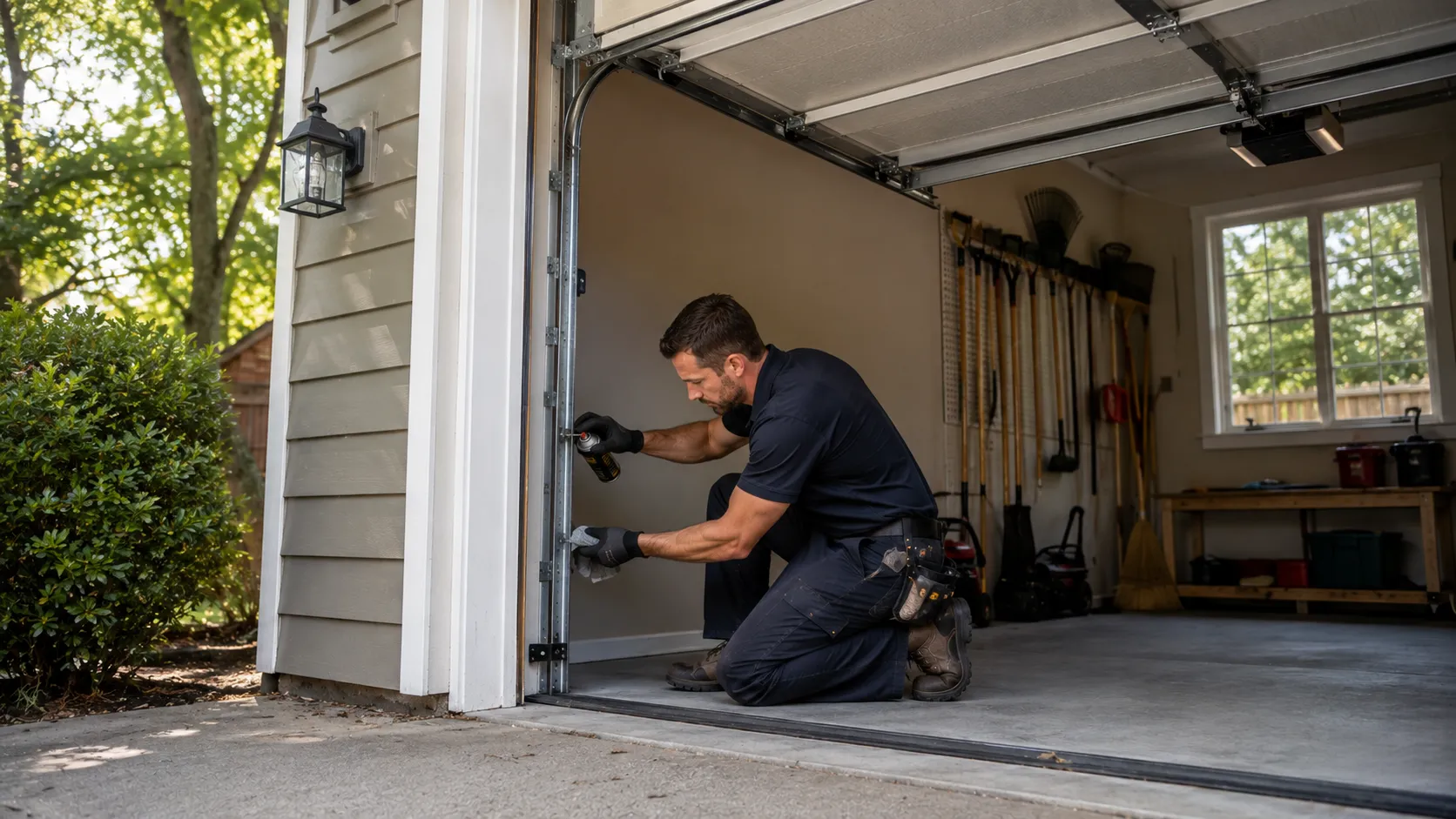
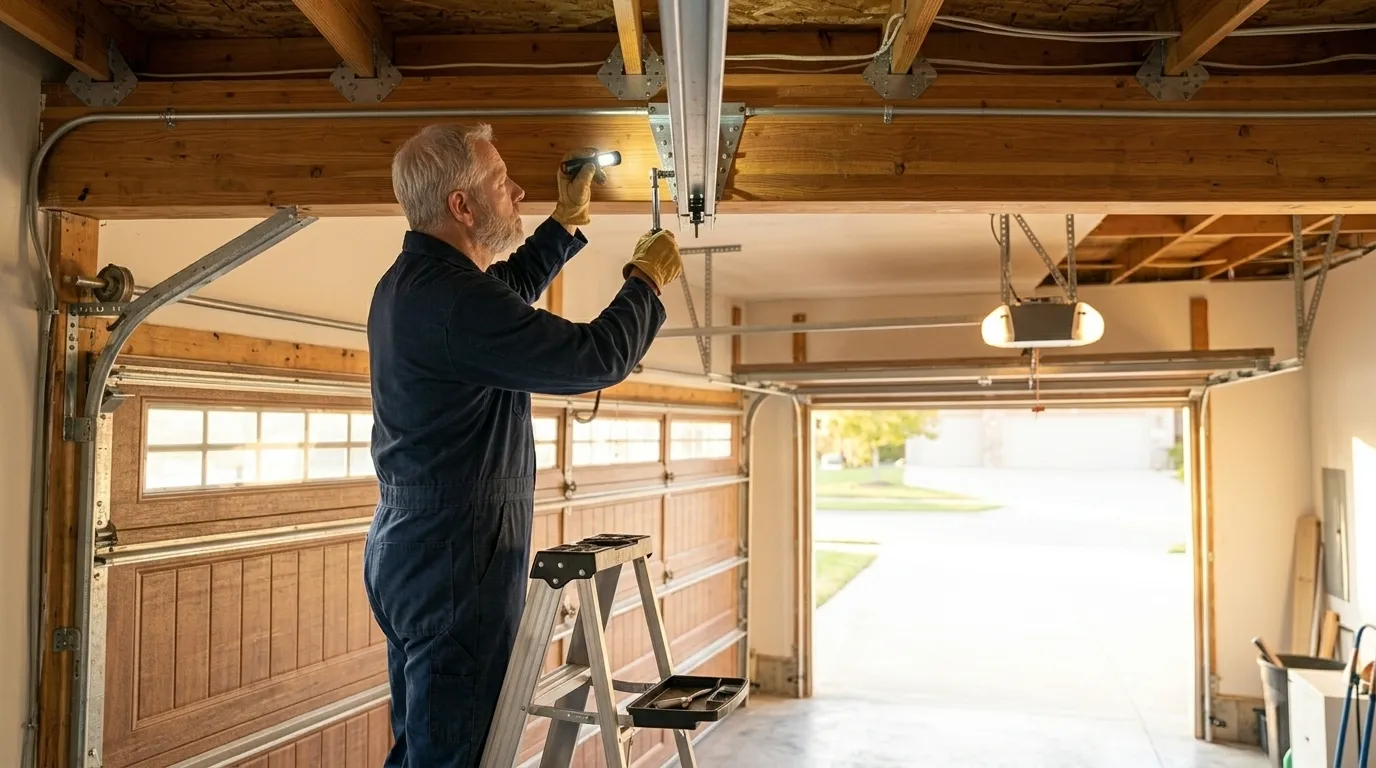
The other error is buying on looks alone and skipping the track and spring hardware that has to match the new door's weight. An older single-layer steel door swapped for a heavier insulated one needs different spring tension, and reusing the old springs is how people end up with a door that won't stay open. We won't pretend every job is simple - if your opening is out of square from decades of settling, a straight swap isn't always possible, and that's worth knowing before you order anything.
What You Pay
We don't post a flat price here because door weight, insulation level, and window options change the number more than anything else, and quoting a figure without seeing your opening would be a guess. What we can say is that Federal Way's median household income sits at $108,738, and most of the doors we install for houses in this range are mid-tier insulated steel - not the bare economy panel, not the high-end wood-look composite. That's the bracket most owners here land in once they weigh upfront cost against a house they plan to keep for years.
If your home was built anywhere near the 1984 median for this area, factor in that the original opening may need extra framing work to take a heavier insulated door, and that's a separate line item from the door itself. We'll tell you upfront if your job needs that extra step rather than quoting you a number that leaves it out.
The Situation
Across the roughly 316,256 households in this service area, about 159,518 are owner-occupied houses, and the housing stock behind those doors is overwhelmingly 1980s and 90s construction spread across 54 named communities from Lakeland North three miles off to Maple Valley fifteen miles out. That means when we're called out to replace a door, we're usually working with an opening and header framed sometime in that 20-year window, not a brand-new build with modern rough-opening standards.
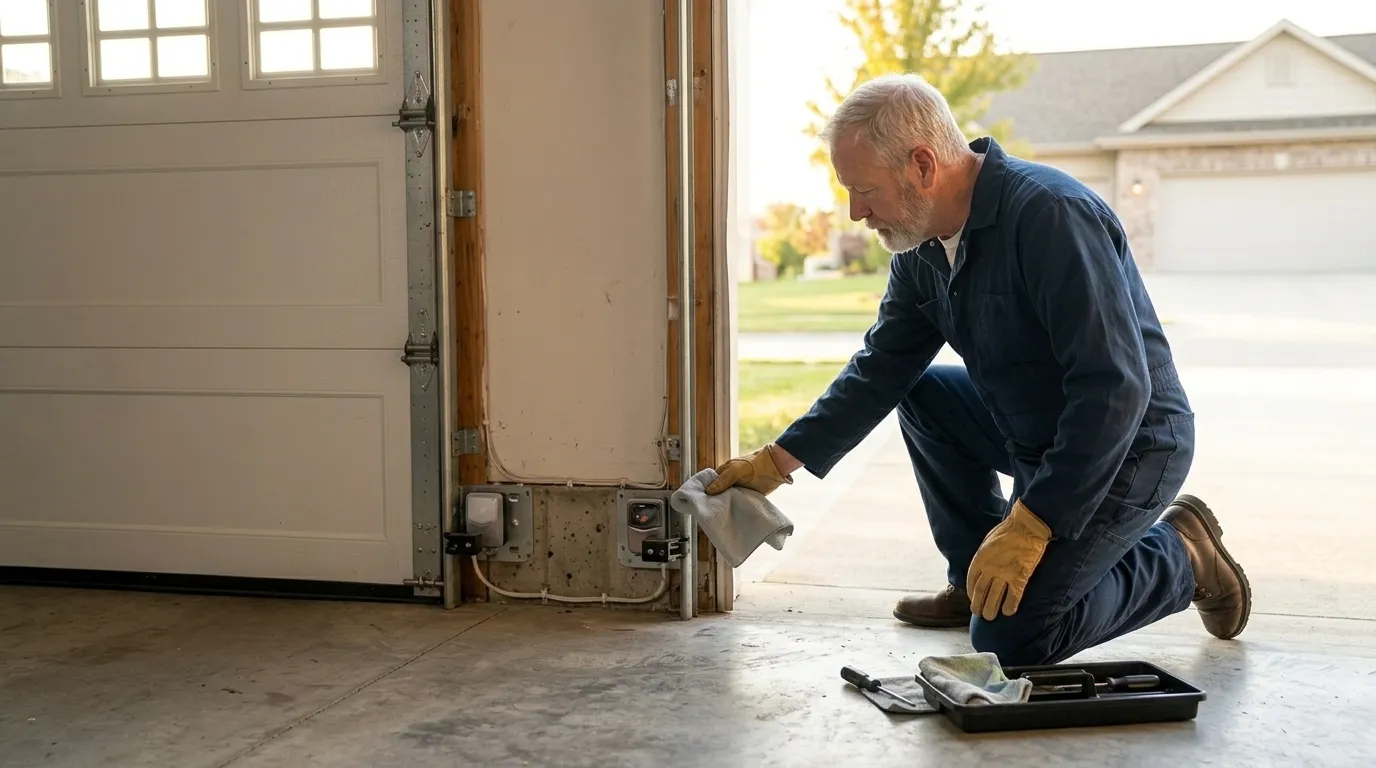
A door bought for a house near Fife or Edgewood, built in that same stretch, can still differ in exact opening height from one built the same year in Federal Way proper, because framing crews varied by builder even within the same decade. That's why we measure the actual opening rather than trusting the age of the house alone to tell us what will fit.
What the Weather Here Does to It
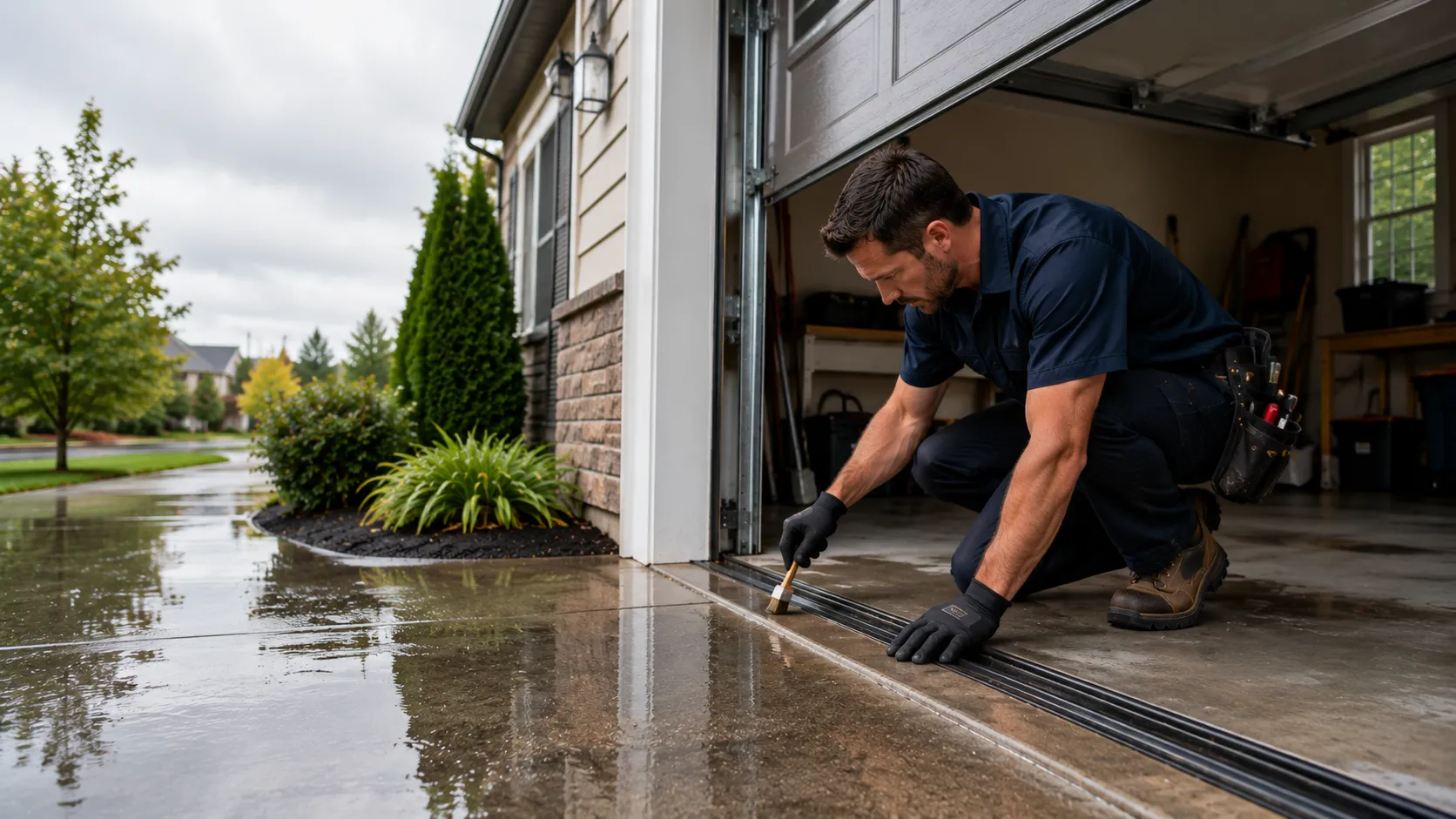
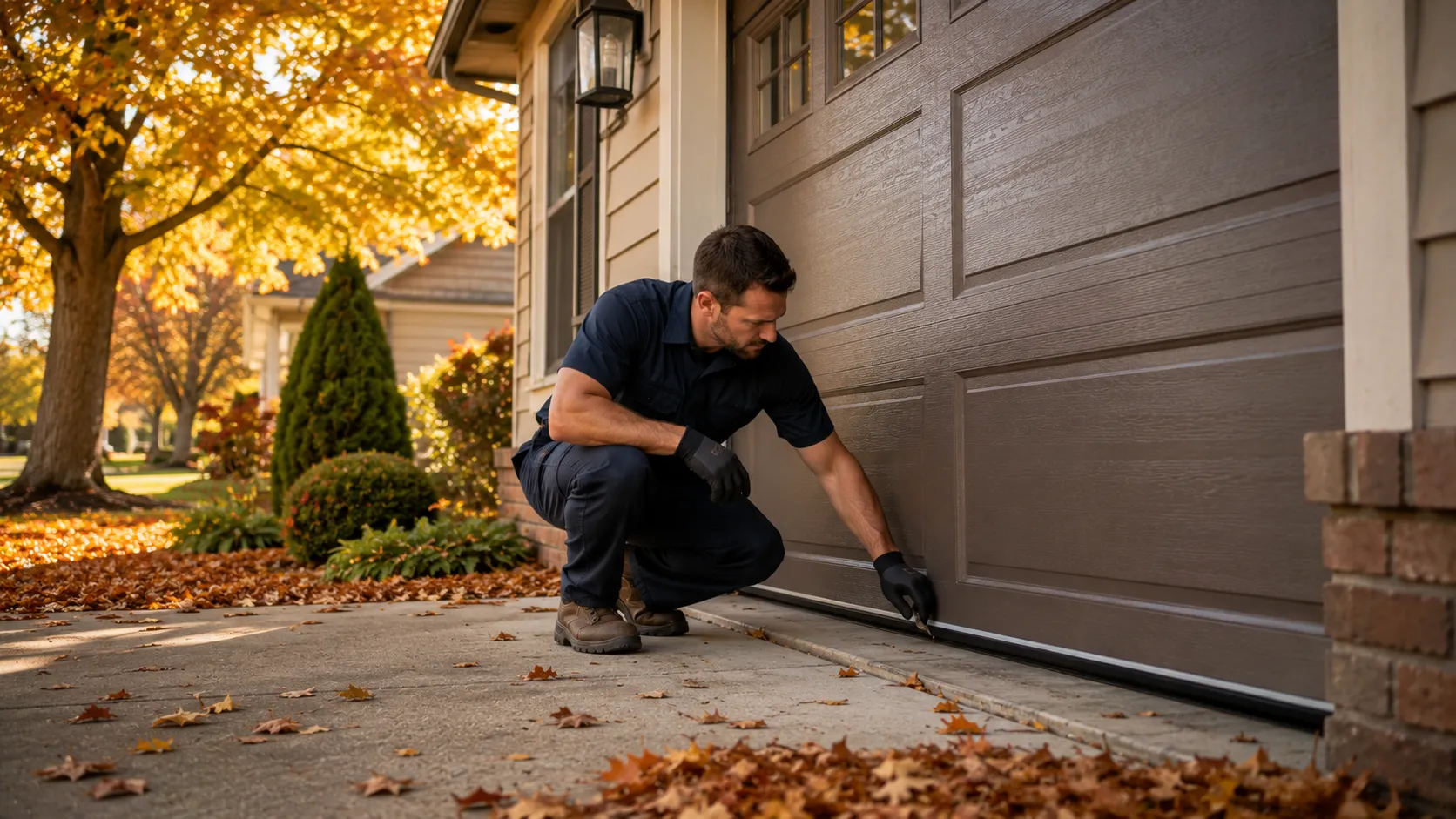
This area sits in a cold, moderate climate band - not brutal winters, but enough sustained cold and damp to matter for a door built in the 1980s or 90s. Steel doors from that era typically shipped with thinner weatherstripping than what's standard now, and after three or four decades that seal has usually compressed flat. On a house with a median build year of 1984, that's forty-plus years of seasonal expansion and contraction on the same gasket.
Cold also thickens grease in old rollers and hardens the nylon bushings on original track hangers, so a door that was fine in August starts binding or groaning once the temperature drops. We see this most on the original one-piece and early sectional doors still hanging on houses from that 1938-2003 build range - the hardware wasn't designed to be maintenance-free for this many winters, and at some point the honest answer is that a worn track and seal on a 40-year-old door cost more to keep patching than a new door costs to install.
How We Can Help
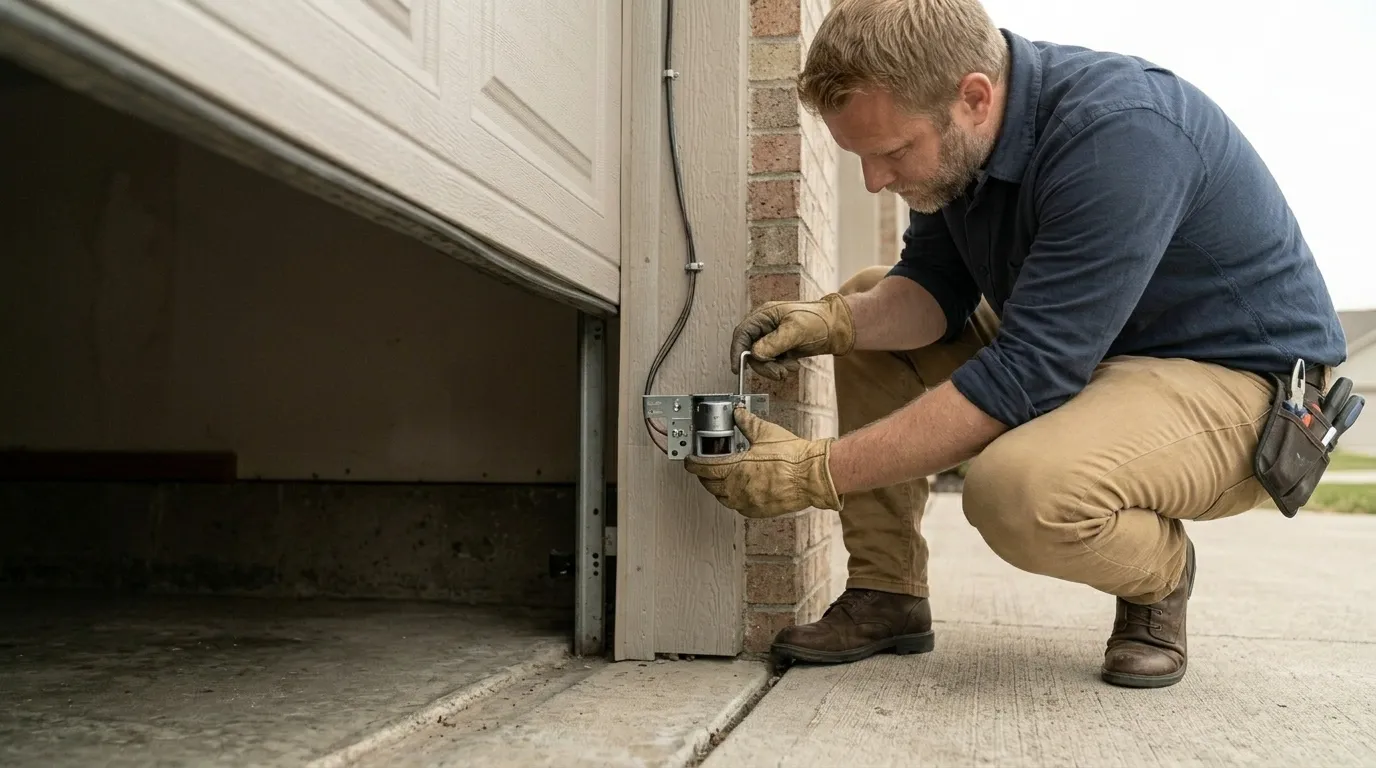
Garage Door Repair
Springs, cables, tracks, rollers, and openers fixed by a tech who explains the problem before touching anything.
Learn more →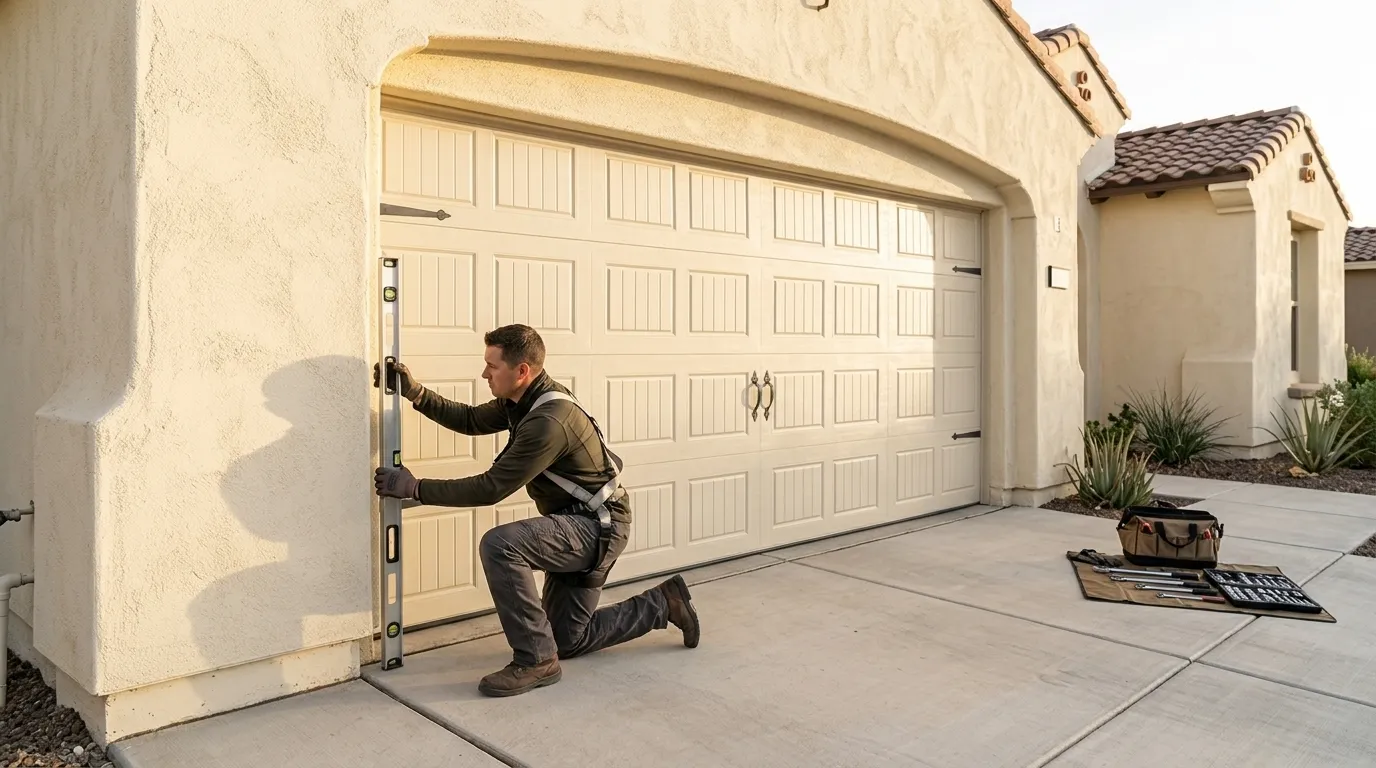
Garage Door Installation
New sectional doors sized and installed for the housing stock actually built in this area.
Learn more →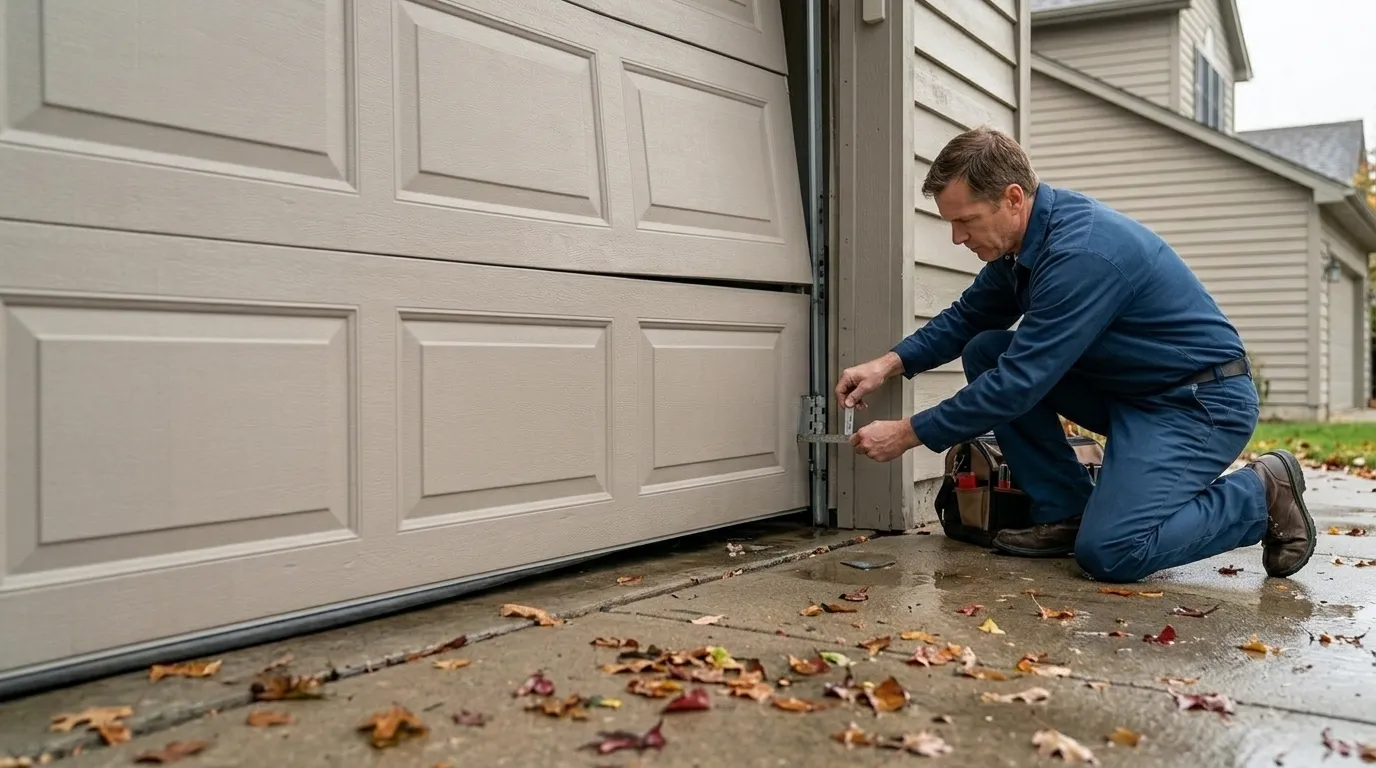
Garage Door Service
Tune-ups, lubrication, and safety checks that catch a small problem before it becomes a service call.
Learn more →Frequently Asked Questions
Will a standard-size door fit my Federal Way house from the 1980s?
Sometimes, but not always. Houses built in that window across this area vary in exact opening dimensions by builder, so we measure your actual rough opening rather than assuming a standard size will match a house from the 1984 median build year.
Why does my old door stick more in winter?
This area sits in a cold, moderate climate band, and decades-old weatherstripping and roller hardware from 1980s and 90s construction don't handle that seasonal cold the way they did when new. Stiff grease and a flattened seal are common causes on original hardware this age.
Is it worth repairing an old door instead of replacing it?
Depends on what's failing. A worn seal or a roller swap is often worth fixing. A door with cracked panels and hardened original hardware from a house built decades ago usually costs more to keep patching than to replace outright.
Does the door price change based on my house's age?
Not directly, but an older opening built anywhere in the 1938-2003 range for this area sometimes needs extra framing work to fit a new insulated door, which is a separate cost from the door itself. We flag that during measurement, not after.
Have a Door That Needs a Second Opinion?
Call and describe what it is doing - we will tell you what it likely is.