
Federal Way Garage Door Guide
When the Power Goes Out, Your Opener Age Matters
Most Federal Way houses date to the 1980s and 90s, which means openers built before battery backup was standard. Here's what that means when the power drops.
- Licensed & Insured
- Same-Area Service Calls
- Upfront Pricing
Where People Go Wrong
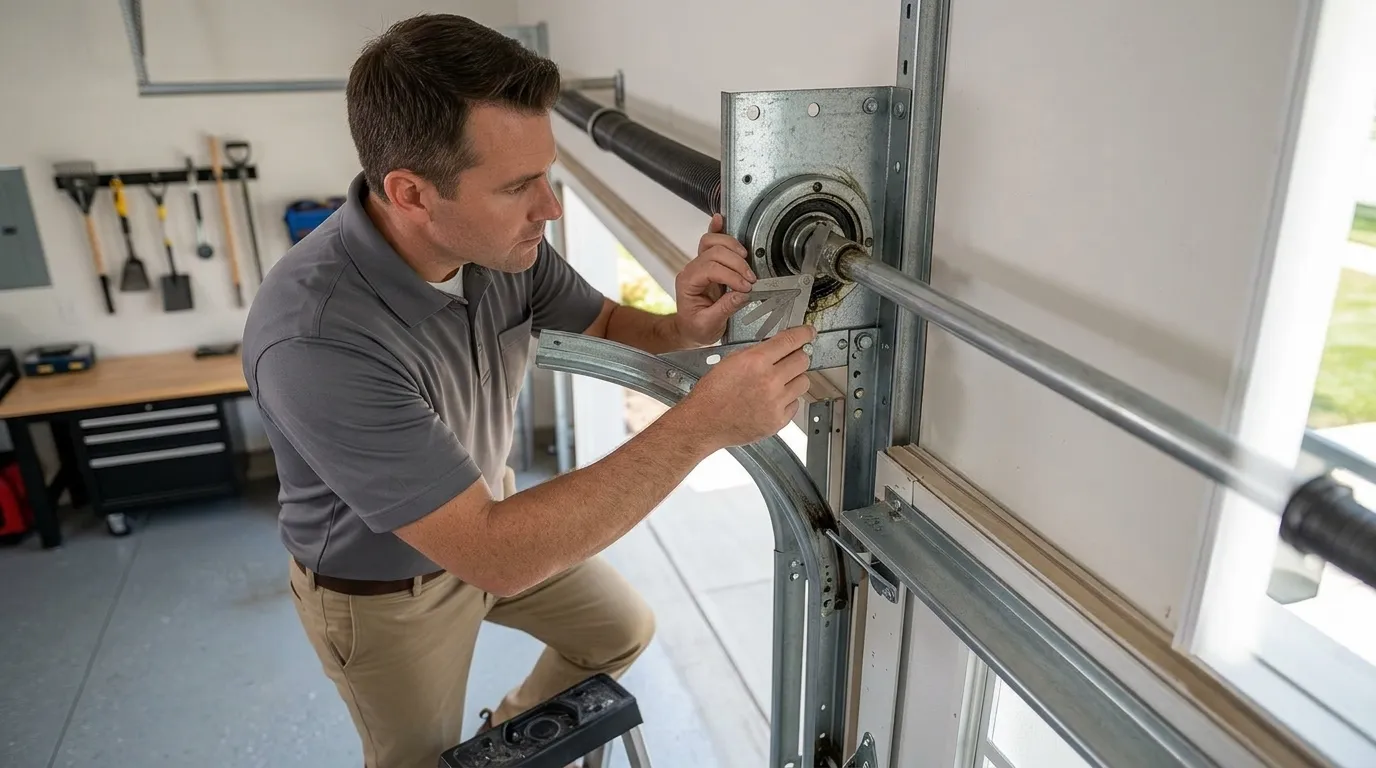
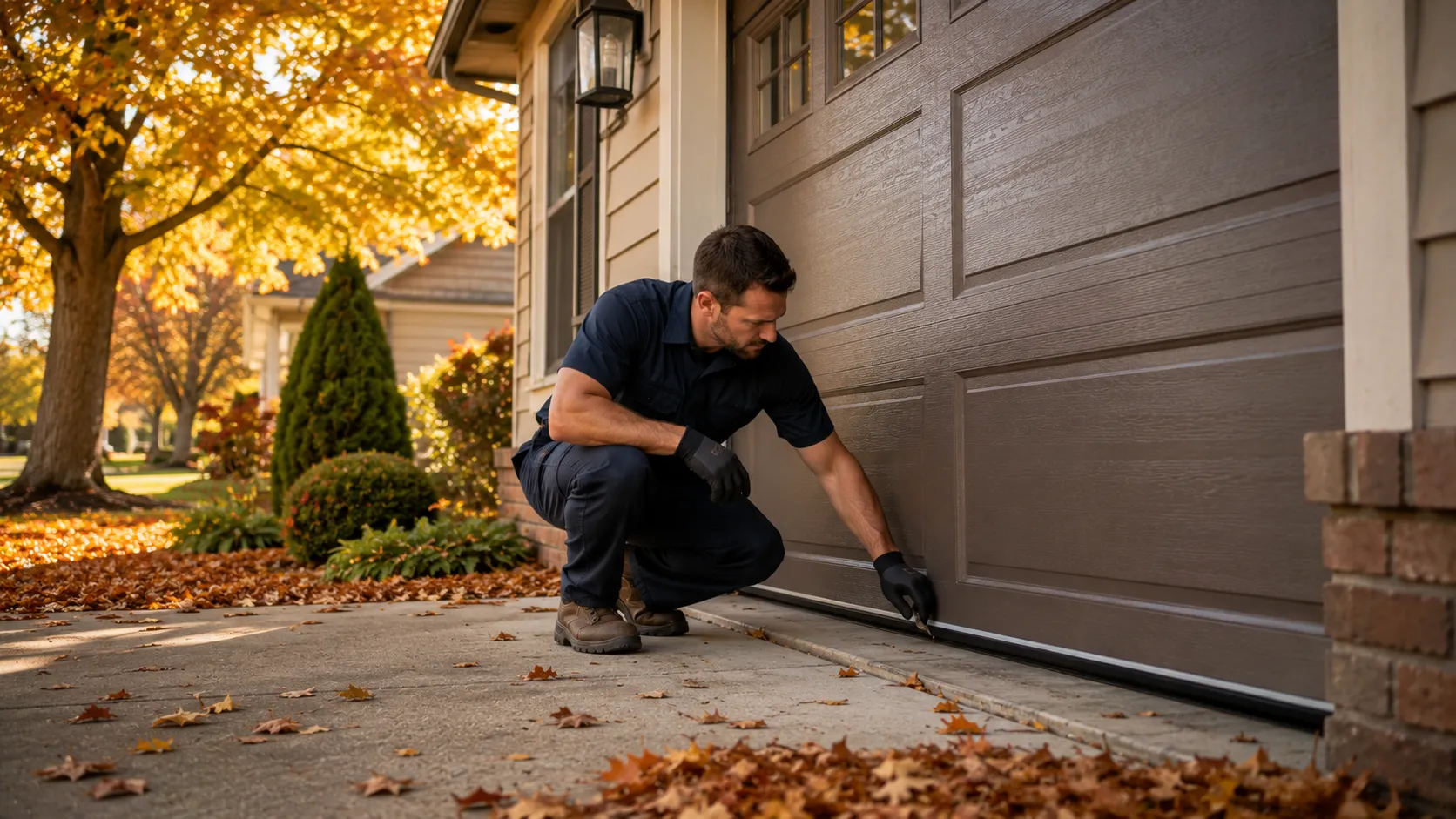
The mistake we see most in Federal Way is homeowners assuming their opener has a battery backup because newer models do. It probably doesn't. Housing in this service area was built mostly between 1938 and 2003, with the median landing at 1984, and the bulk of the stock across the 54 named areas we cover dates to the 1980s and 90s.
Openers installed with those houses, or replaced once in the decades since on a like-for-like basis, are chain-drive units wired straight to house power with no battery cell inside. When the power cuts, the door doesn't move, and there's no manual release most people can find in the dark on their first try.
The second mistake is waiting until a power cut to find the manual release cord. It's usually a red handle hanging from the trolley, and it disconnects the opener so you can lift the door by hand.
If you've never pulled it, the first time shouldn't be during a blackout with your car half in the driveway. Test it once when nothing's wrong, so you know it works and know where it is.
What You Pay
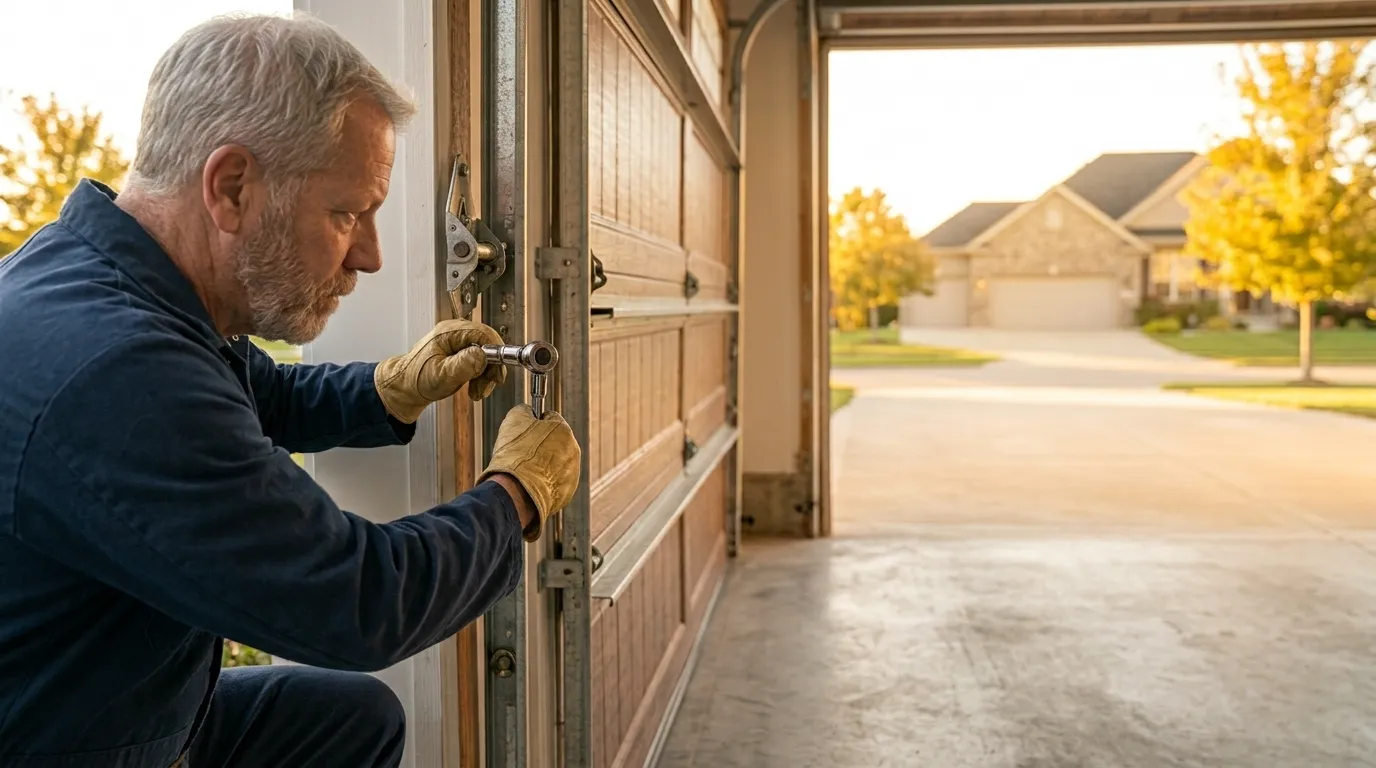
We don't have a flat number to put here, and giving you one without seeing the opener would be a guess dressed up as a quote. What drives the cost is mostly the opener's age and drive type: a straight swap for a comparable chain-drive unit is a different job than adding battery backup capability to a system that was never built for it. Federal Way's median household income sits at $108,738 across the service area, and most jobs we quote land in a range that reflects a household budget at that level, but the actual number depends on what's on your ceiling now.
One honest limitation: if your opener is old enough that the circuit board is no longer made, we're not going to pretend we can source an exact replacement part. At that point the real fix is a new opener, not a repair, and we'll tell you that upfront instead of billing you for a diagnostic that ends the same way.
The Situation
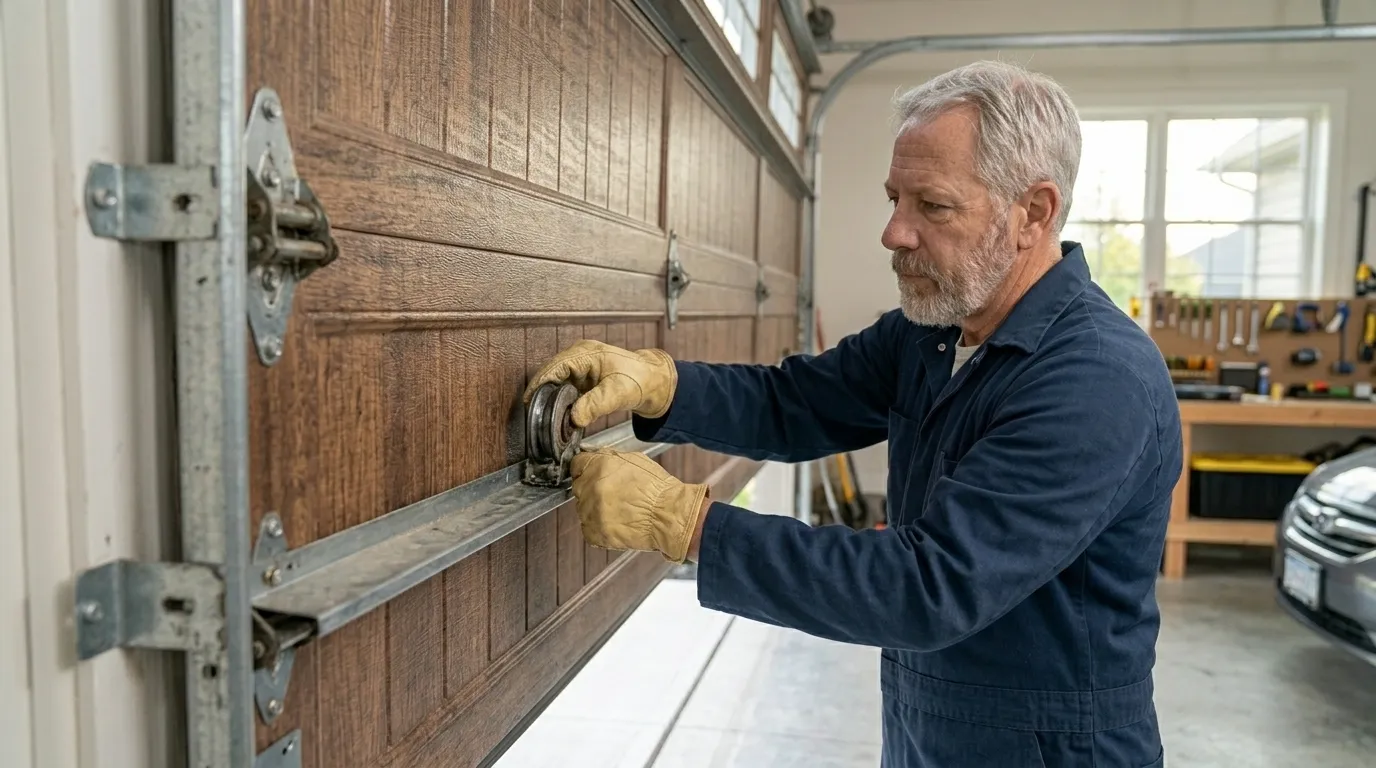
Across the service area - 316,256 households, 159,518 of them owner-occupied - the garage door opener sitting in most of those houses was installed when the house was built or on a first replacement cycle sometime in the 1990s or 2000s. That's before battery backup became a common feature on mid-range openers, and long before it was standard. So the situation in a lot of Federal Way garages is the same: a working chain-drive opener, no backup power, and a door that becomes dead weight the moment the grid goes down.
This isn't unique to one street or one builder - it's the age of the stock itself. Neighboring areas like Lakeland North, three miles south, and Milton, four miles out, sit on similar-era housing, so the same opener-age problem shows up there too. It's a function of when this part of King County built out, not a defect in any one house.
What the Weather Here Does to It
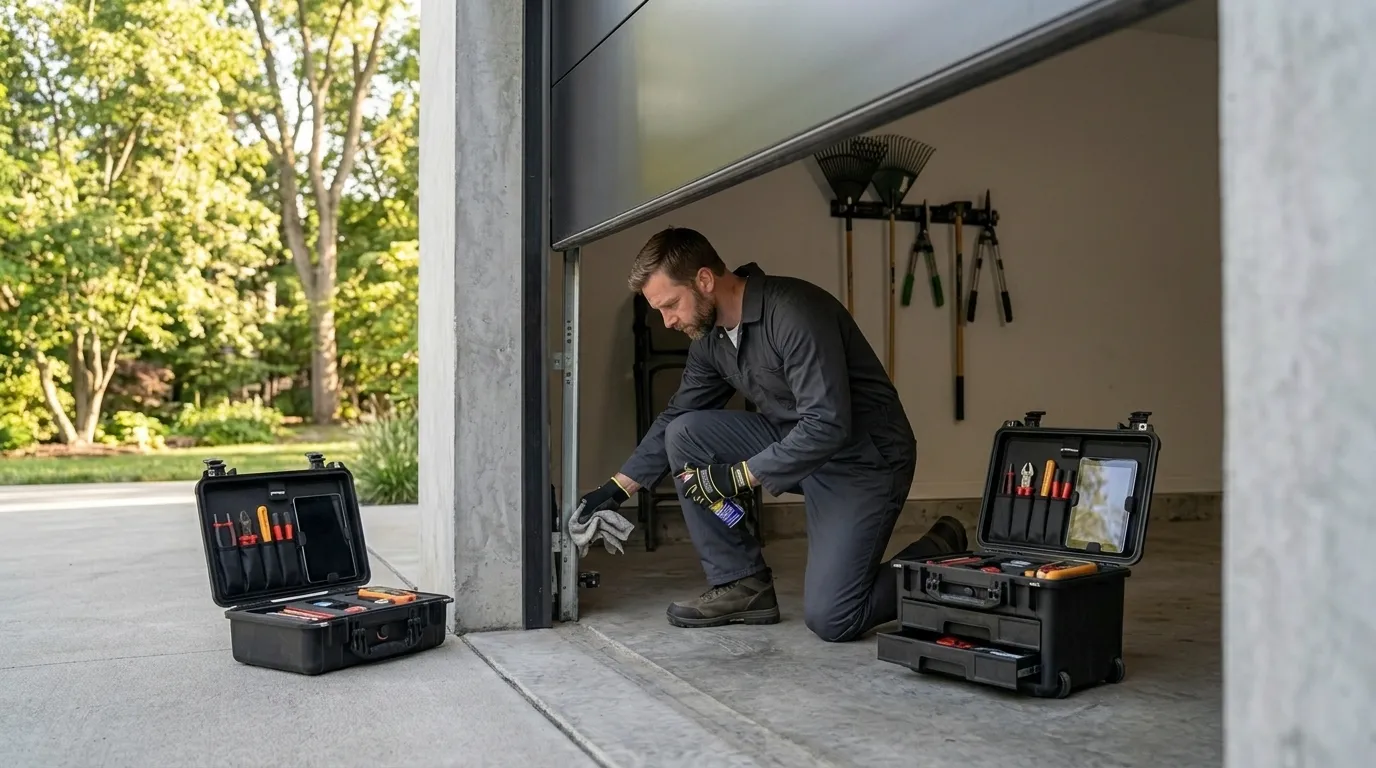
Federal Way sits in a cold-moderate climate band, which doesn't mean brutal winters, but it does mean sustained cold snaps that thicken grease in an opener's gear housing and stiffen the rubber grommets on trolley carriages. Combine that with a power cut on the same cold night - which is when outages are more likely to happen here - and you get an opener that wouldn't have moved smoothly even with power, plus a door you now have to lift by hand while it's stiff and heavier than usual in the cold.
Spring tension changes with temperature too. A torsion spring calibrated for a 60-degree garage behaves differently at freezing, and manually lifting a door with a spring that's under-tensioned for the cold is harder and slightly riskier than lifting the same door in July. None of this means panic - it means the manual release drill matters more here in January than it does in a warmer band, and it's worth knowing before you need it.
How We Can Help
Garage Door Repair
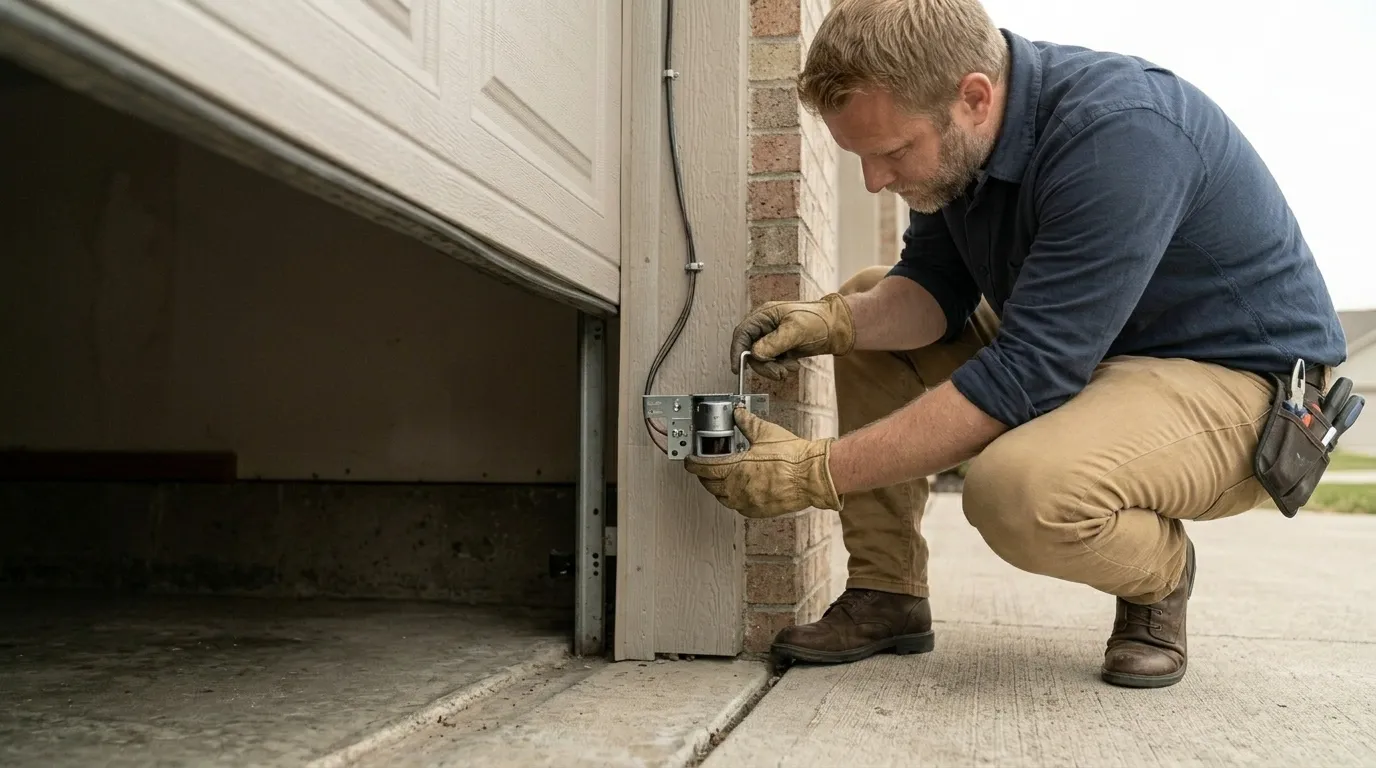
Springs, cables, tracks, rollers, and openers fixed by a tech who explains the problem before touching anything.
Learn more →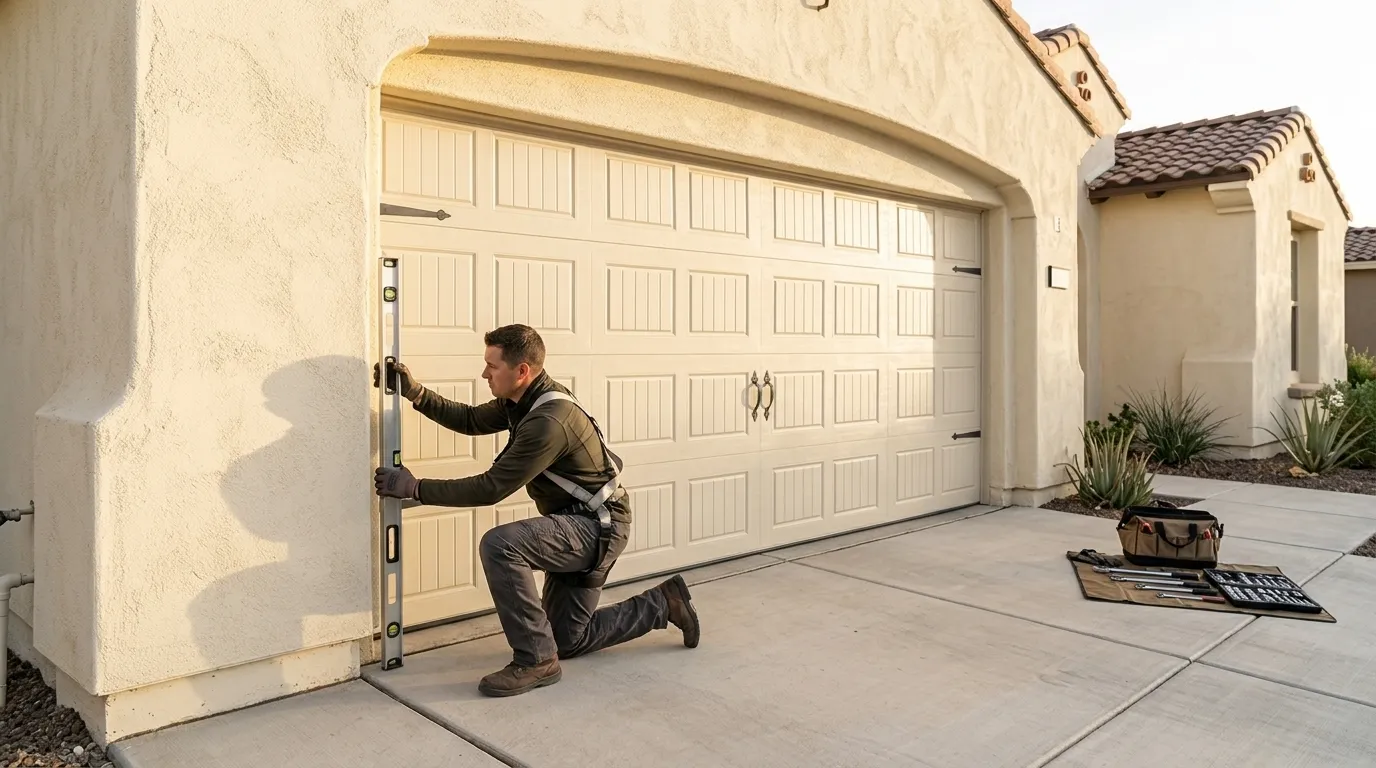
Garage Door Installation
New sectional doors sized and installed for the housing stock actually built in this area.
Learn more →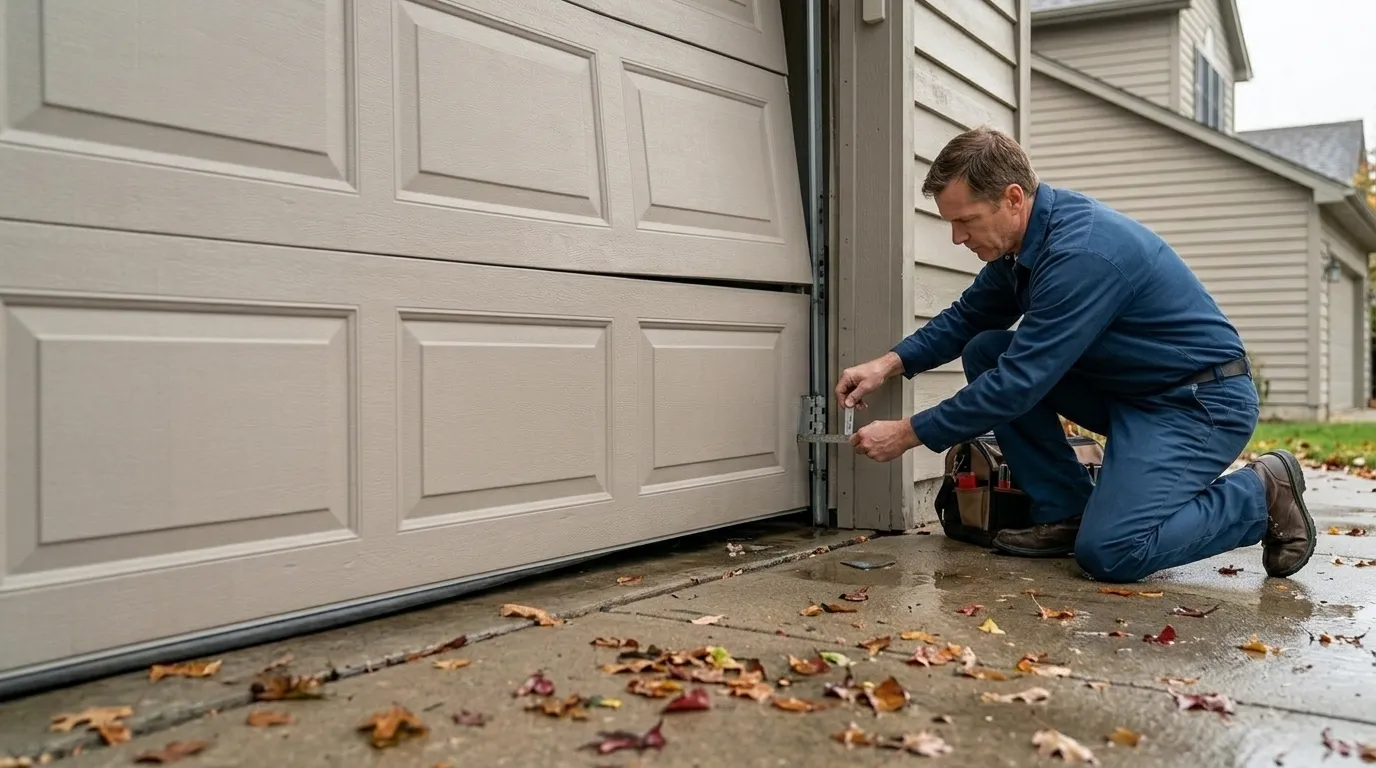
Garage Door Service
Tune-ups, lubrication, and safety checks that catch a small problem before it becomes a service call.
Learn more →Frequently Asked Questions
Does my garage door opener have a battery backup?
If your house or opener dates to the 1980s or 90s, which covers most of the Federal Way service area's stock, probably not. Battery backup wasn't a common feature until later. Check the opener housing for a battery compartment near the motor unit - if there isn't one, a power cut means no opener function until power returns.
Can I lift my garage door by hand during a power cut?
Yes, once you've pulled the manual release cord - usually a red handle hanging from the trolley on the ceiling track. This disconnects the opener so the door lifts manually. In cold weather the spring tension and door weight both feel different, so it takes more effort than in summer.
Is it worth adding battery backup to an older opener?
Sometimes, but not always. It depends on the opener's age and whether a backup module is even made for that model. If the unit is old enough that parts are scarce, replacing the whole opener is often the more practical route rather than retrofitting one piece.
Have a Door That Needs a Second Opinion?
Call and describe what it is doing - we will tell you what it likely is.