
Service
Garage Door Service for Federal Way's 1980s-Era Housing Stock
Federal Way homes built between 1938 and 2003 carry original hardware that wears differently than newer builds. Here's what that means for your door and your wallet.
- Licensed & Insured
- Same-Area Service Calls
- Upfront Pricing
How It Shows Up
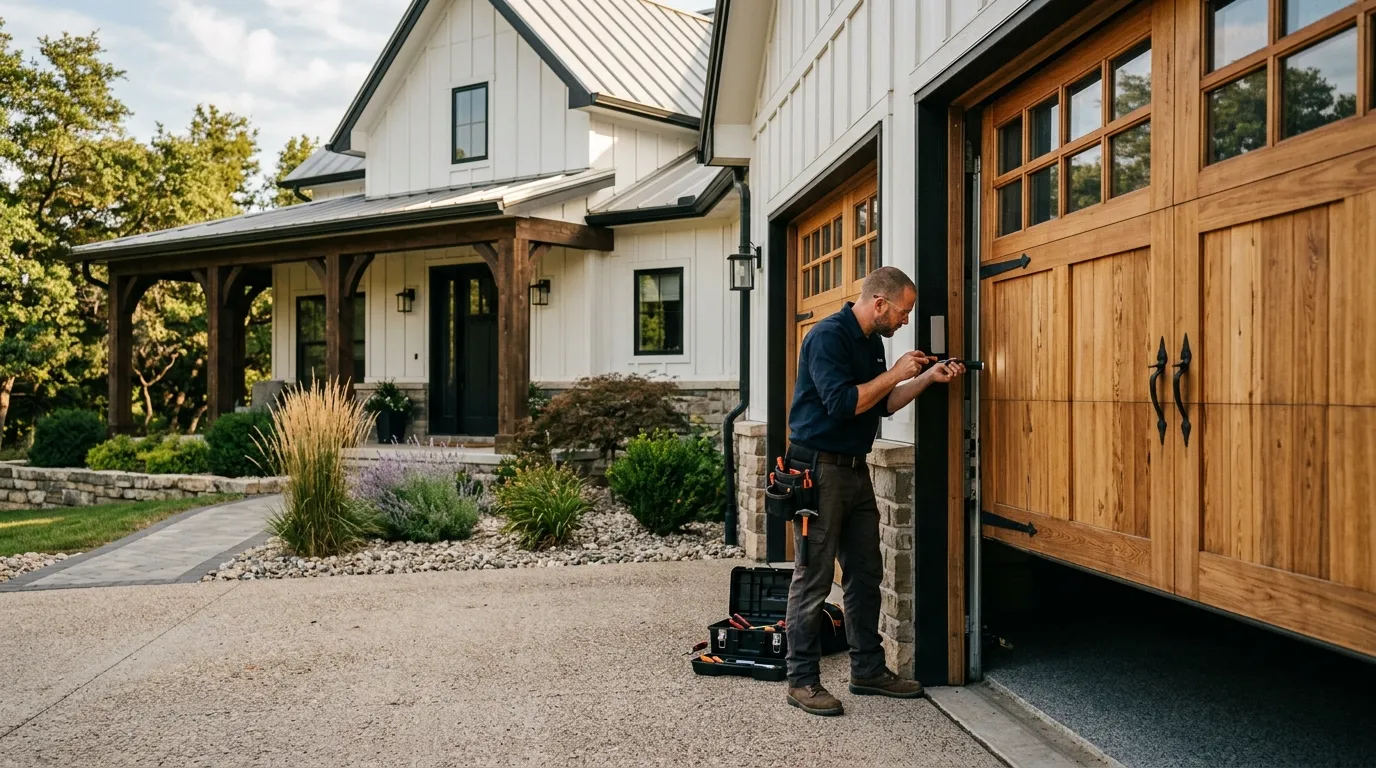
Most calls we get start the same way: the door hesitates, jerks, or stalls a few inches up. In Federal Way, that's rarely random.
The median house here was built in 1984, and a huge share of the stock across the area's 54 named neighborhoods dates from the 1980s and 90s. That means original torsion springs, steel rollers, and openers that were never swapped out because nothing seemed broken until now.
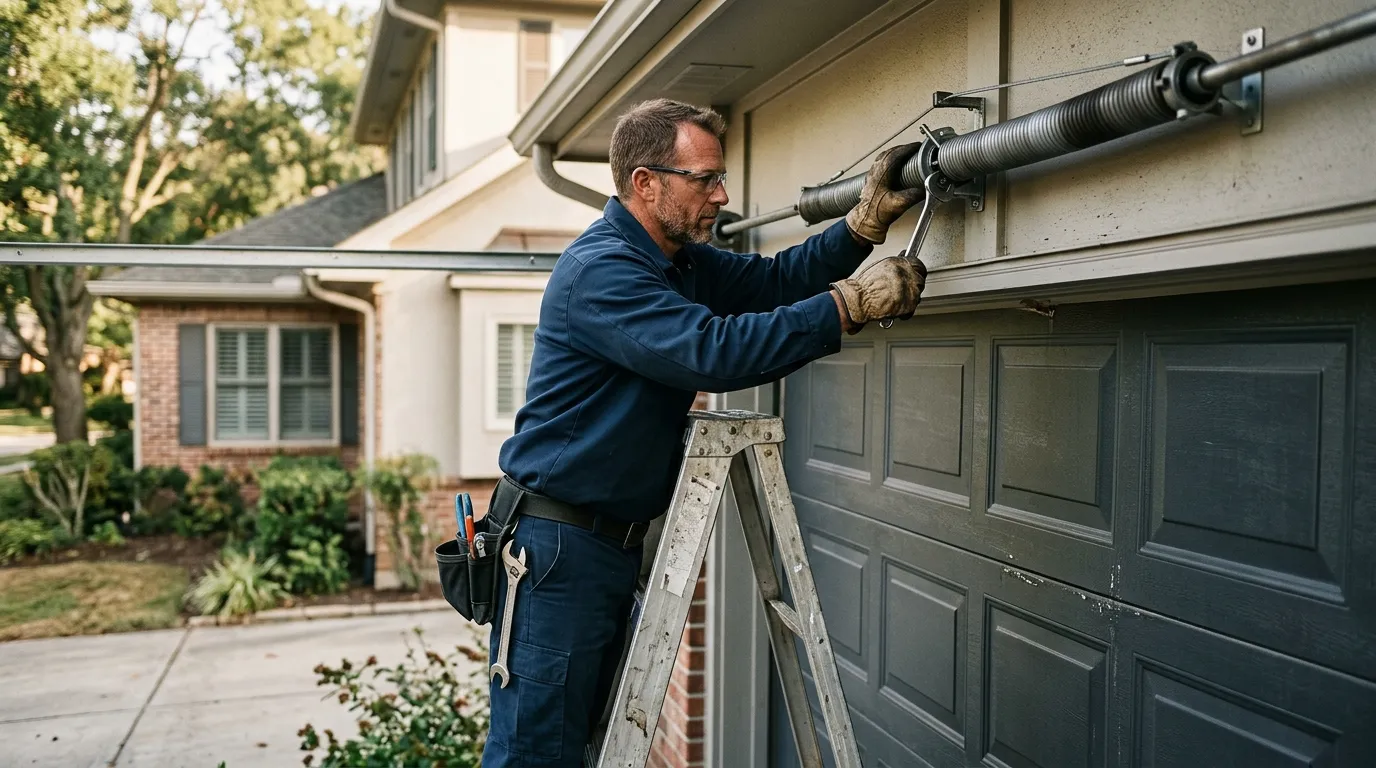
On houses from that build era, the failure pattern is consistent: the spring finally gives out after three-plus decades of daily cycles, or the opener's drive gear strips because it was never lubricated past the first few years. Owners in newer construction west toward Northeast Tacoma sometimes see different issues - nylon rollers cracking early, lighter-gauge tracks bending - but that's a different housing generation than most of Federal Way proper.
If your door reverses right after it starts closing, that's almost always a sensor or a bent track, not the spring. If it won't budge at all and the springs look stretched apart at the top, that's the spring, and it's not a DIY fix - torsion springs under load can break fingers or worse.
What You Pay
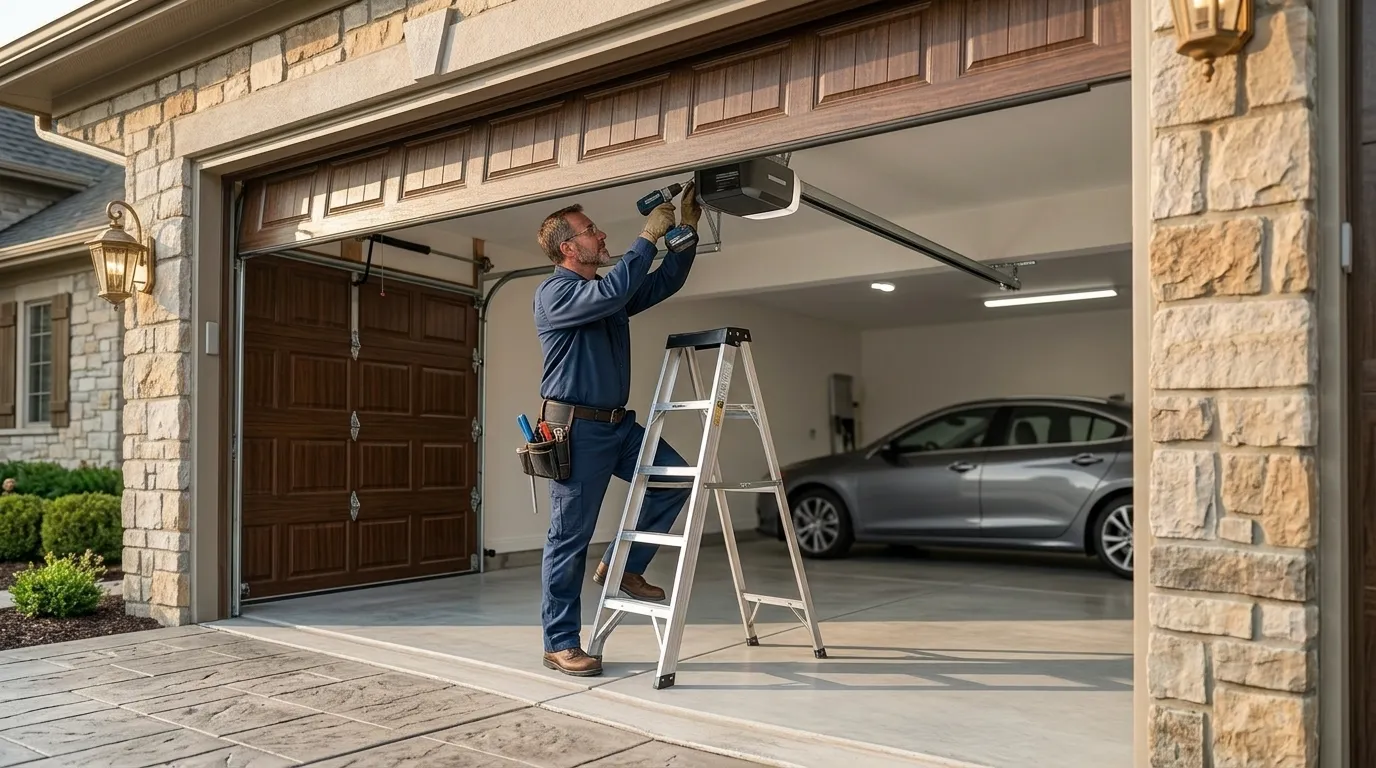
We don't have a fixed price to quote you here without seeing the door - torsion spring size, opener model, and whether the track needs correcting all move the number. What we can tell you is that Federal Way's household income sits at a median of $108,738, and most of the repair work we see reflects a homeowner fixing a 20-to-30-year-old system rather than replacing it outright, which is the cheaper path when the door itself and the track are still square.
We'll always tell you when a repair isn't worth it. If the door panels are original from a 1984-built house and the bottom panel has rusted through or the track is bent beyond adjustment, patching the spring and calling it done just means another call in a year. We'd rather tell you that up front than sell you a repair that won't hold.
What Is on the Truck
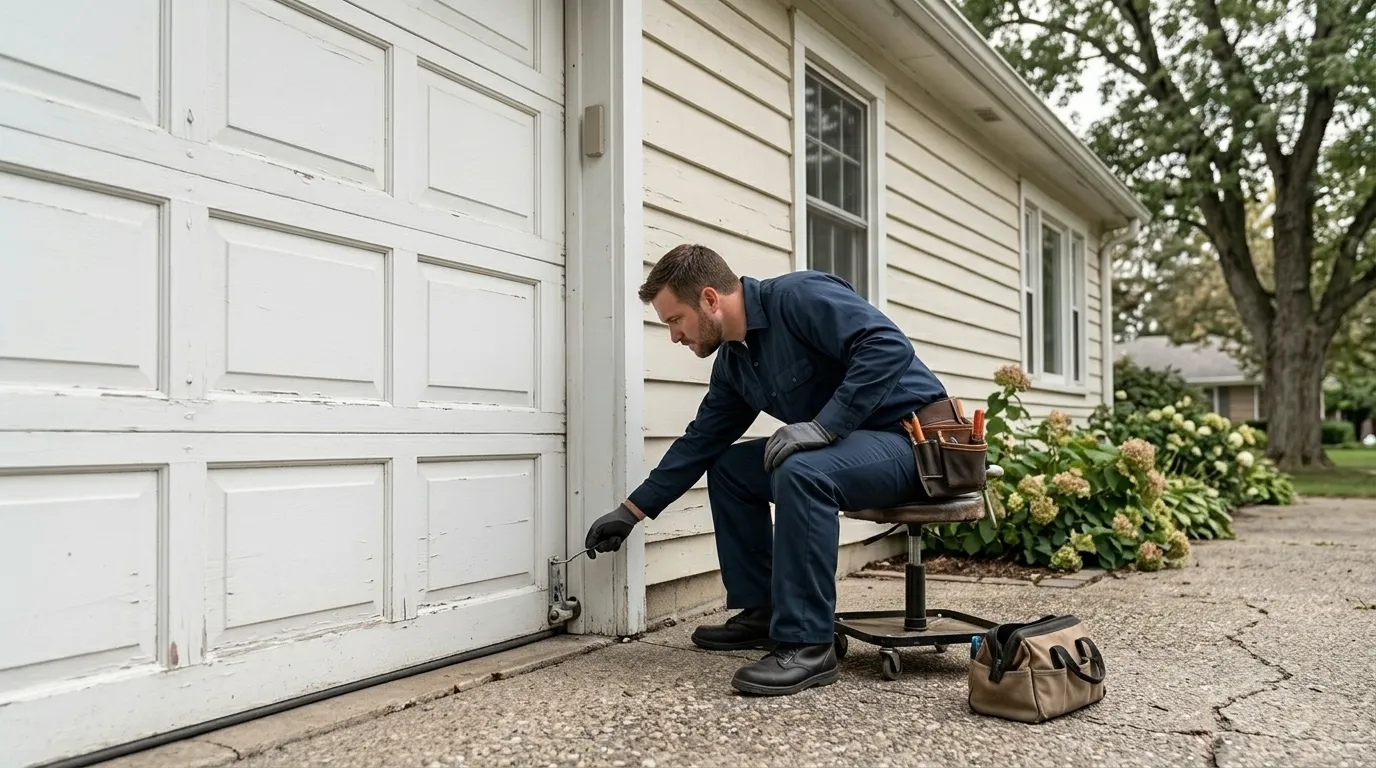
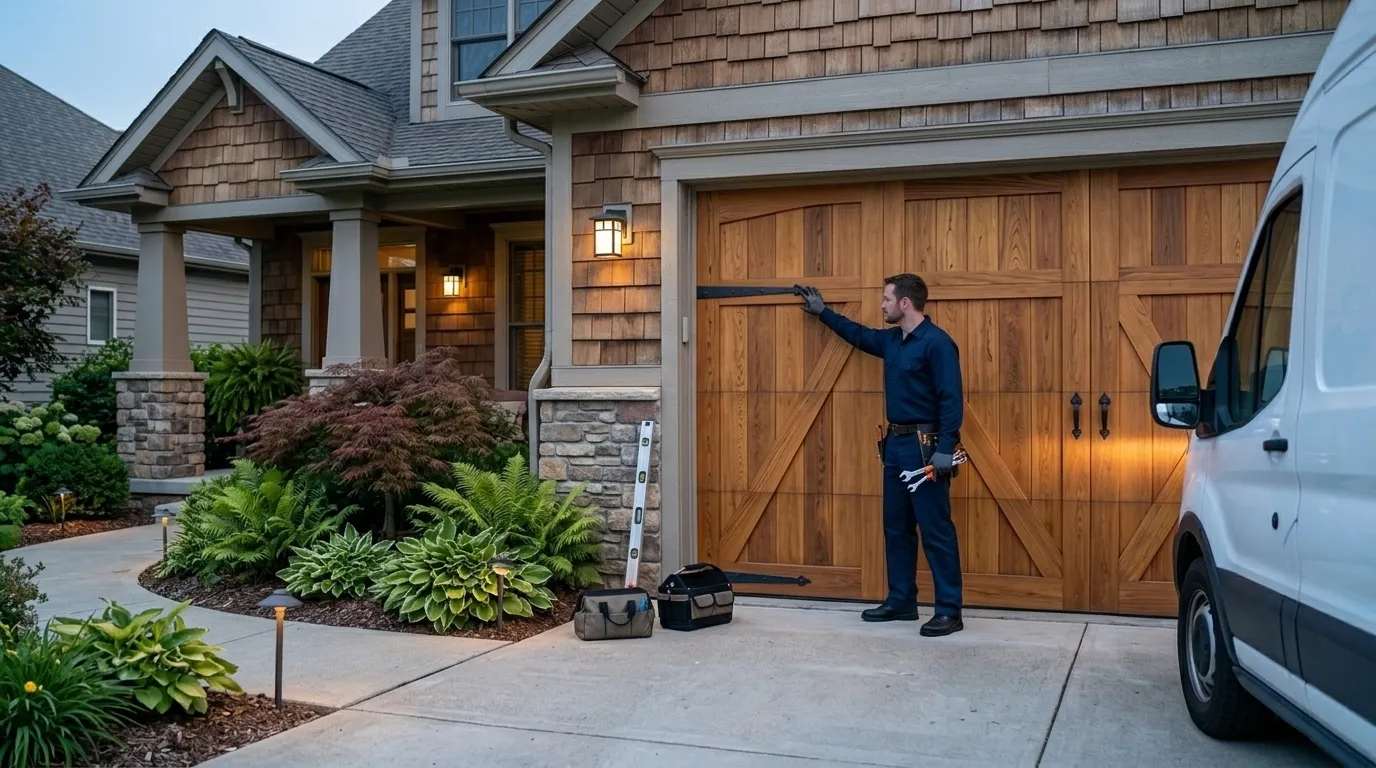
Given how much of Federal Way's housing sits in that 1938-to-2003 build window, we carry torsion springs sized for the standard residential openings that generation used, plus the common roller and cable sizes that match steel doors from that era. Openers are trickier - chain-drive units from the 80s and 90s used a wider range of gear and sprocket sizes than what's sold today, so we carry the common replacement kits but not every obsolete part number.
Honest limitation: if your opener is a discontinued model from the early part of that build window and the drive gear is proprietary, we may need to order the part rather than finish same-visit. We'll tell you that on the spot rather than let you assume it's a quick fix.
Why It Happens Here
Federal Way sits in a cold-moderate climate band, which matters more for garage doors than people expect. It's not extreme cold that kills hardware here - it's repeated damp-to-dry cycling through the wet months that swells wood-composite panels and corrodes steel fasteners on doors that are already 30-plus years into their service life. Combined with a housing stock concentrated in the 1980s and 90s, you get a specific failure signature: springs that were rated for a certain cycle count finally hitting it, and steel components that have quietly rusted at the mounting points for years before they let go.
This is less of an issue in newer construction, where doors are younger and hardware coatings are better. But across the bulk of Federal Way's owner-occupied houses - a large share of roughly 159,518 in the wider service area - the original-hardware-plus-climate combination is the main reason these doors fail when they do.
Why Federal Way Calls Us
What Happens When You Call
Call or Request a Quote
Tell us what the door is doing and roughly how old the house is - that alone points us toward the likely part before a truck leaves.
On-Site Diagnosis
A tech checks the spring, cables, tracks, and opener in person and tells you plainly what is actually wrong.
Straight Price, No Surprises
You get a number before any work starts. It covers parts and labor, nothing added after the fact.
Fixed the Same Visit
Most repairs are done in one trip. If a part needs sourcing, we tell you that upfront instead of guessing.
Talk to a Technician Before You Book
Describe what the door is doing and get a straight answer on what it likely needs.
Jobs Like Yours
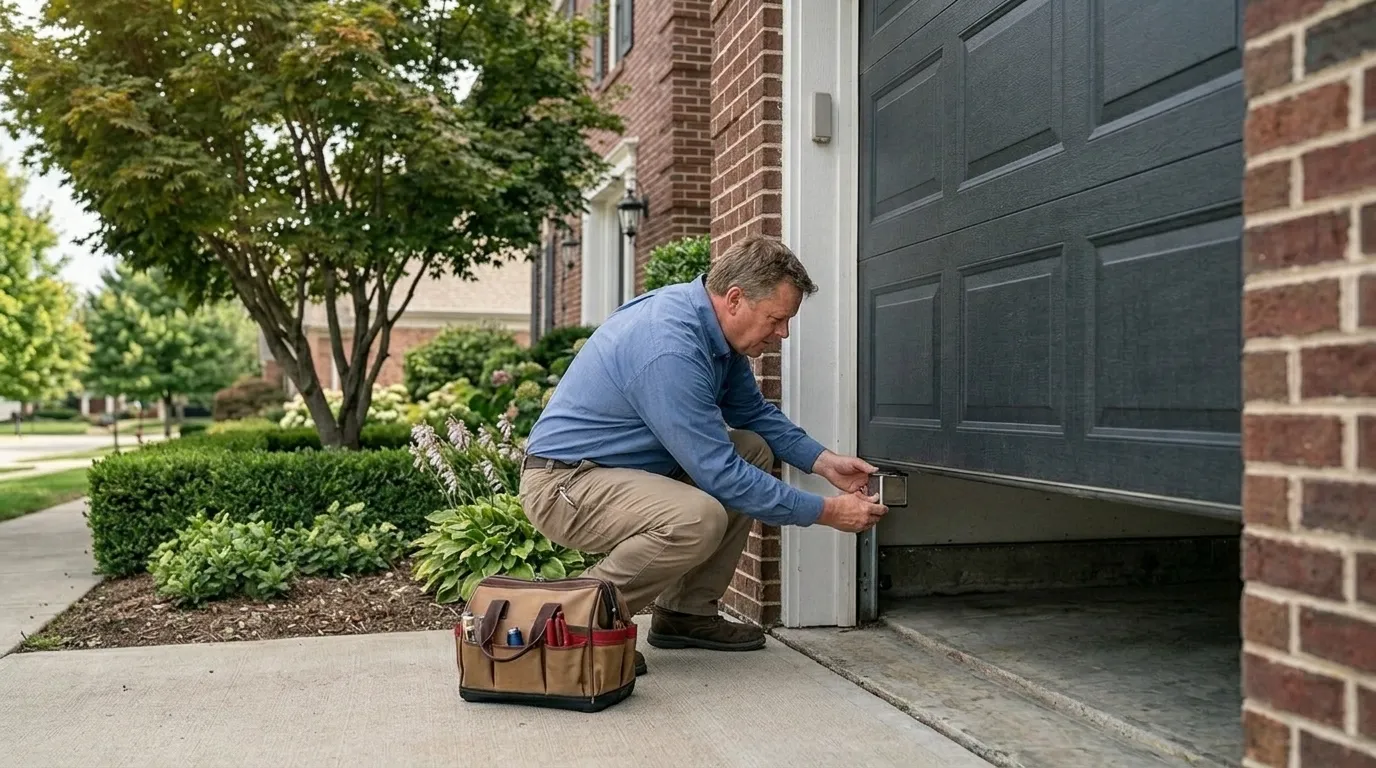
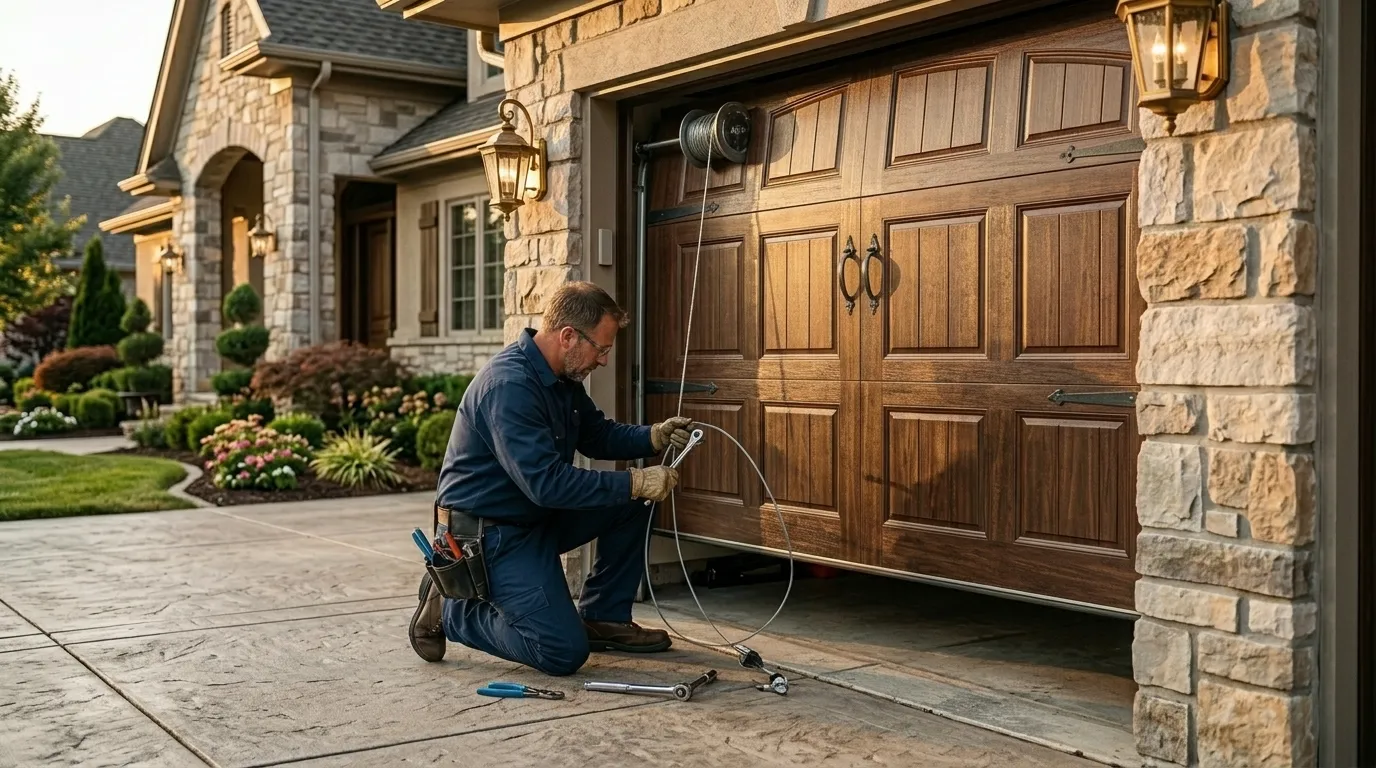
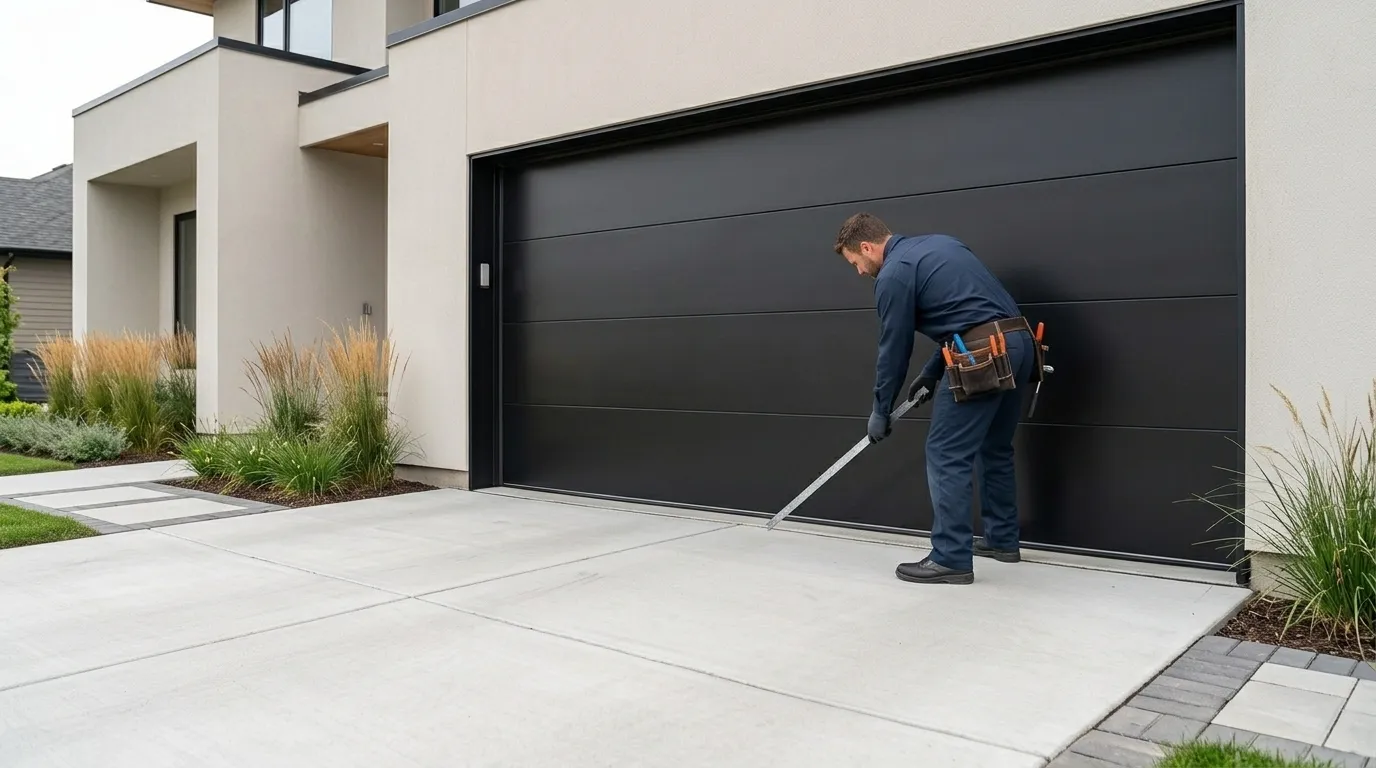
Recent work from this service line.
Other Ways We Can Help
Frequently Asked Questions
Why did my garage door spring break with no warning?
Torsion springs are rated for a set number of open-close cycles, typically corresponding to 15-20 years of average use. If your house was built in the 1980s or 90s, which covers most of Federal Way, the spring is likely original and simply reached the end of its rated life. There's rarely a single cause - it's cumulative wear.
Is it worth repairing an opener from the 1980s?
Sometimes. If the motor and circuit board still work and it's just the drive gear or sprocket, a repair kit usually makes sense. If the board itself is failing or the model is fully discontinued, we'll usually tell you replacement is the better use of your money rather than chase obsolete parts.
Why does my door stick more in winter?
Federal Way's cold-moderate climate means damp air much of the year, and older wood-composite panels can swell slightly at the seams. That extra friction against the track, combined with worn rollers, is enough to make a marginal door noticeably harder to move in the wet months.
Need Garage Door Service for Federal Way's 1980s-Era Housing Stock?
Call now for straight answers on cost and timing.