
Federal Way Garage Door Guide
When a Spring Goes in Cold Weather in Federal Way
Federal Way homes built 1938-2003 carry aging torsion hardware. Here's what cold, damp weather does to a spring that's already near the end of its life.
- Licensed & Insured
- Same-Area Service Calls
- Upfront Pricing
Where People Go Wrong
Most calls we get start the same way: a spring snaps on a cold morning and the owner assumes it's a one-off, bad luck. It usually isn't.
Housing stock in Federal Way and the surrounding areas runs from 1938 up through 2003, with the bulk of it built in the 1980s and 90s. That means a lot of torsion springs out there are original or close to it, rated for a lifecycle that's long since run out.
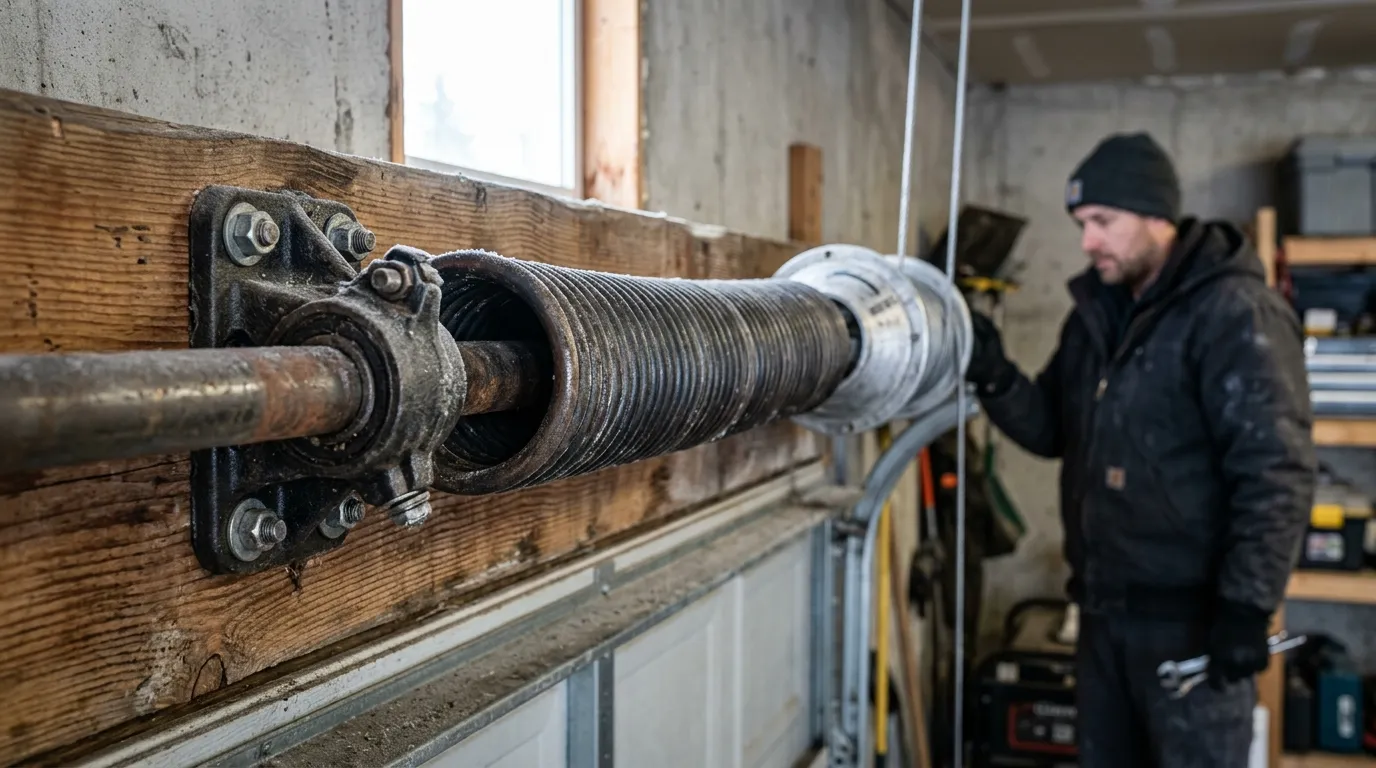
The mistake is treating the break as the problem instead of the symptom. A spring that's twenty-some years old doesn't fail because of one cold snap.
It fails because the cold snap was the last straw on metal that was already fatigued. People replace the one spring, skip the cable and roller inspection that should go with it, and end up back at square one within a year or two.
The other common error is guessing the spring size instead of measuring wire diameter, coil length, and inside diameter off the actual door. On a house built in the 80s or 90s, that hardware may not match what's stocked on a truck today, and a wrong-sized spring puts uneven strain on the opener and the other spring on double doors.
What You Pay
We don't have a set number to hand you here without seeing the door, the spring size, and whether it's a single or double setup. What drives the cost more than anything on a Federal Way house is age: torsion hardware installed when the home was built (often in that 1980s-90s window across this area) sometimes needs the whole assembly redone, not just the spring itself, because the shaft and bearing plates have worn along with it.
One honest limitation: if your door was installed before the 1990s and the drum, shaft, and end bearings haven't been touched, we're not going to quote you a spring-only job and call it done. Replacing a spring on worn-out hardware just moves the next failure a few months down the road. We'll tell you straight if that's what we're looking at.
The Situation
Federal Way sits among a cluster of similarly aged suburbs: Lakeland North and Lakeland South a few miles off, Milton, Algona, Des Moines, and Fife all within five to six miles. That matters because the building stock across this whole stretch went up in the same decades, largely the 1980s and 90s, which means the same torsion spring and opener generations are failing on the same rough timeline across all of them right now.
With 316,256 households and 159,518 owner-occupied houses across this service area, and a median household income of $108,738, most of what we see is homeowners maintaining a house they've lived in for a while, not flippers doing cosmetic work. That changes the calculus: fixing it right the first time matters more than fixing it cheap, because you're not selling next year.
What the Weather Here Does to It
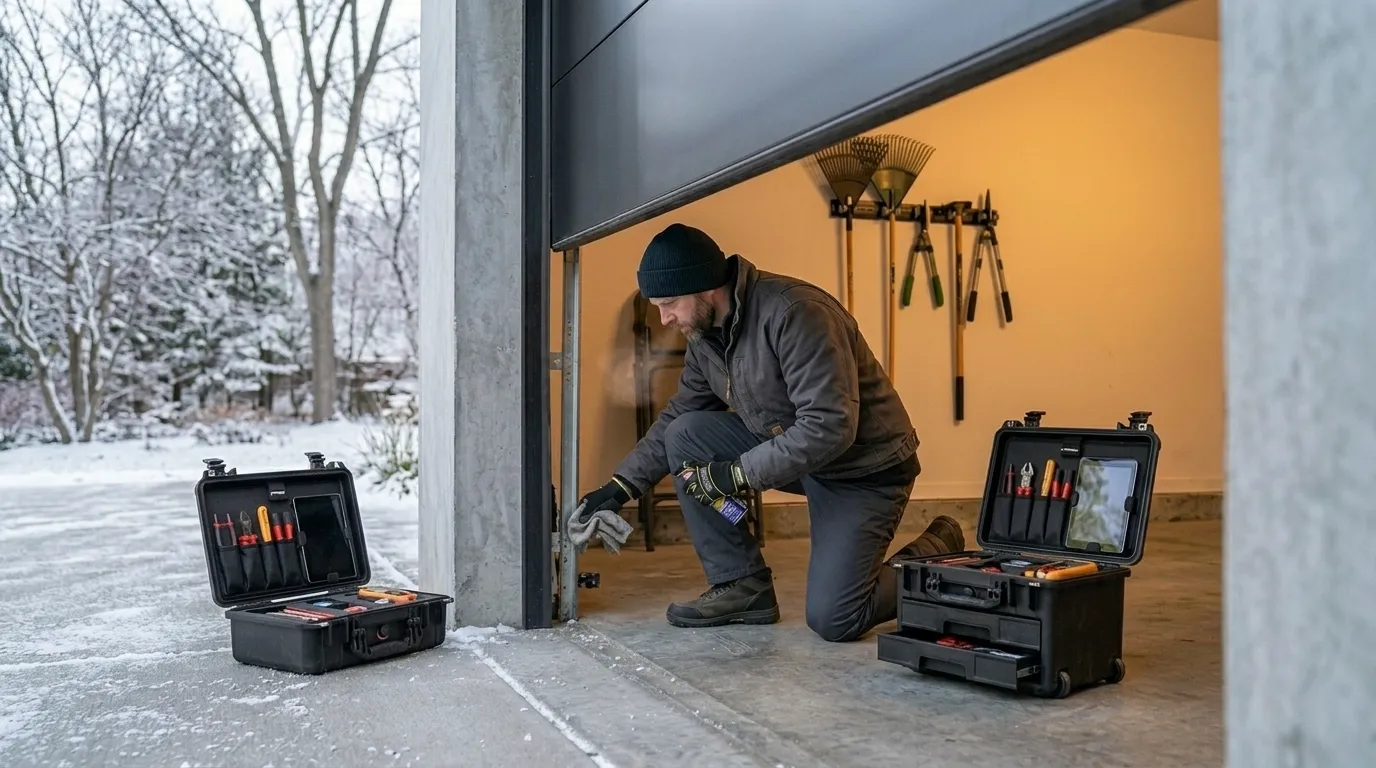
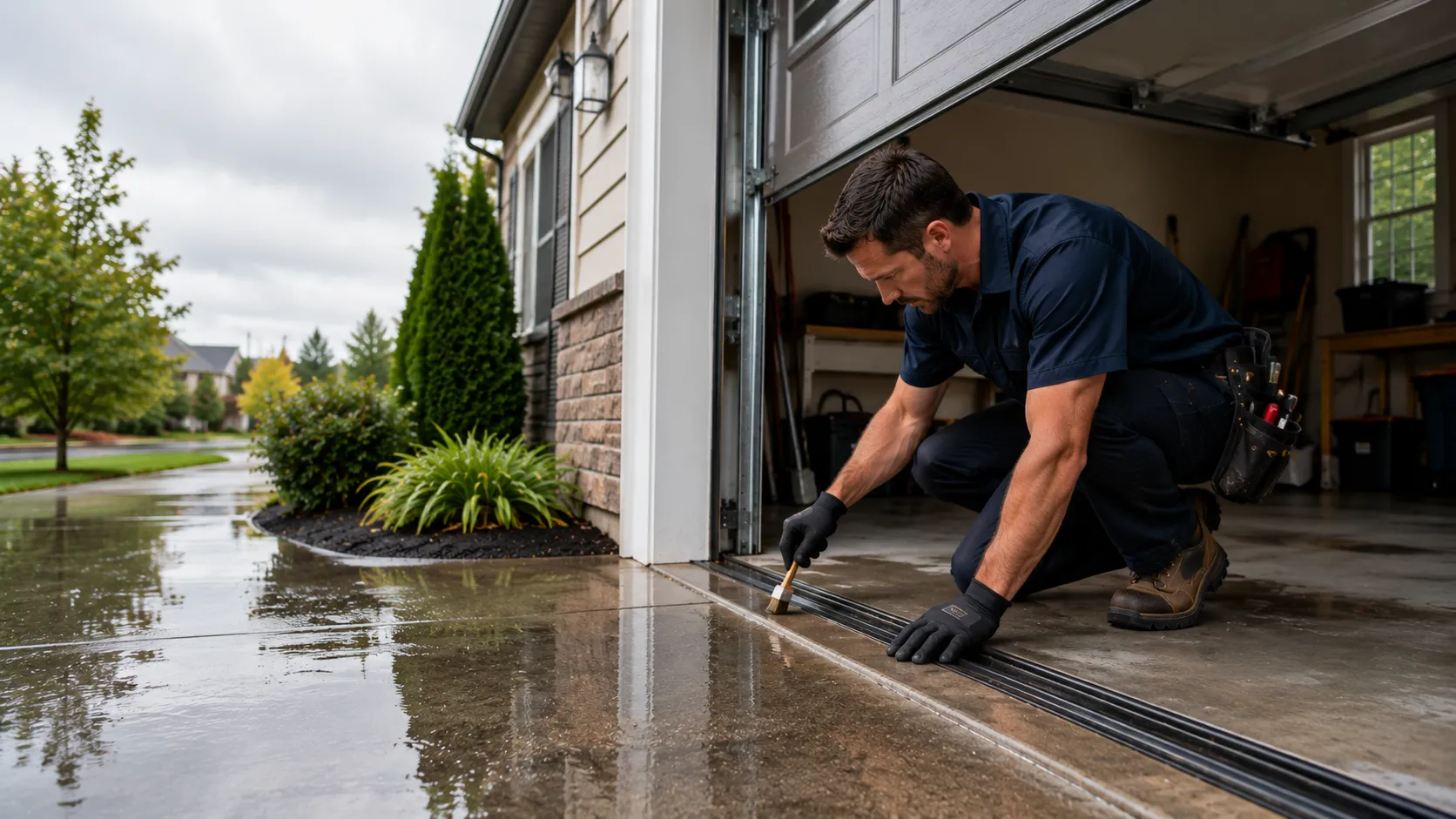
This region sits in a cold-moderate climate band, not the deep-freeze conditions that snap springs from brittle steel, but consistently damp and chilly enough that moisture works into coil gaps and bearing points year-round. Steel contracts slightly in the cold, and a spring already carrying rust or metal fatigue from age has less give left when that contraction adds load on a winter morning.
On a door installed any time from the late 1930s through the early 2000s, that combination of age and damp cold is exactly the failure pattern we see most: not a dramatic weather event, just years of moisture and temperature swings finishing off hardware that was already near the end. Keeping springs, cables, and rollers lightly lubricated through the wetter months does more here than in a dry climate, because rust accelerates fatigue faster than clean wear alone would.
How We Can Help
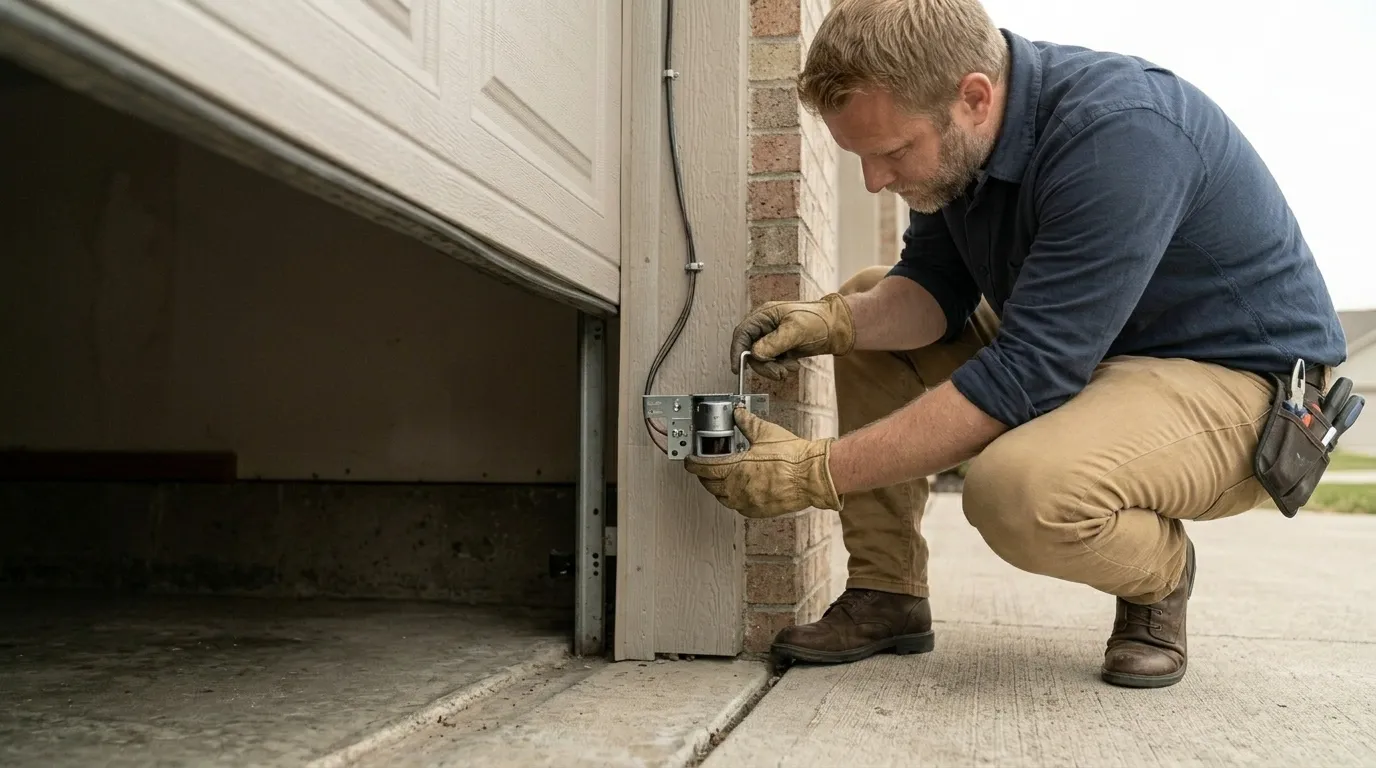
Garage Door Repair
Springs, cables, tracks, rollers, and openers fixed by a tech who explains the problem before touching anything.
Learn more →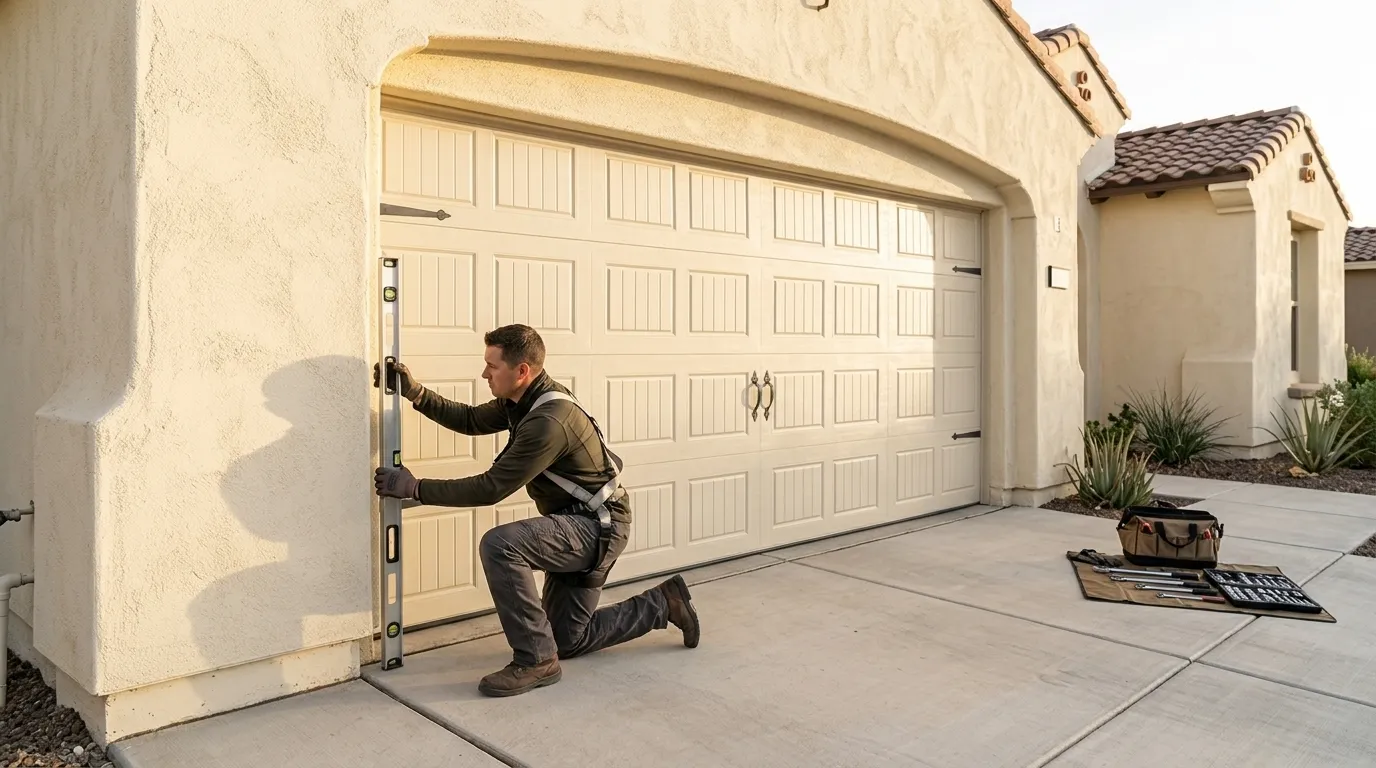
Garage Door Installation
New sectional doors sized and installed for the housing stock actually built in this area.
Learn more →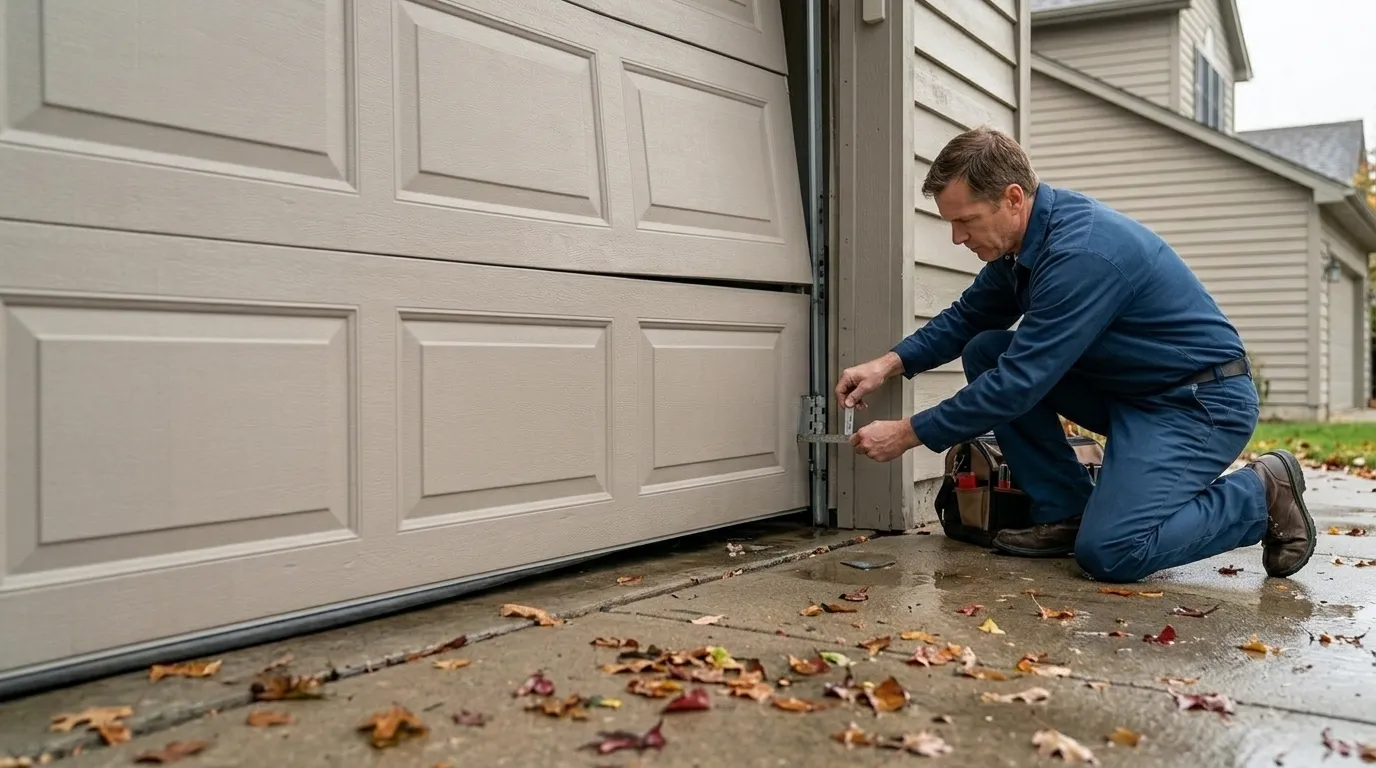
Garage Door Service
Tune-ups, lubrication, and safety checks that catch a small problem before it becomes a service call.
Learn more →Frequently Asked Questions
Why did my spring break on a cold morning and not any other time?
Cold doesn't cause the break by itself. Steel contracts slightly and has less flex, so a spring that's already fatigued from age or rust is more likely to go on a cold morning than a warm afternoon. If your house dates to the original 1980s-90s wave common in this area, the spring is probably original.
Do I need both springs replaced if only one broke?
On most double-door setups, yes. Springs age together under the same conditions, and replacing only one leaves mismatched tension pulling the door unevenly. We'll look at the second spring's coil condition before deciding, but on hardware from the older stock common around Federal Way, we usually recommend the pair.
Is my hardware too old to just replace the spring?
Sometimes. If the shaft, bearing plates, and drums show wear from decades of use, a spring-only fix just delays the next failure. We'd rather tell you that upfront than quote a job that won't hold.
Have a Door That Needs a Second Opinion?
Call and describe what it is doing - we will tell you what it likely is.