
Federal Way Garage Door Guide
Stopping the Draught Under Your Garage Door in Federal Way
Federal Way homes built 1938-2003 often have worn door seals. See why cold-moderate weather here wears seals fast and what stopping draughts really costs.
- Licensed & Insured
- Same-Area Service Calls
- Upfront Pricing
Where People Go Wrong
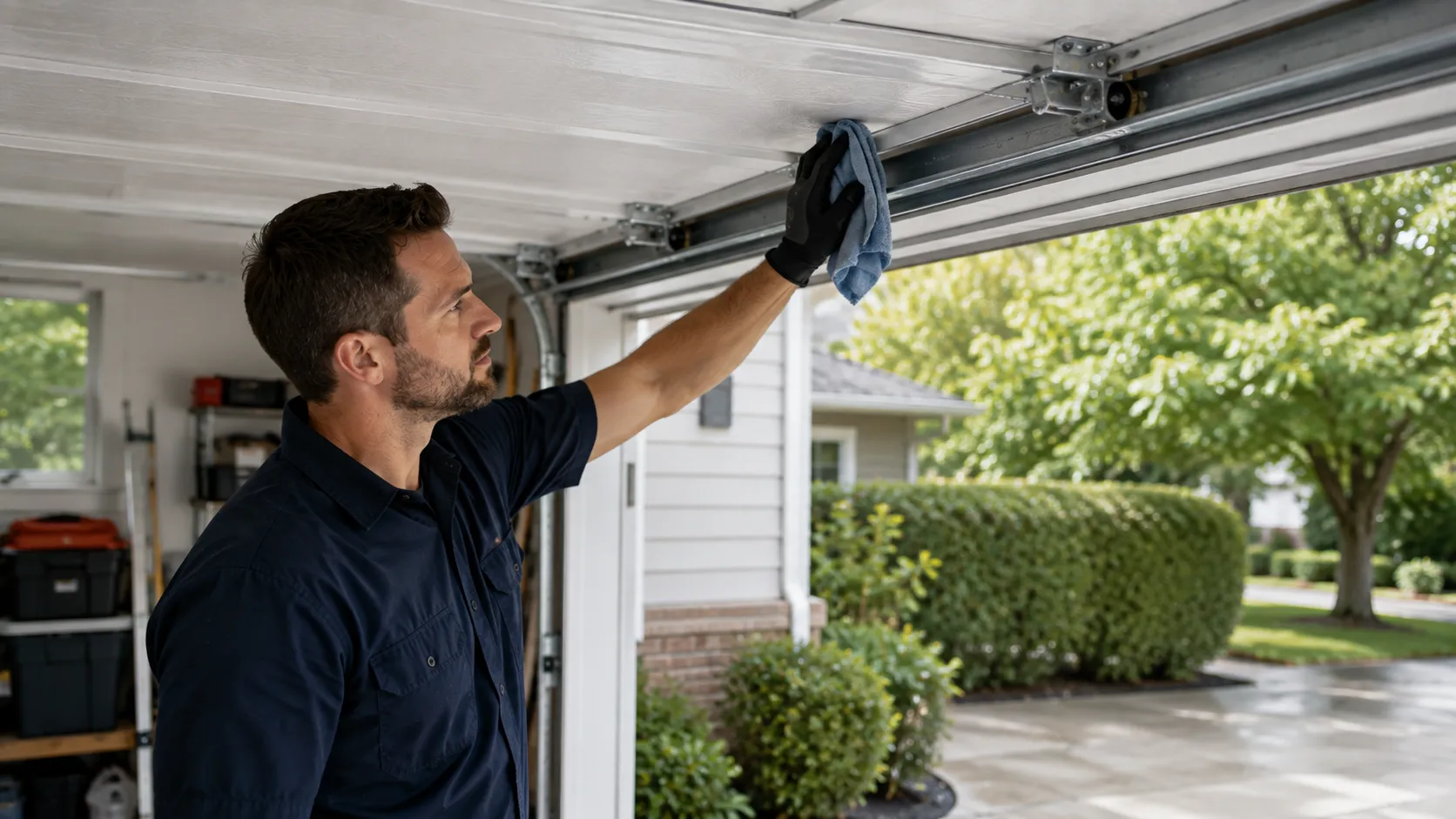
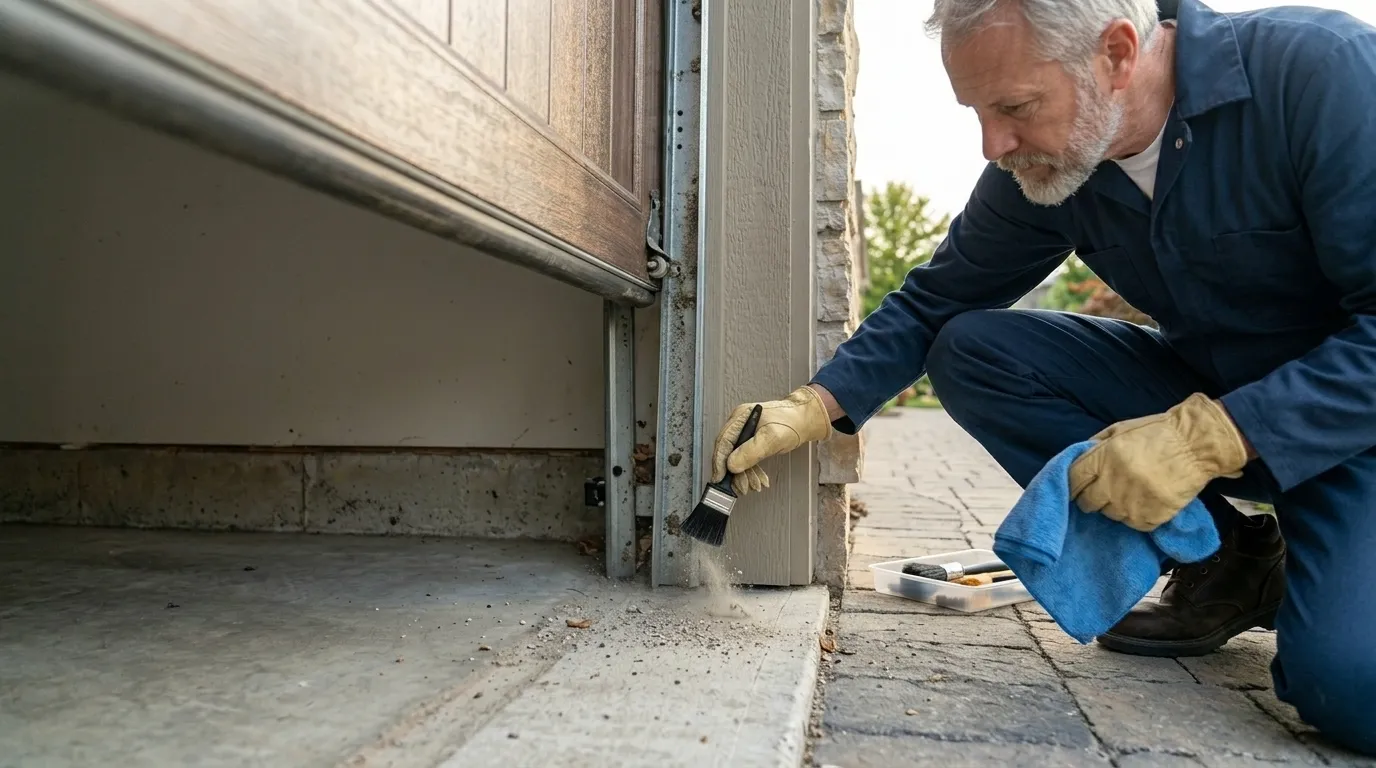
The most common mistake we see is treating the bottom seal like it's permanent. Most houses in this service area went up between 1938 and 2003, with the typical build year sitting around 1984, and a lot of that vinyl astragal has never been swapped.
Owners notice a draught, feel around the bottom edge, decide it's "not that bad," and leave it. By the time the seal is visibly cracked or flattened on one side, it's usually been letting in cold air and moisture for a couple of winters already.
The second mistake is sealing the bottom and stopping there. On the 1980s and 90s stock that makes up most of this service area, the side and top jamb seals are the same age as the bottom one, and they wear at a different rate depending on which way the door faces.
A door that gets afternoon sun on one side often has a brittle strip on the shaded side and a stretched, loose one on the sunny side. Replacing only the piece that's obviously failing leaves the other one still leaking air, so the draught never fully goes away, and the owner assumes the repair didn't work.
What You Pay
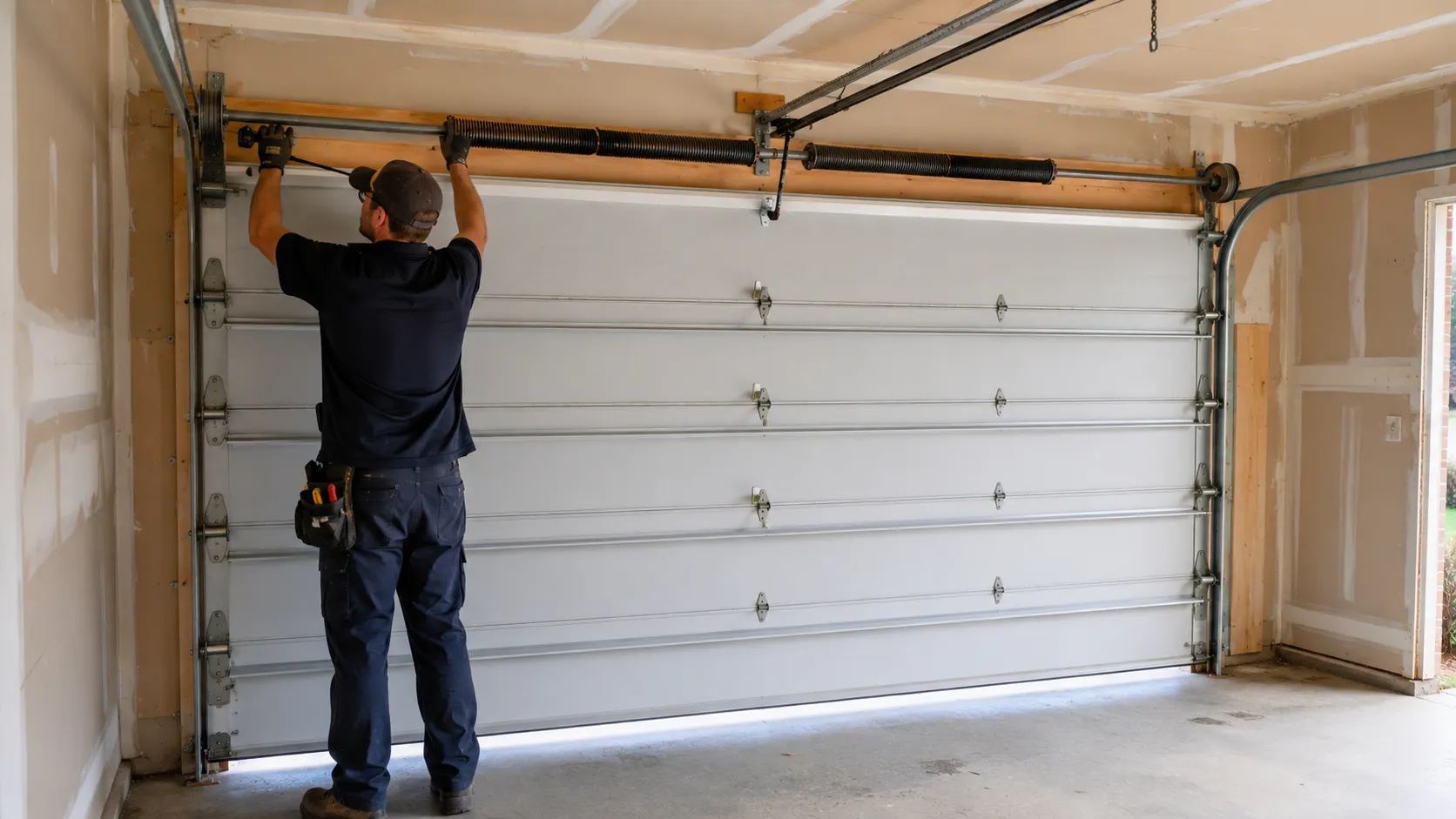
We don't have a fixed number to quote here, and giving you one without seeing the door would be a guess dressed up as a fact. What we can tell you is what drives the cost: whether it's just the bottom astragal, or the full set including side and top jamb seals, and whether the track or bottom bracket has to come off to get a clean seat for new material.
A single bottom seal swap is the cheapest job on the list. Full weatherstripping on all four sides, especially on an older wood-jamb opening rather than a newer vinyl-jamb one, takes longer and costs more.
Median household income in this service area runs $108,738, and at that level most owners we talk to choose to replace worn seals outright rather than patch a cracked strip with tape or foam for another season. That's a reasonable call - patched seals fail again within a year, and by then the cold air has usually found its way into the door's insulation too, if there is any. If your door is original to a house from the 1980s or 90s, budget for the full set, not just the one strip you can see.
The Situation
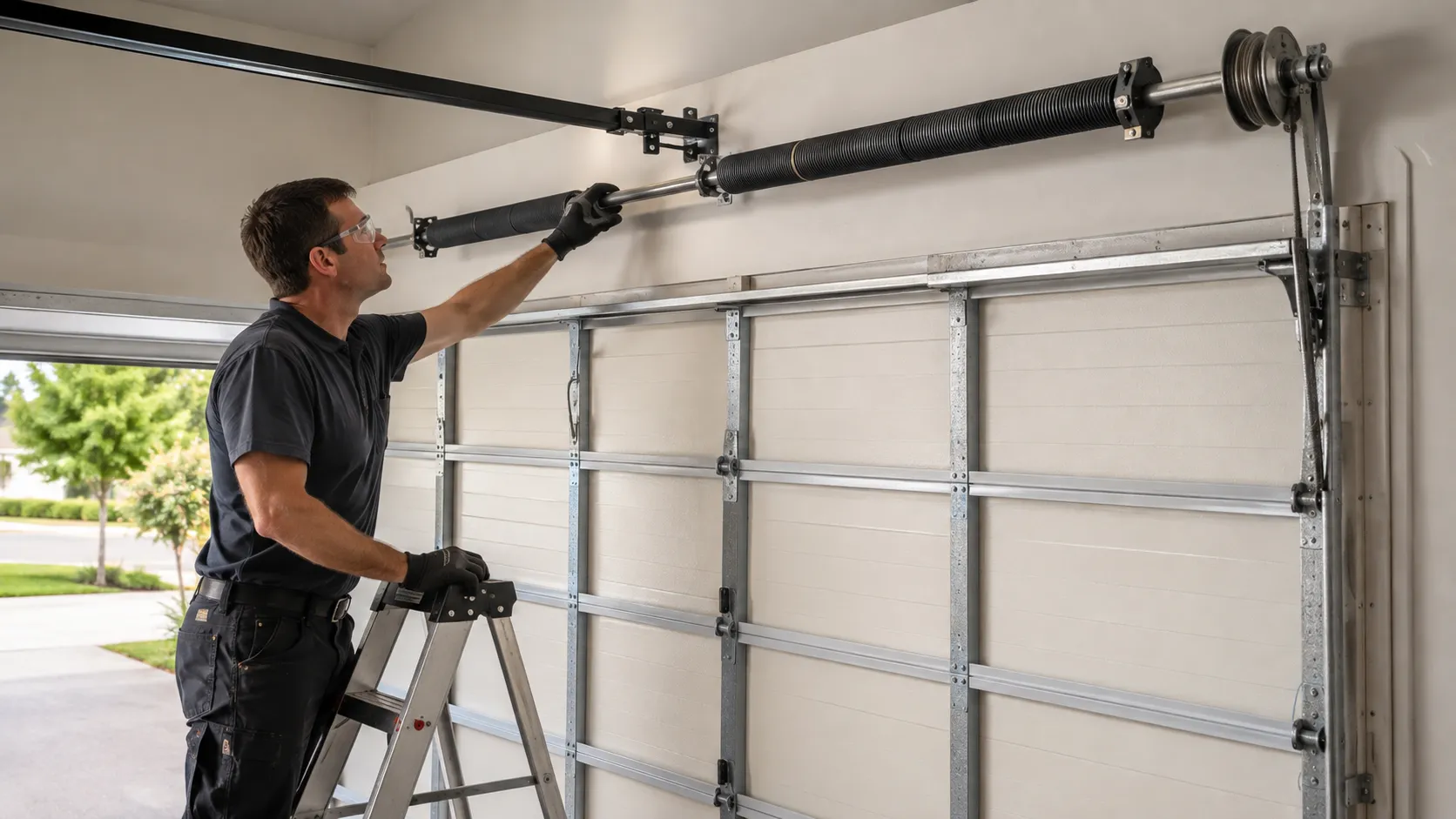
Across the 54 named areas that make up this service area, the bulk of the housing stock dates to the 1980s and 90s. That matters for seals specifically because doors from that window were built with thinner steel skins and simpler bottom astragal channels than what's sold today. The rubber compound used back then wasn't formulated to handle decades of repeated freeze-thaw cycling, so even a door that's otherwise structurally fine - panels straight, hardware sound - can have a seal that's given up entirely.
With 316,256 households and 159,518 owner-occupied houses across this area, we see the same pattern repeat: the door itself still works, the opener still runs, but cold air pours in along the bottom edge or one side jamb every time the wind picks up. That's not a sign the door needs replacing.
It's a sign the seal has outlived its rubber. One honest limitation: if the bottom bracket or track is bent from a past impact, a new seal won't seat right no matter how good the material is, and that part of the job needs fixing first.
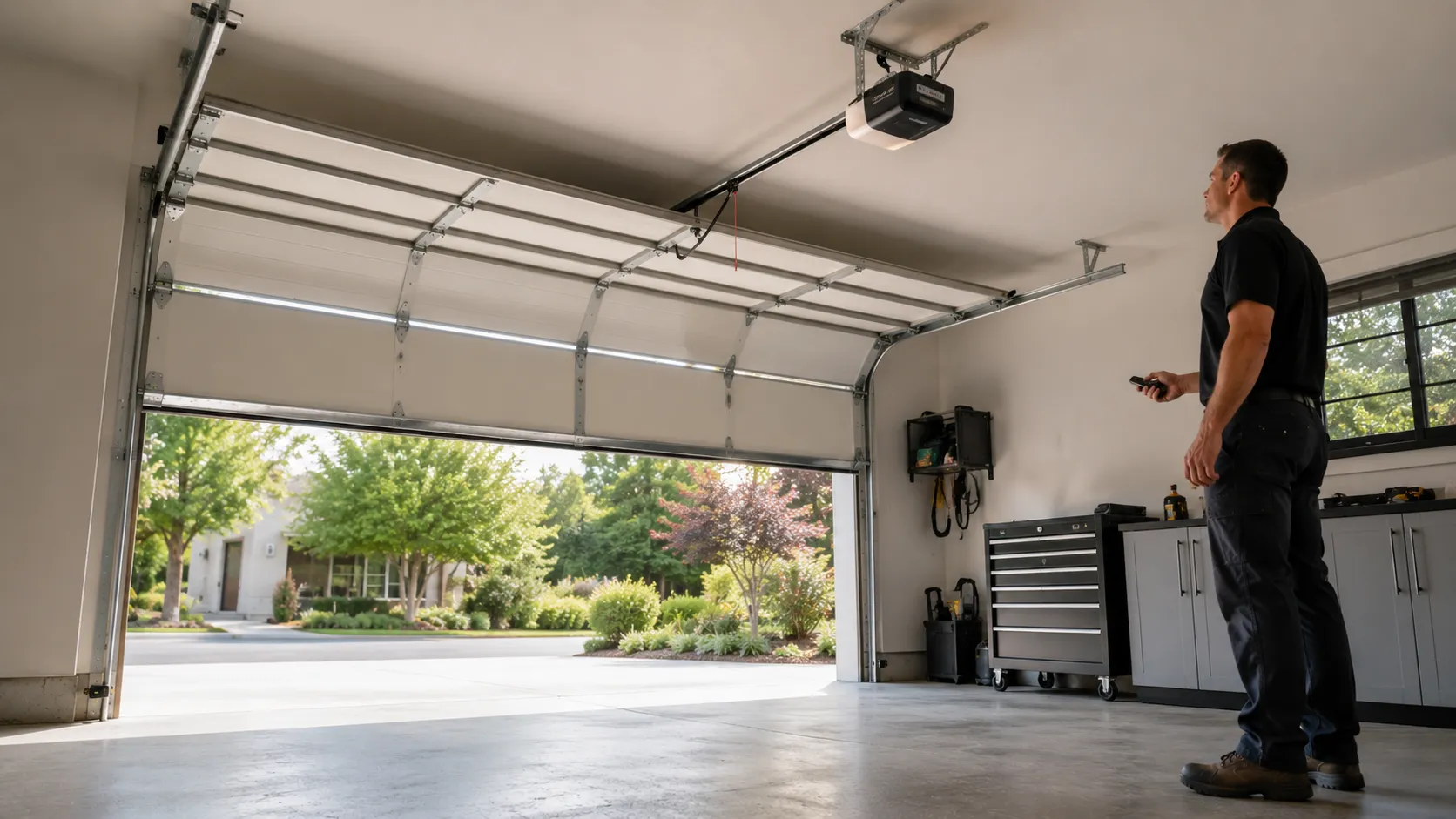
What the Weather Here Does to It
Federal Way sits in a cold-moderate climate band, which means the seals on your door go through repeated cycles of cold, damp, and brief freezes rather than one long deep freeze like you'd get further inland. That cycling is harder on vinyl and rubber than steady cold - the material contracts and expands over and over through the winter months, and that's what causes the hardening and hairline cracking we find on doors from the 1938-2003 building era that make up most of this area's stock.
Once a seal cracks, moisture gets behind it and into the bottom of the door panel or the wood jamb, and that's when small draught problems turn into bigger ones. A stiff, cracked seal also stops sealing evenly against the concrete slab, so even a light gust pushes air straight through the gap. If you've noticed a cold line along the garage floor near the door on a windy day, that's usually the seal, not the door itself - and it's worth checking before winter gets deeper rather than after.
How We Can Help
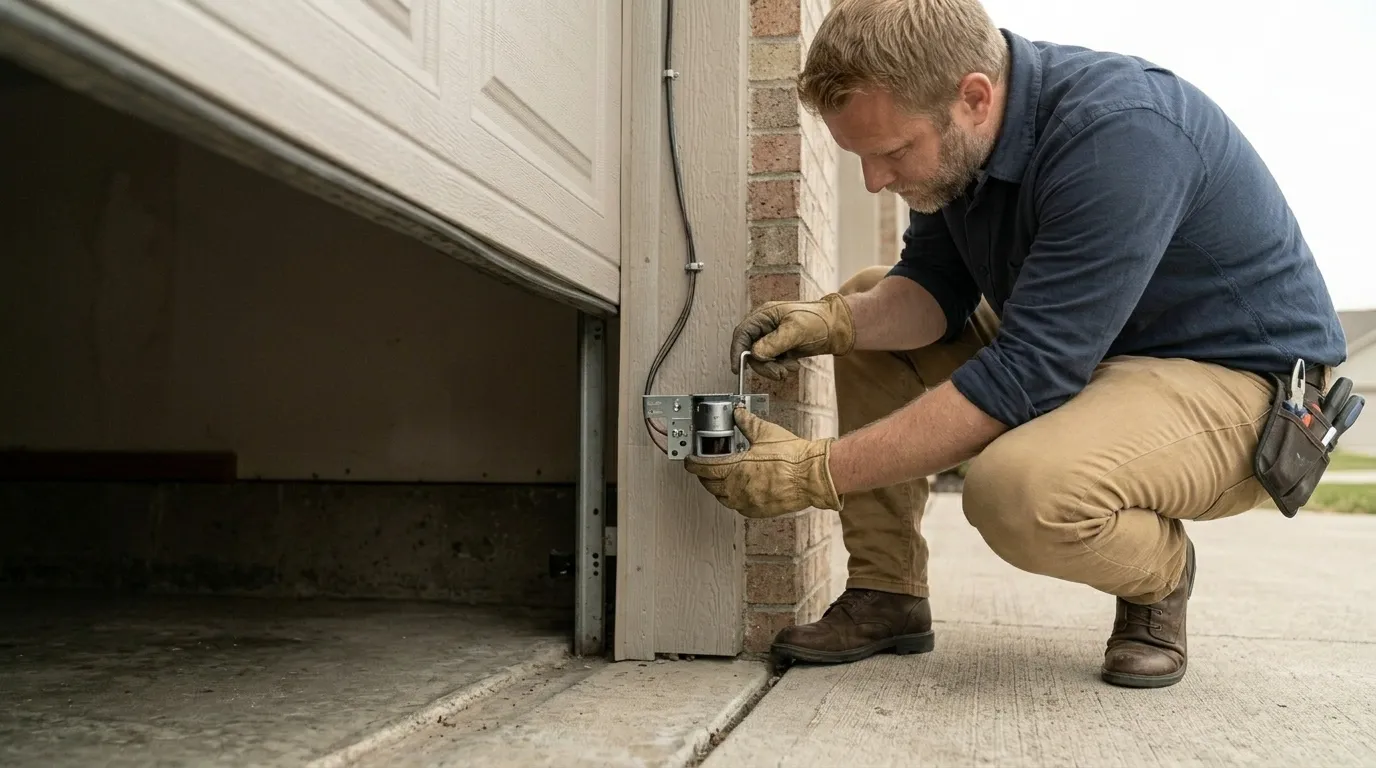
Garage Door Repair
Springs, cables, tracks, rollers, and openers fixed by a tech who explains the problem before touching anything.
Learn more →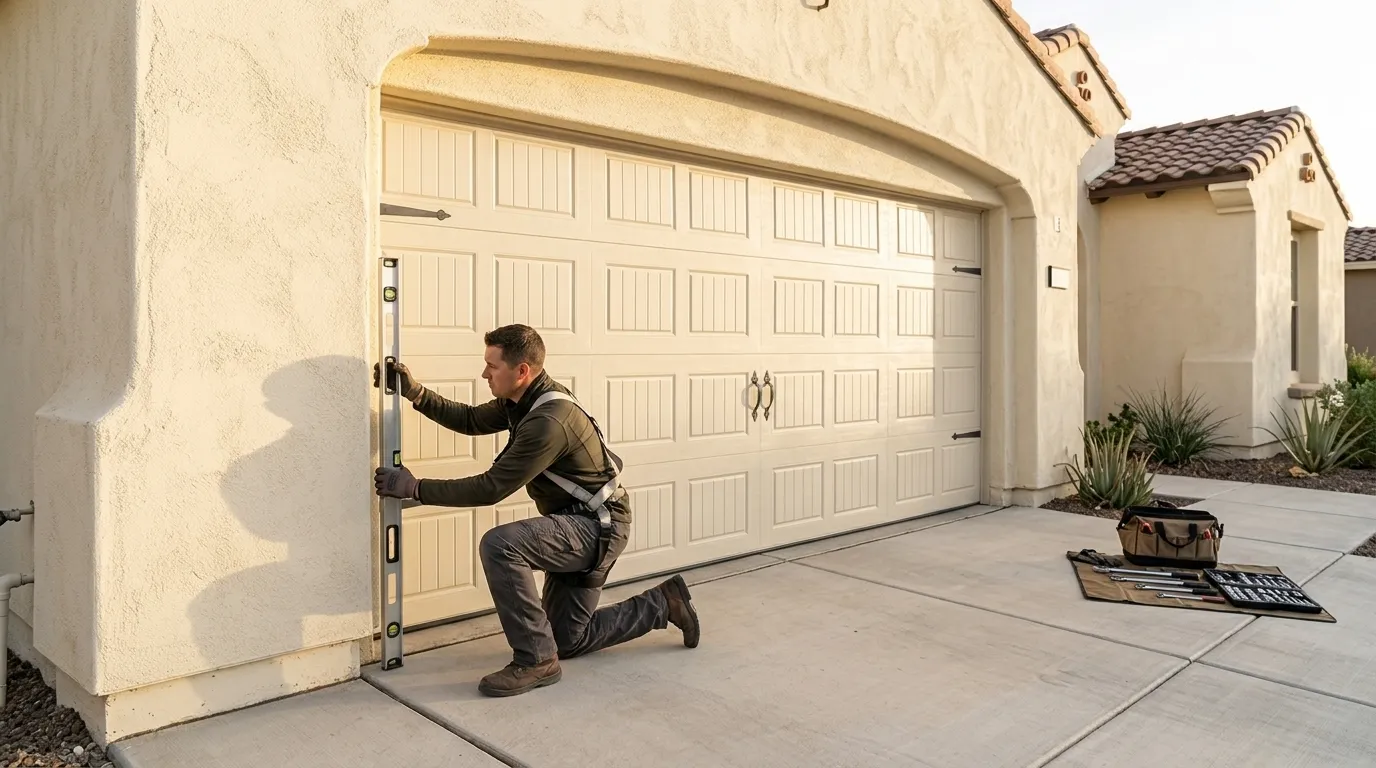
Garage Door Installation
New sectional doors sized and installed for the housing stock actually built in this area.
Learn more →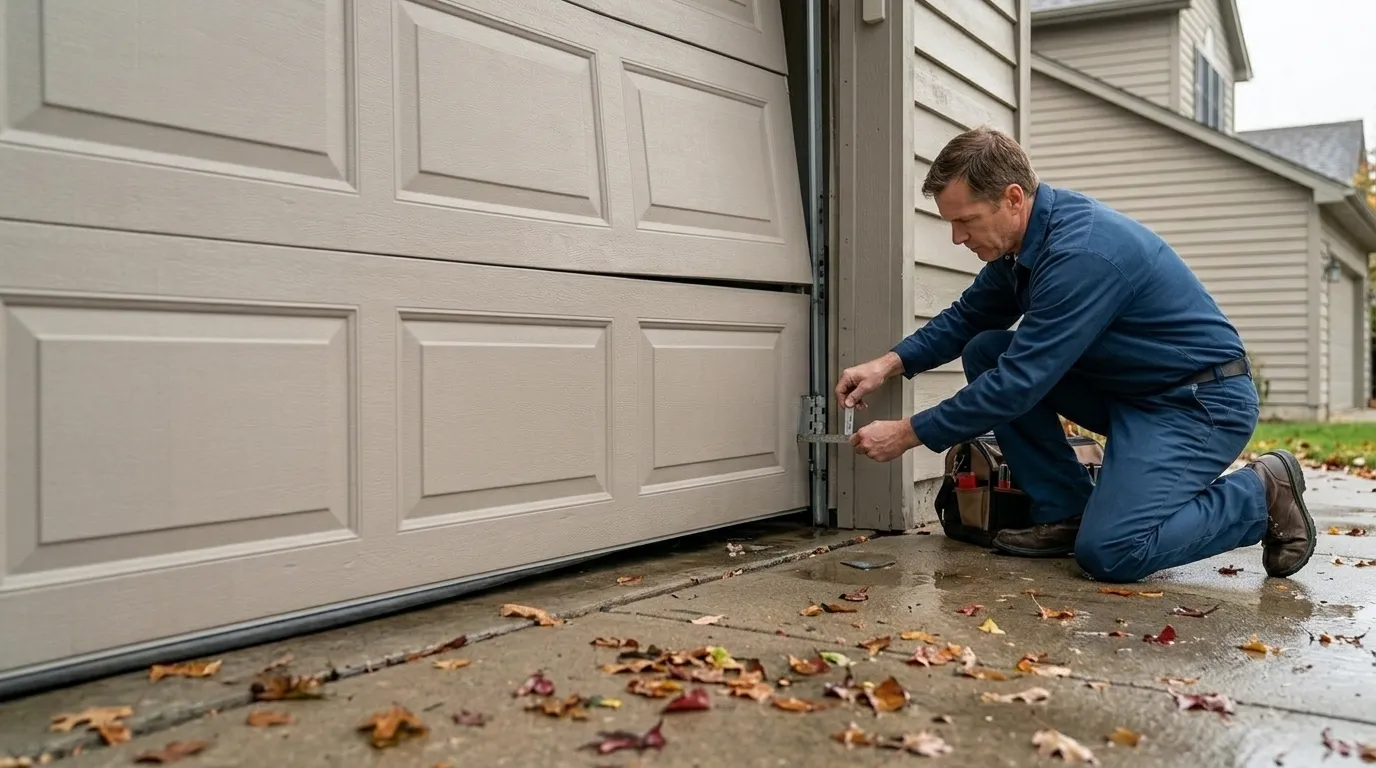
Garage Door Service
Tune-ups, lubrication, and safety checks that catch a small problem before it becomes a service call.
Learn more →Frequently Asked Questions
How often should I replace the weatherstripping on my garage door?
There's no fixed calendar for it - it depends on sun exposure and how the seal has aged. On houses from this area's typical 1980s-90s stock, we usually find the bottom seal needs replacing well before the door itself shows any other wear. Check it once a year for cracking, flattening, or a section that's pulled loose from the track.
Why is my garage door still draughty after I replaced the bottom seal?
If only the bottom astragal was replaced, the side and top jamb seals are likely the same age and just as worn, especially if they're original to a house built in this area's common 1938-2003 window. Cold-moderate climate cycling wears all four sides, not just the bottom, so a full check usually finds more than one spot leaking.
Can I fix a cracked seal myself or does it need a pro?
A straightforward bottom seal swap is a reasonable DIY job if the track and bottom bracket are straight. If the bracket is bent or the jamb seal channel is damaged, seating a new seal correctly gets harder, and that's when it's worth having someone look at the hardware first.
Have a Door That Needs a Second Opinion?
Call and describe what it is doing - we will tell you what it likely is.