
Federal Way Garage Door Guide
What a Service Call Actually Covers
A straight look at what a garage door service call actually inspects and fixes on Federal Way homes built between 1938 and 2003, and what the cold, wet climate does to them.
- Licensed & Insured
- Same-Area Service Calls
- Upfront Pricing
Where People Go Wrong
Most calls we get start with "the door's making a noise" or "it just stopped working," and the caller assumes the fix is the same no matter what's behind the wall. It isn't.
Federal Way's housing stock runs from 1938 up through 2003, with the bulk of it built in the 1980s and 90s across the area's 54 named neighborhoods, and each era brought different track widths, spring types, and opener mounting. A tech who shows up without checking the age of the hardware first is guessing.
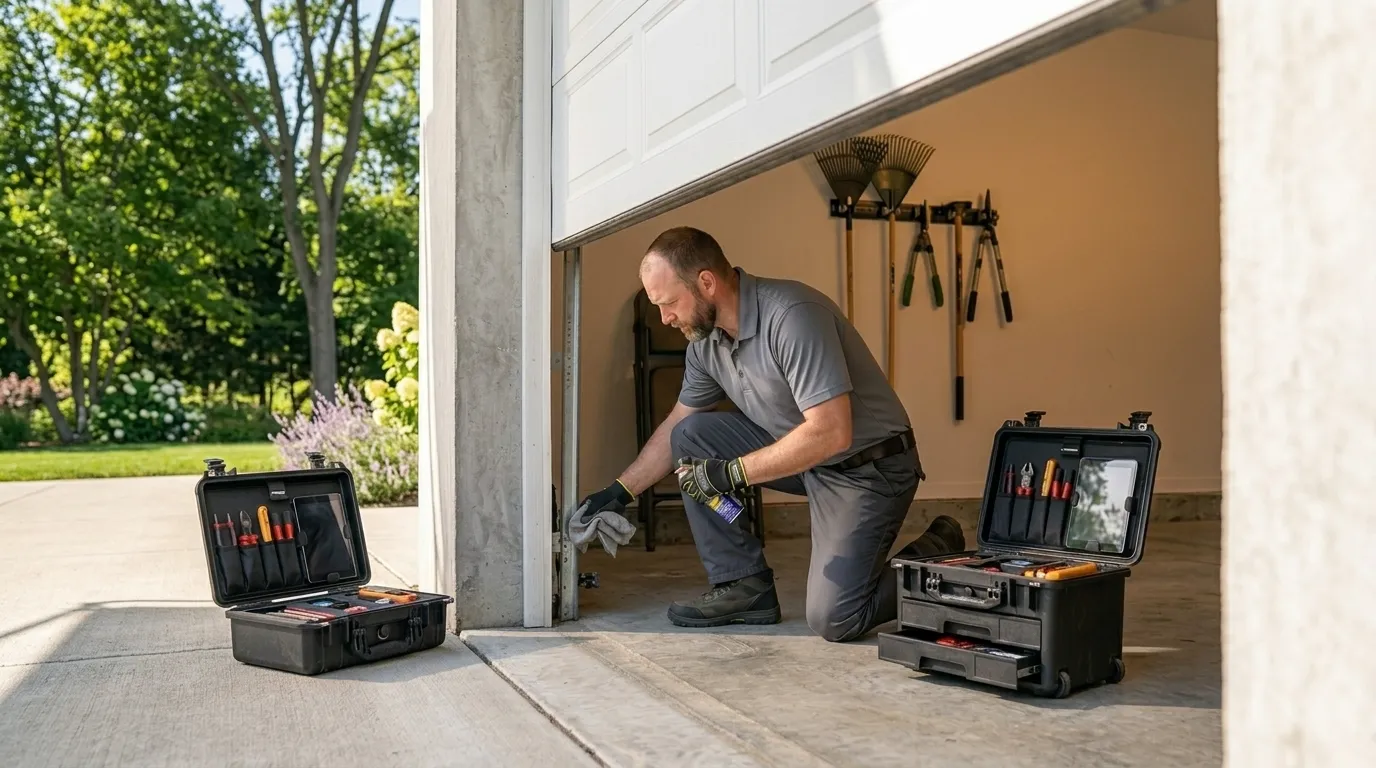
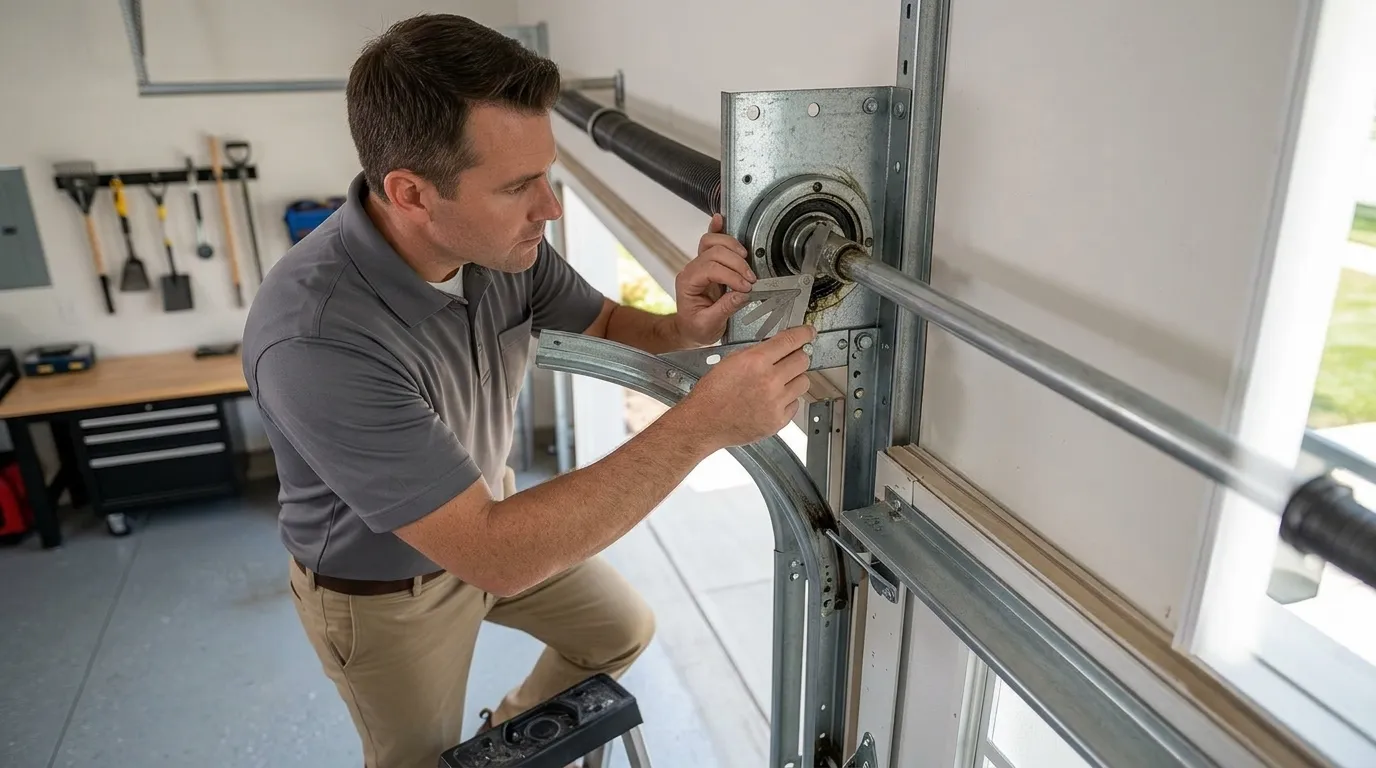
The other mistake is treating a service call like a tune-up you can skip. On a door installed when a house was built in the mid-80s, the torsion spring has done tens of thousands of cycles by now. A service call isn't just oiling hinges - it's a real inspection of spring wind, cable wear, track alignment, and the opener's force settings, because on a house this age, one of those four is usually close to failing even if the door still looks fine going up and down.
We won't pad a call with work a door doesn't need. If the spring's got life left, we say so.
What You Pay
We don't have a set number to hand you here, because what a call covers depends on what's actually wrong once we're in front of the door - a torsion spring swap is a different job than a full opener replacement, and the parts on a house built in 1962 aren't the parts on one built in 1998. What we can tell you is what's included in the visit itself: diagnosis of the door, spring, cables, rollers, tracks, and opener as a system, not just the one part that's making noise.
Federal Way households have a median income of $108,738, and most of the calls we run are repair, not replacement - a spring or a cable job on an older door, rather than tearing the whole unit out. We'll walk you through the actual cost once we've looked at the door in person, and if replacement makes more sense than another repair on an aging unit, we'll say that too instead of stacking parts onto a door that's done.
The Situation
With 316,256 households in the service area and 159,518 owner-occupied houses, a big share of what we work on is original or near-original hardware from a build era that runs 1938 to 2003, median 1984. That means a lot of doors out there are on torsion springs and openers that predate the safety-reversal and force-limit standards common in newer installs. It also means parts availability varies house to house - a door from a 1980s build in one of the area's 54 neighborhoods often takes different hardware than one from a house finished in the late 90s.
We'll be honest about one limit here: if a door is old enough that the track or spring size is no longer stocked anywhere close, a service call can turn into a special order, and that's a lead-time problem we can't shortcut. On those jobs, we'll tell you the wait up front rather than let you assume it's a same-day fix.
What the Weather Here Does to It
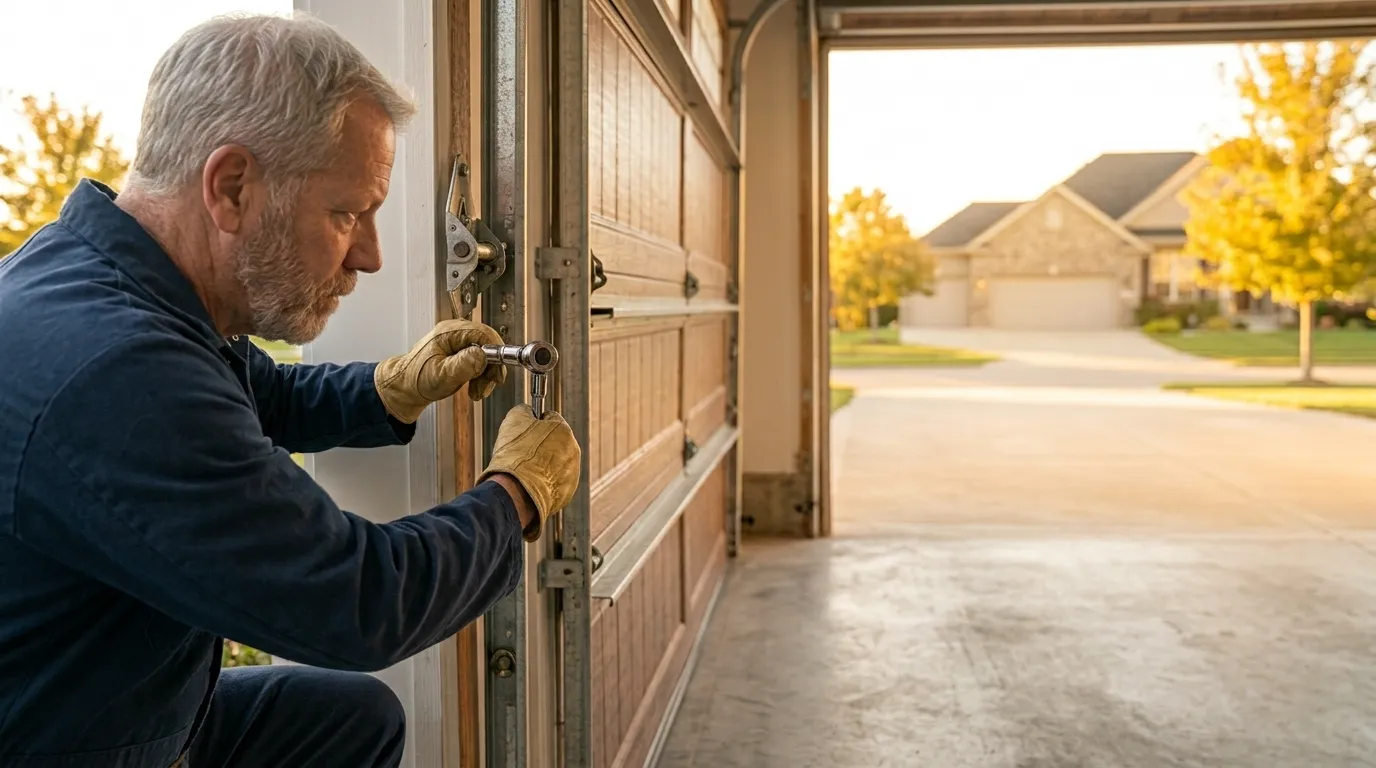
Federal Way sits in a cold, moderate climate band - not the deep-freeze extremes, but consistent damp cold that never really dries out the hardware. On a torsion spring that's already twenty or thirty years into a house built in the 80s or 90s, that kind of cold cycling stiffens the coil and speeds up metal fatigue, which is why so many of our spring calls land on older doors in the colder months rather than summer.
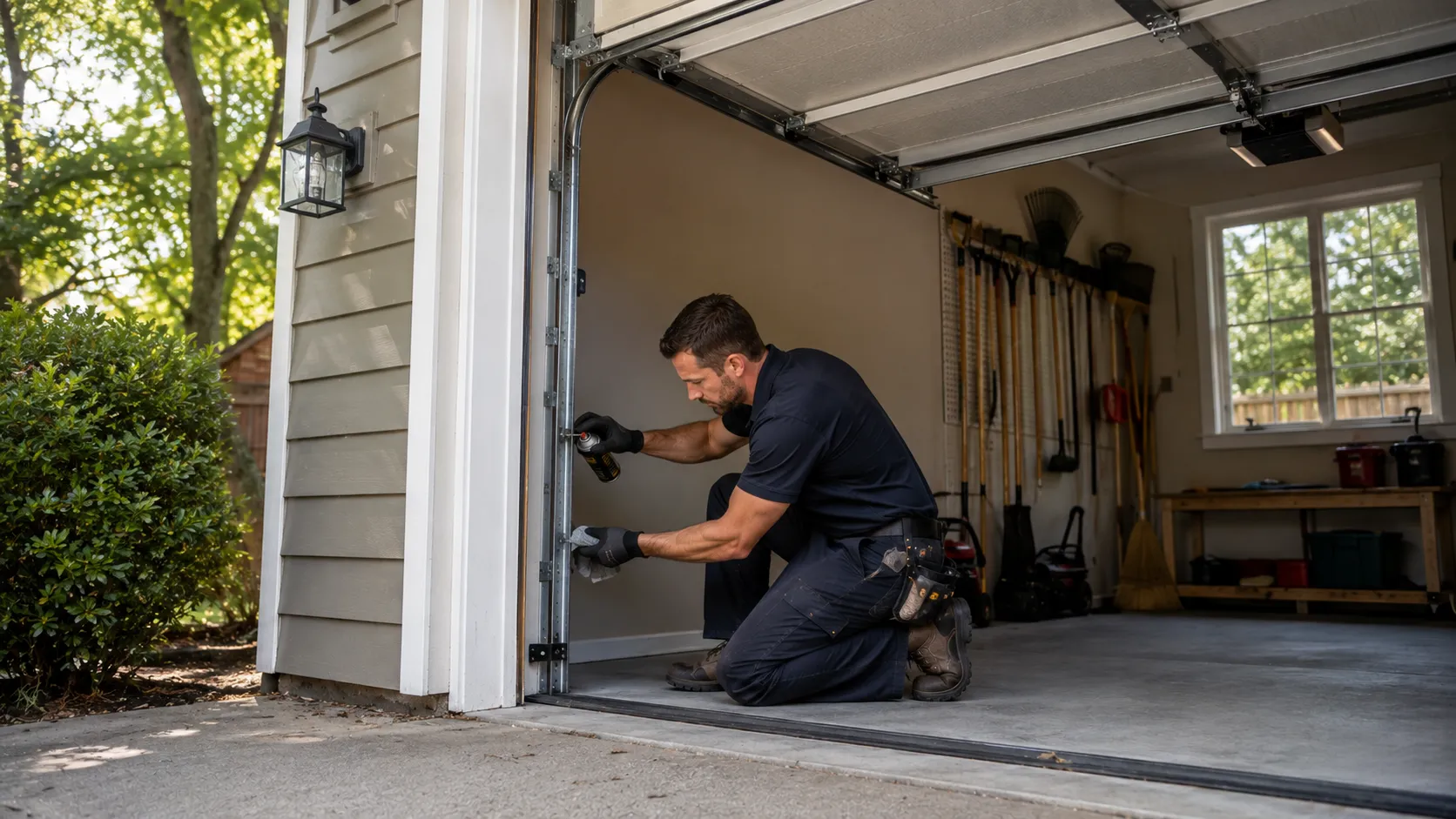
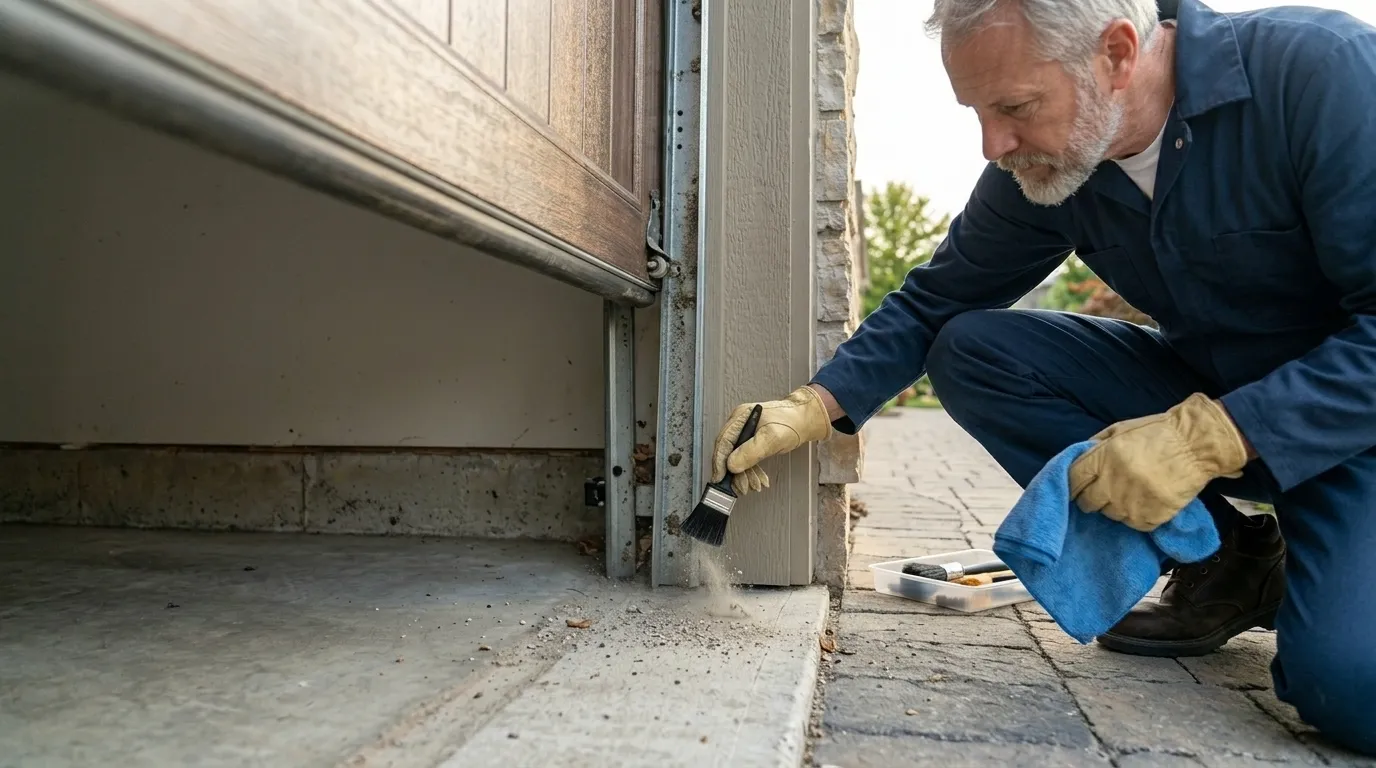
Moisture is the other half of it. Steel tracks and cable ends corrode faster in a climate that stays damp through the fall and winter than they would somewhere dry, and on a house old enough to have its original galvanized hardware, that corrosion is often what turns a routine roller replacement into a full track swap. A service call in this climate checks for rust at the cable drum and roller stems specifically, because that's where we see it first on doors this age.
How We Can Help
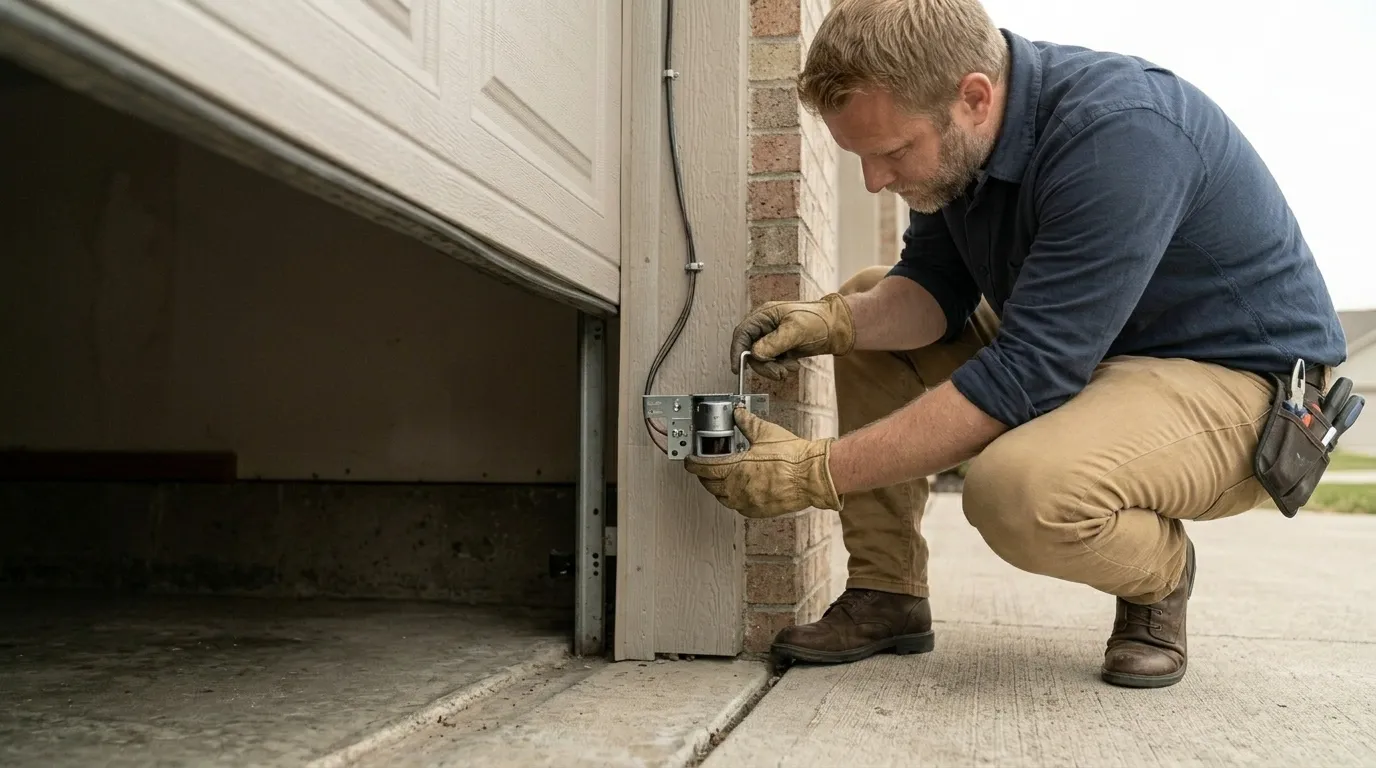
Garage Door Repair
Springs, cables, tracks, rollers, and openers fixed by a tech who explains the problem before touching anything.
Learn more →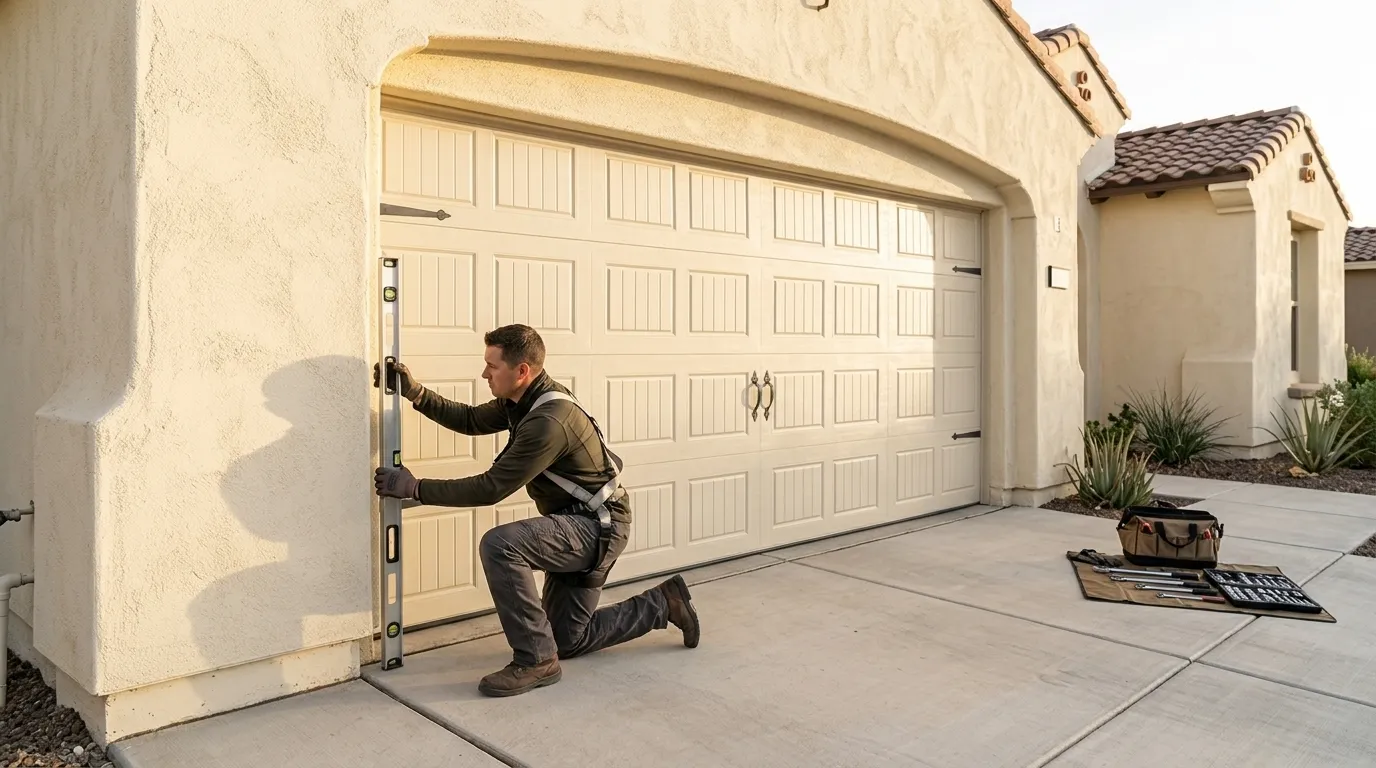
Garage Door Installation
New sectional doors sized and installed for the housing stock actually built in this area.
Learn more →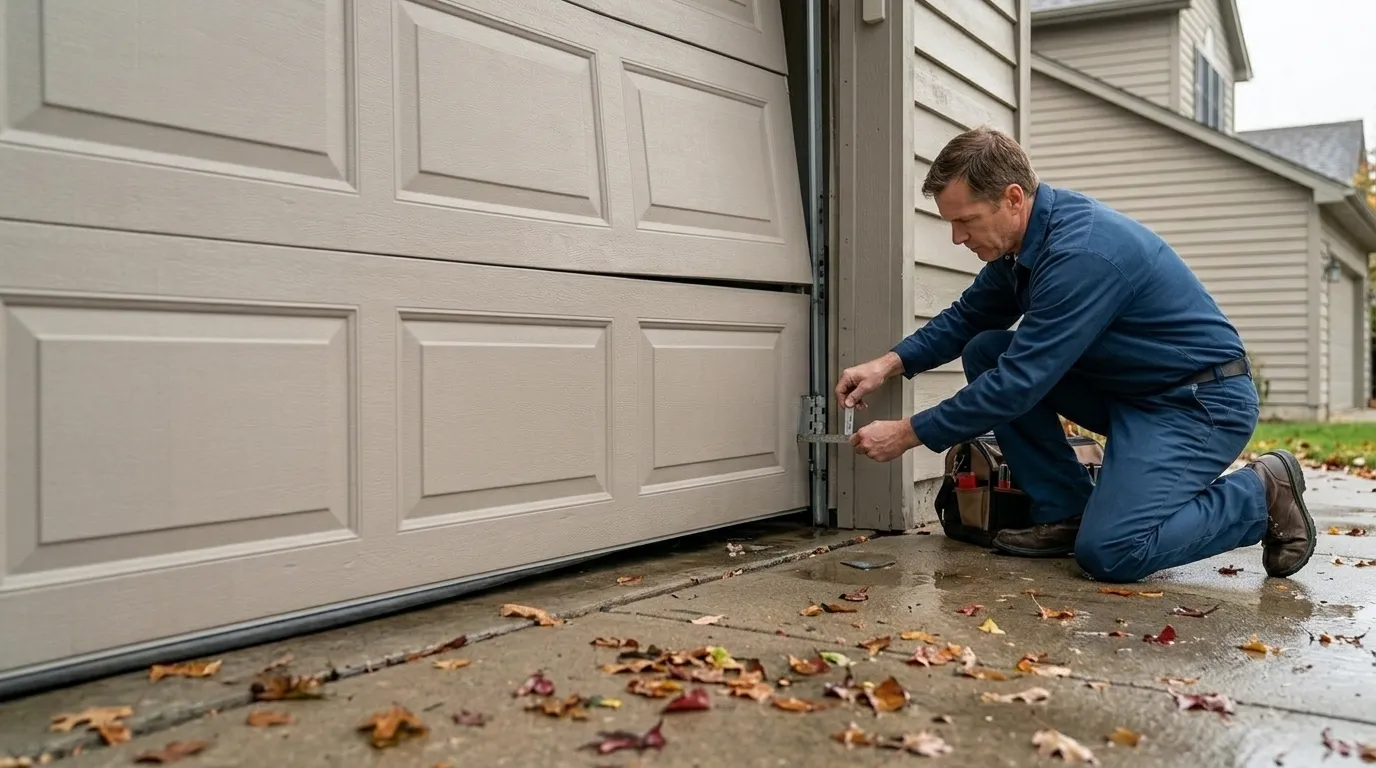
Garage Door Service
Tune-ups, lubrication, and safety checks that catch a small problem before it becomes a service call.
Learn more →Frequently Asked Questions
Does a service call include fixing the problem, or just diagnosing it?
Both, in most cases. We inspect the spring, cables, tracks, rollers, and opener as a system, then fix what's actually wrong on that visit if the parts are on the truck. On older or less common hardware, sometimes found on houses built well before the 1980s-90s wave common across Federal Way, a part may need to be ordered.
Why did my neighbor's repair cost less than mine for what sounded like the same problem?
Houses in this area span builds from 1938 to 2003, so two doors that sound alike can have different spring sizes, track widths, or opener mounts depending on when the house went up. The visit tells us which parts your door actually needs before we quote anything.
Is a service call worth it if the door still opens fine?
On a door with original hardware from a house built decades ago, yes - the cold, damp climate here corrodes cable ends and stiffens springs well before the door stops opening. A check now catches that before it becomes a call at 6am with the door stuck down.
What won't a standard service call fix?
If a door's track or spring size is old enough to be out of stock locally, the call becomes a special order and we'll tell you that lead time up front. We also won't recommend replacing hardware that's still got working life left just to round out a visit.
Have a Door That Needs a Second Opinion?
Call and describe what it is doing - we will tell you what it likely is.