
Federal Way Garage Door Guide
What an Uninsulated Garage Door Costs You in Federal Way
Federal Way homes built between 1938 and 2003, mostly in the 1980s and 90s, predate garage door insulation rules. Here's what that means for your door and your winter heat bill.
- Licensed & Insured
- Same-Area Service Calls
- Upfront Pricing
Where People Go Wrong
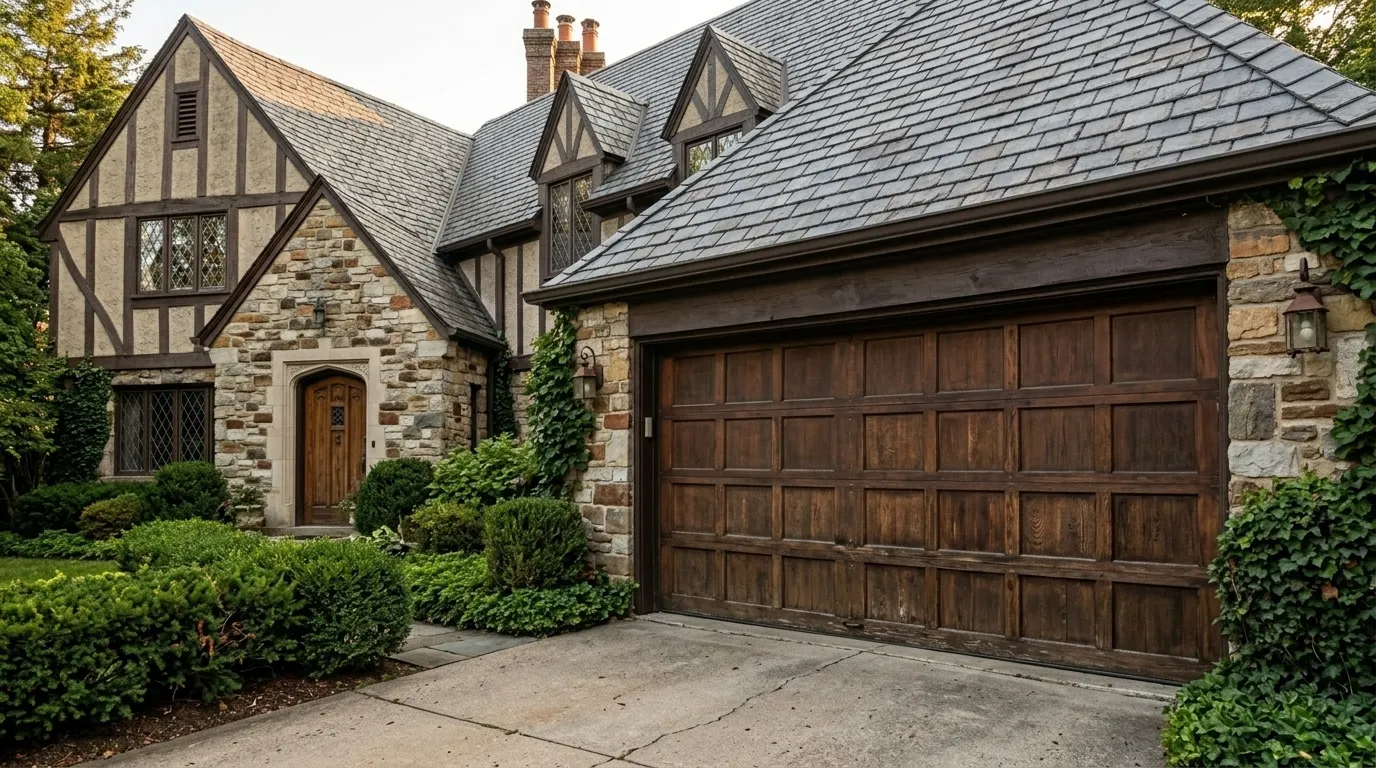
Most owners here figure their garage door is fine because the house itself isn't old. Federal Way's housing stock runs from 1938 to 2003, with the bulk of it going up in the 1980s and 90s - not exactly historic. But garage door insulation requirements didn't exist when most of that construction happened.
A house built in 1988 got whatever door the builder had on the truck, and that was almost always a single layer of steel with an air gap and nothing else. No foam core, no thermal break at the frame, no weatherseal worth the name.
The mistake is assuming a 1980s or 90s door is "newer" than it looks and therefore fine. It isn't a wear problem, it's a design problem - the door was never built to hold heat in the first place. People replace the opener, tighten the tracks, oil the rollers, and wonder why the garage still feels like the outdoors.
The door itself was never insulated to begin with, and no amount of maintenance changes that. If the garage backs onto a bedroom or a laundry room, that gap in the building envelope is doing real work against you every month, not just on the coldest nights.
What You Pay
I'm not going to hand you a number here, because I don't have a rate sheet in front of me that fits every door and every house, and guessing at a price is worse than saying nothing. What I can tell you is how the decision usually breaks down.
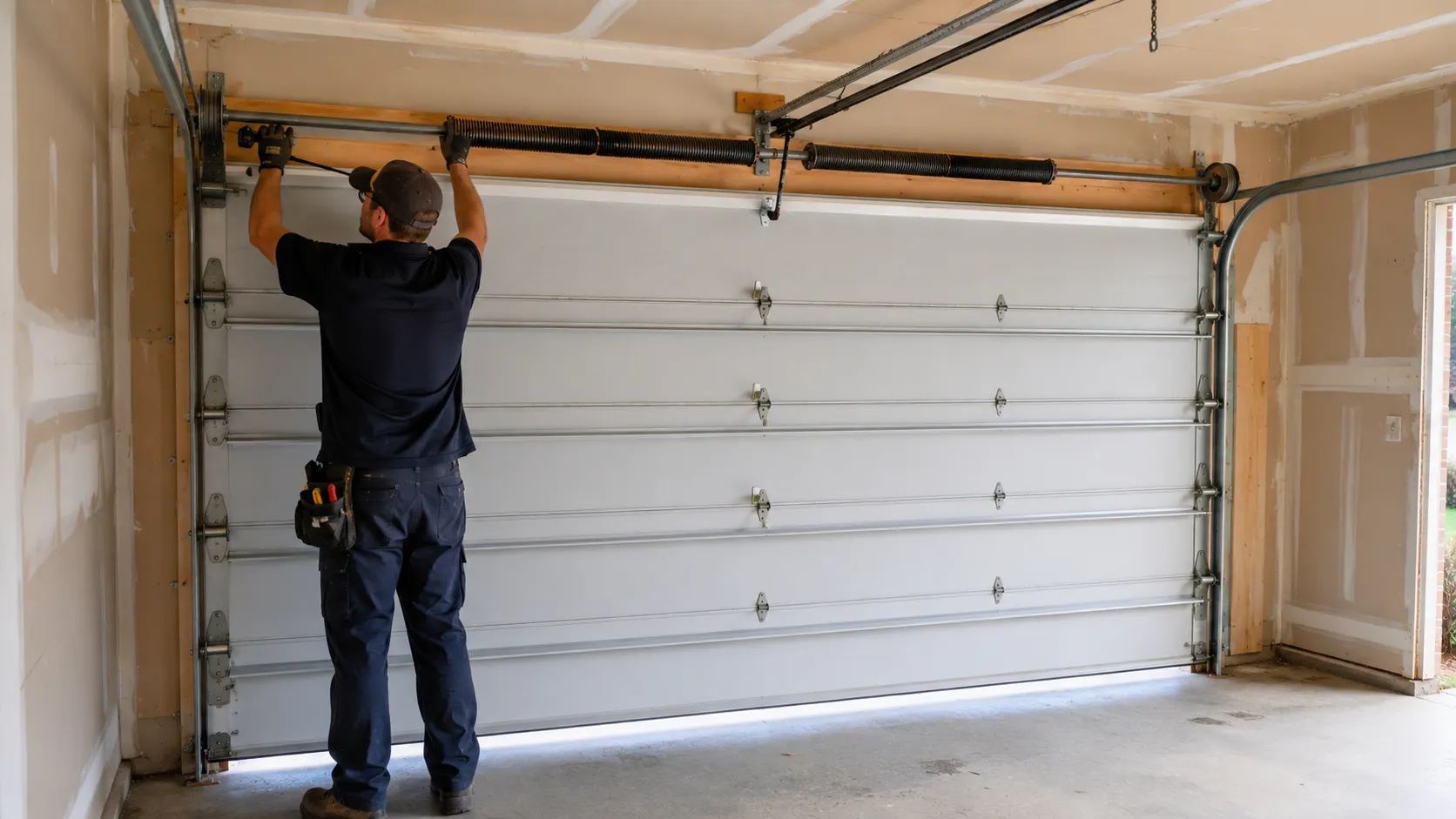
If the door itself is sound - straight panels, no rust through, hardware in decent shape - adding insulation or swapping to an insulated panel set costs less than a full replacement. If the door is original to a house from the 1938-2003 build era and the panels are already warped or the seals are gone, insulating it is throwing money at a door that's going to fail anyway.
With a median household income of $108,738 across the service area, most owners here can afford to do the job right instead of patching around it, and that changes the math toward replacement more often than not. Ask for the door assessed in person before you decide - a phone estimate on an insulation retrofit is a guess, and I'd rather tell you that than make one up.
The Situation
Federal Way's service area covers 316,256 households, and 159,518 of those are owner-occupied houses - not apartments, not rentals where someone else worries about the garage. That's a lot of individual owners sitting on doors from the same narrow build window, 1938 to 2003, median year 1984. When one house on a block needs the door redone, the house three doors down built the same decade usually needs the same thing, just hasn't noticed yet.
This matters because it means the fix isn't a one-off oddity, it's a pattern tied to when this area got built out. The 54 named areas that make up this housing stock mostly went up in that same 1980s-90s stretch, so the insulation gap isn't a quirk of one street, it's baked into how the whole region was constructed before anyone wrote insulation into the code for this kind of door. If your neighbor just had their door redone, ask them what they found - odds are it's close to what's behind yours.
What the Weather Here Does to It
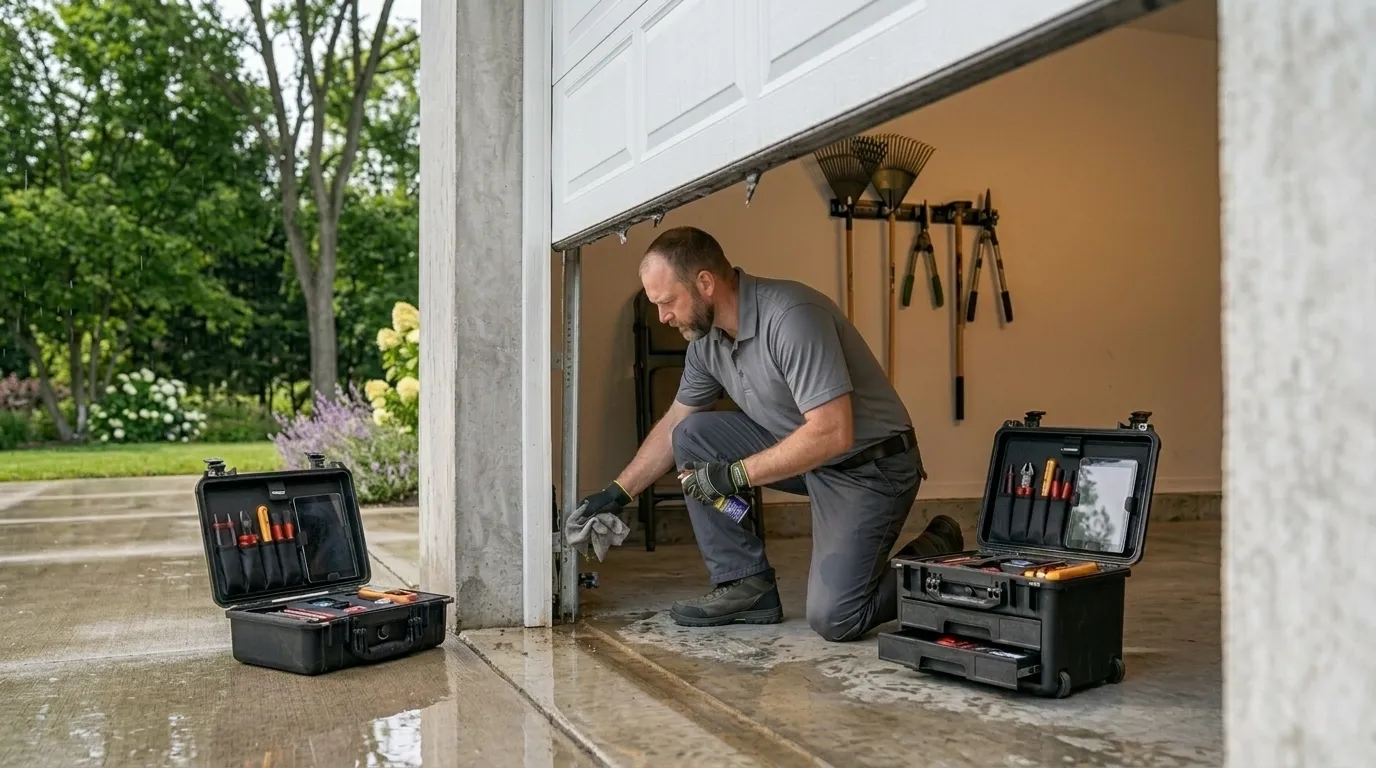
Federal Way sits in a cold-moderate climate band, not brutal, but consistent enough to matter over a winter. That's the part an uninsulated steel door can't handle well.
Damp mornings followed by a colder night mean the door skin cools and warms daily, and a single layer of steel has nothing to buffer that swing. Condensation forms on the inside face, drips onto the track, and over a season that's what starts rust at the bottom rollers and pitting on the hinges.
It's also what pushes a panel out of true. Steel expands and contracts with the swing, and a door with no insulation layer to slow that movement flexes more than an insulated one would.
On a door already twenty or thirty years old - which describes a lot of the 1980s and 90s stock here - that flexing is often what finally cracks a weld or pops a panel seam that had been holding on by habit. None of this happens overnight.
How We Can Help
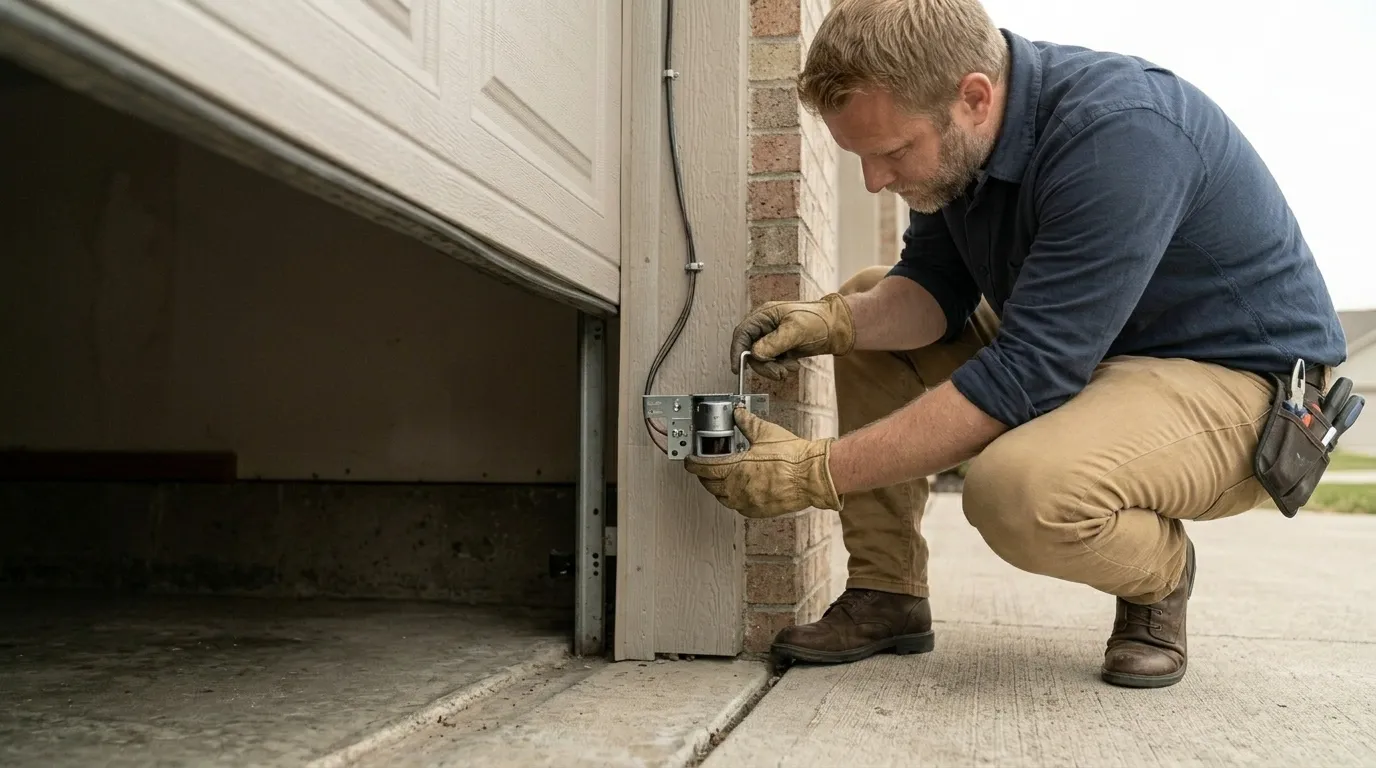
Garage Door Repair
Springs, cables, tracks, rollers, and openers fixed by a tech who explains the problem before touching anything.
Learn more →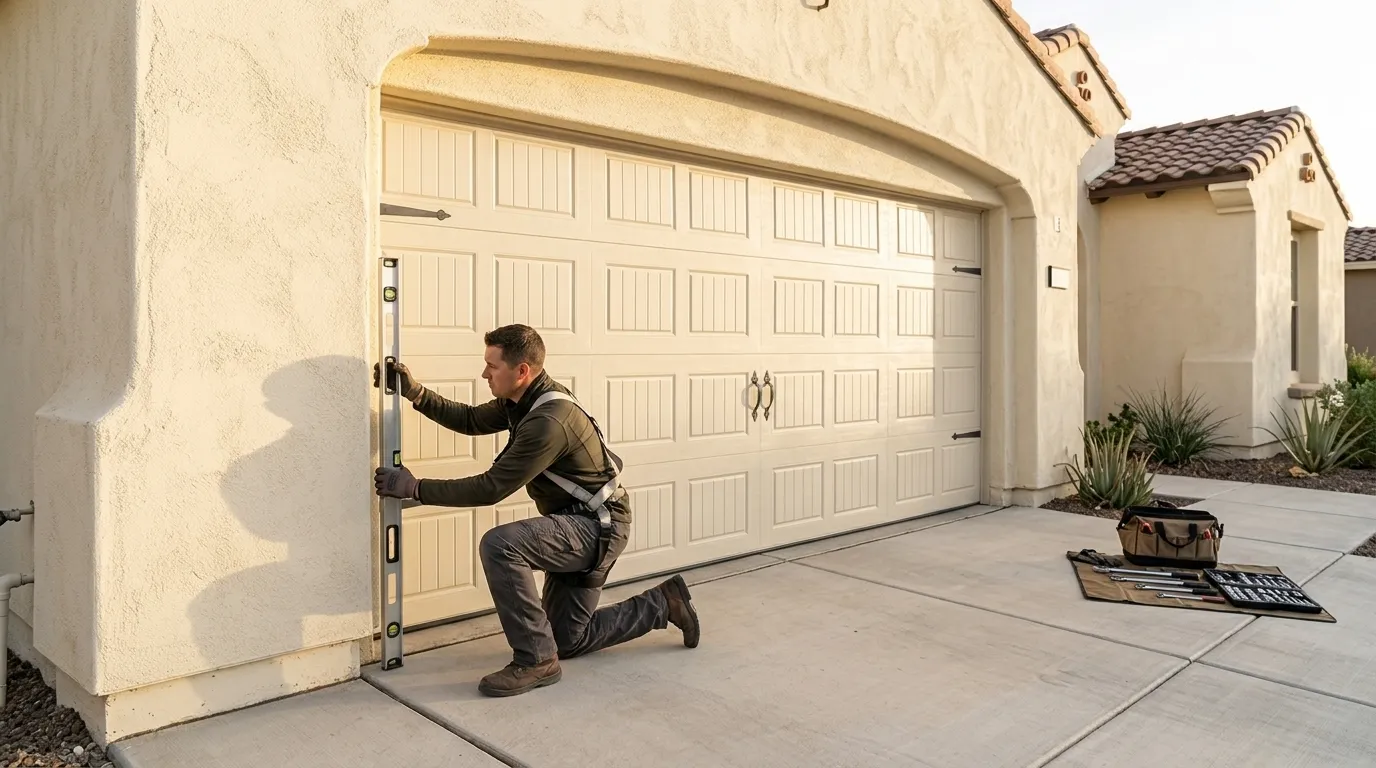
Garage Door Installation
New sectional doors sized and installed for the housing stock actually built in this area.
Learn more →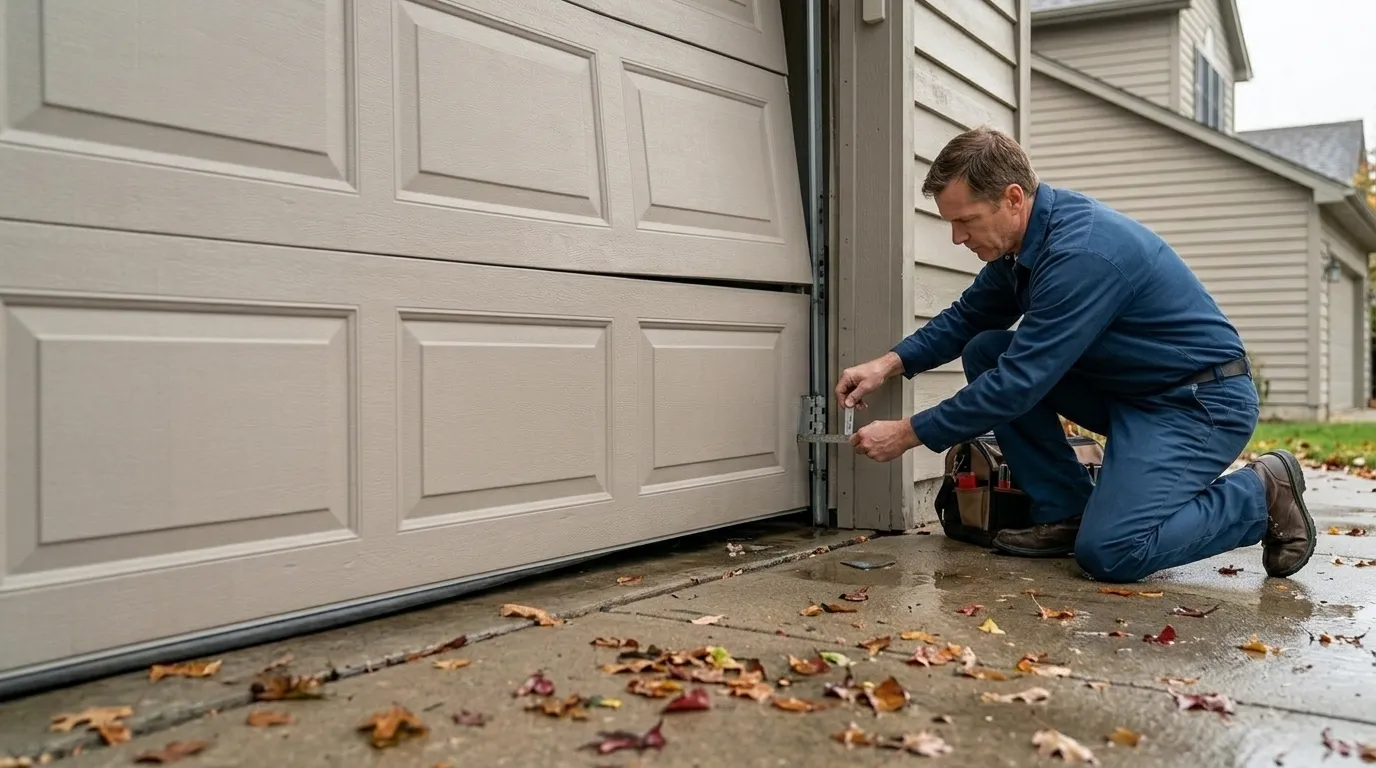
Garage Door Service
Tune-ups, lubrication, and safety checks that catch a small problem before it becomes a service call.
Learn more →Frequently Asked Questions
How do I know if my garage door has insulation?
Look at the inside face of the panel. If you see a flat steel back with no white or gray foam board and no ridged backing, it's uninsulated. Most houses in this area built in the 1980s and 90s originally shipped with that plain steel design, since insulation wasn't required in residential garage doors when they were put up.
Is it worth insulating an old door instead of replacing it?
Depends on the door's condition, not its age alone. If the panels are straight and the hardware is sound, an insulation kit can help. If the door is already warped or the seals are shot - common on original doors from the 1938-2003 build era - you're better off putting that money toward a new insulated door instead.
Why does my garage feel cold even with a new opener?
The opener has nothing to do with heat loss. It's the door panel itself. A house built in this area's median year of 1984 almost certainly has its original steel door, and that door was never designed to hold heat, regardless of how new the motor running it is.
Have a Door That Needs a Second Opinion?
Call and describe what it is doing - we will tell you what it likely is.