
Federal Way Garage Door Guide
Detached and Attached Garages Age Differently Here
How Federal Way's 1938-2003 housing stock and cold-moderate climate change what you need from a detached versus an attached garage door, and what that means for repair calls.
- Licensed & Insured
- Same-Area Service Calls
- Upfront Pricing
Where People Go Wrong
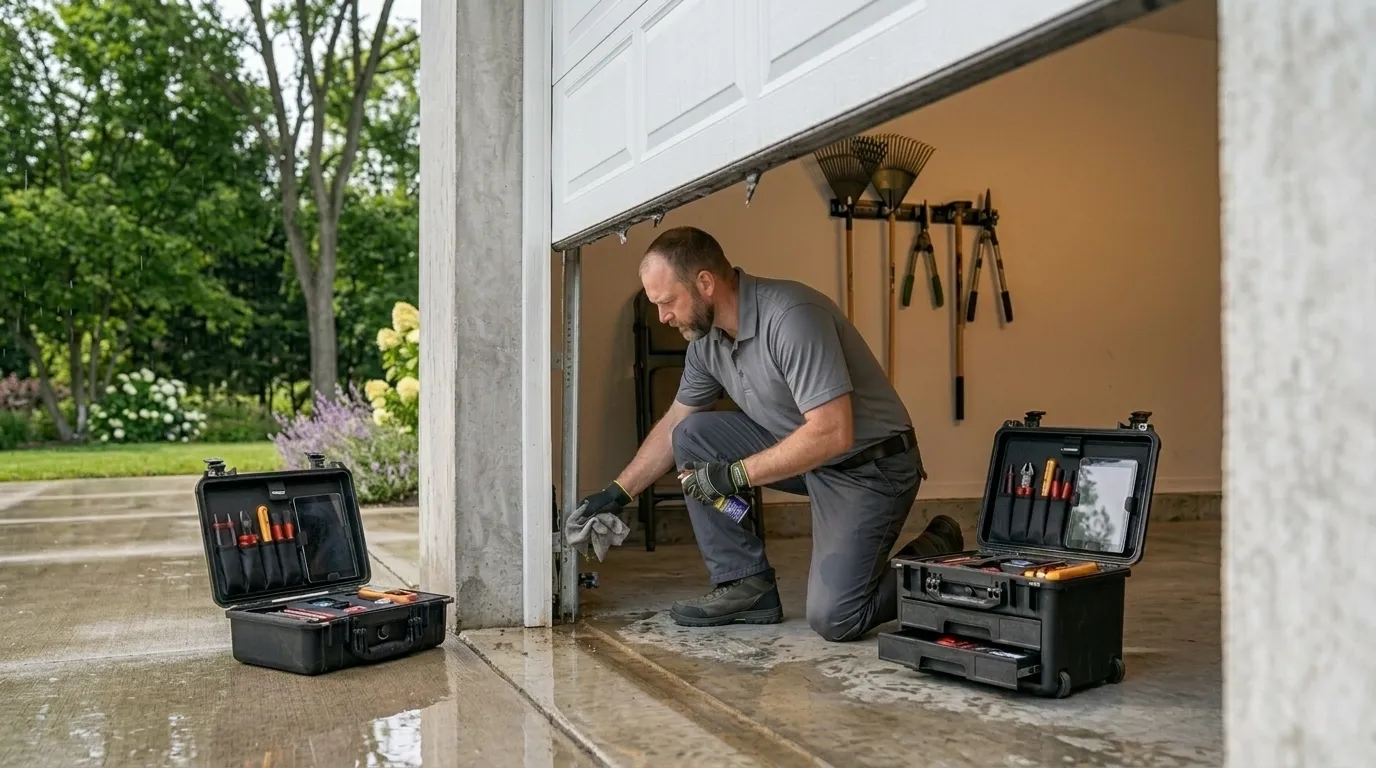
The mistake we see most in Federal Way is treating every garage door call the same, whether the garage is a standalone structure out back or built into the house. Federal Way's housing stock runs from 1938 to 2003, with a median build year of 1984, and across the wider service area most of what's out there dates to the 1980s and 90s. That split matters.
A detached garage from the older end of that range was often framed as an afterthought - unheated, uninsulated, single wall construction, with a door hung on hardware nobody's touched since it went up. An attached garage from the 80s/90s boom shares a wall and sometimes a ceiling cavity with the living space, so the door itself is part of the house's thermal envelope, not just a box for the car. Owners call about a noisy door or a slow opener and assume the fix is the same either way.
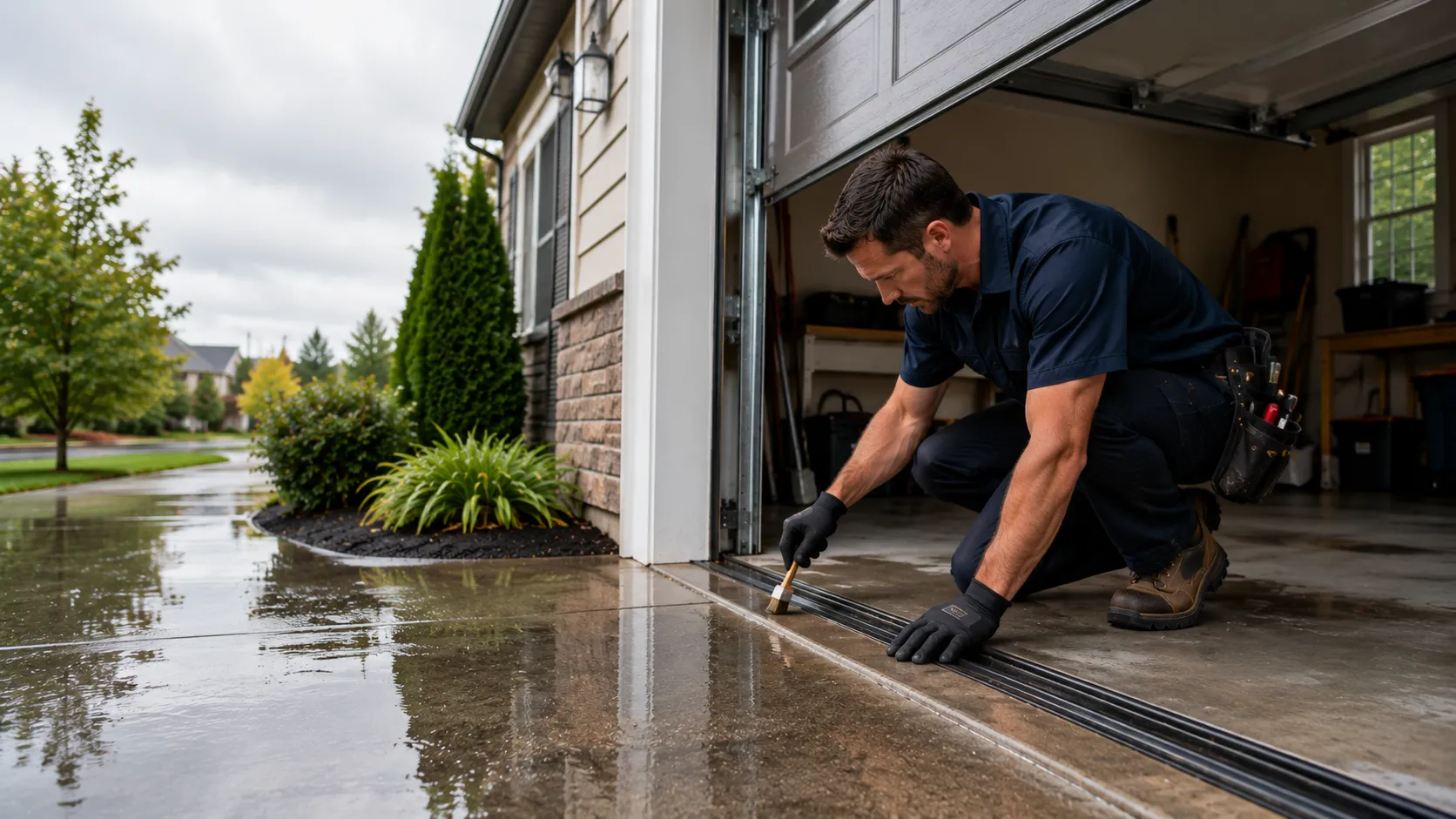
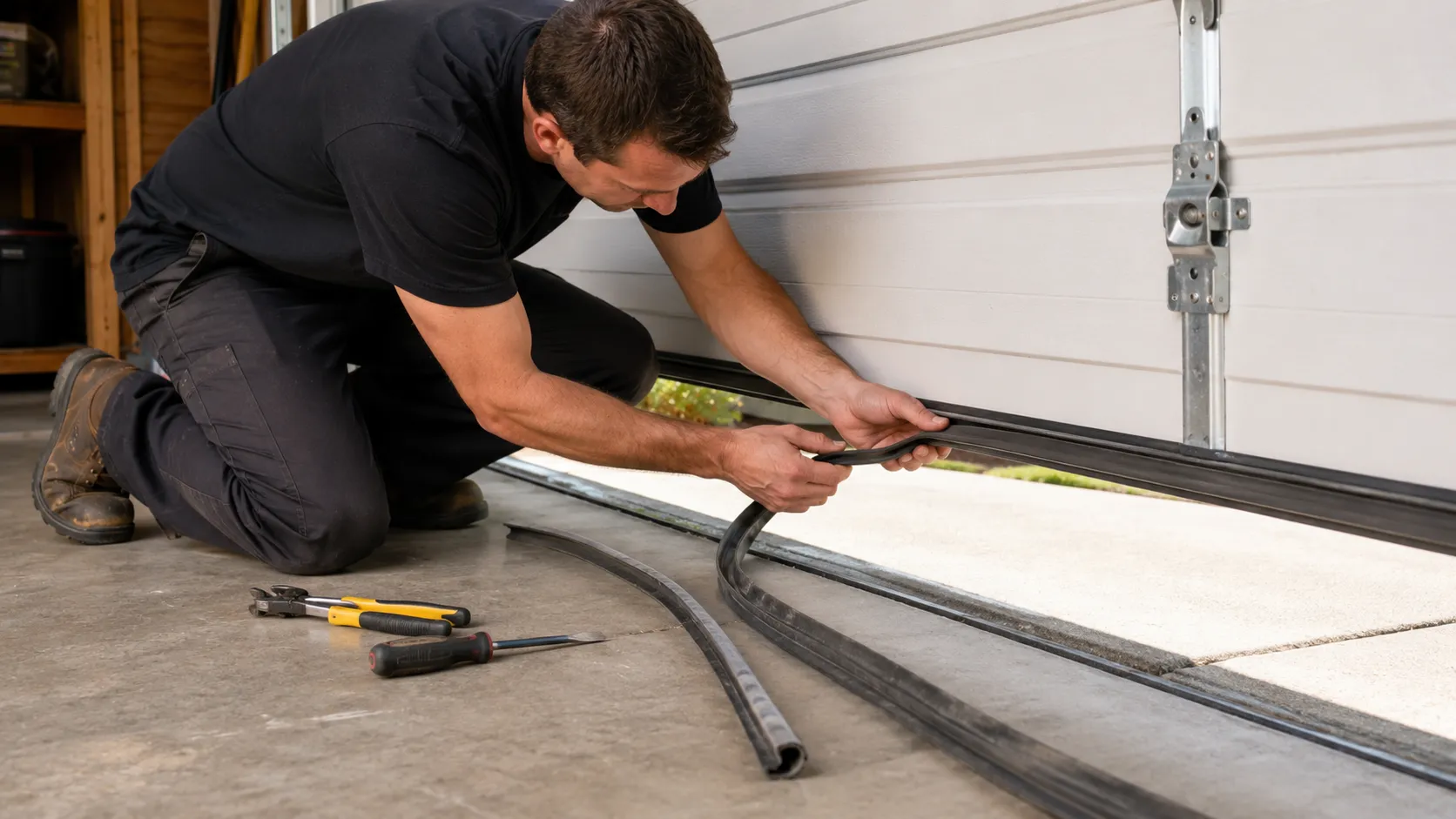
It usually isn't. On an attached door we're also checking the seal against the house - weatherstripping, bottom seal, sometimes the header flashing - because that door is doing double duty as an exterior wall. On a detached structure, none of that applies; it's simpler mechanically but the hardware is often older and harder to source parts for.
We'll tell you straight which situation you're in before we quote anything.
What You Pay
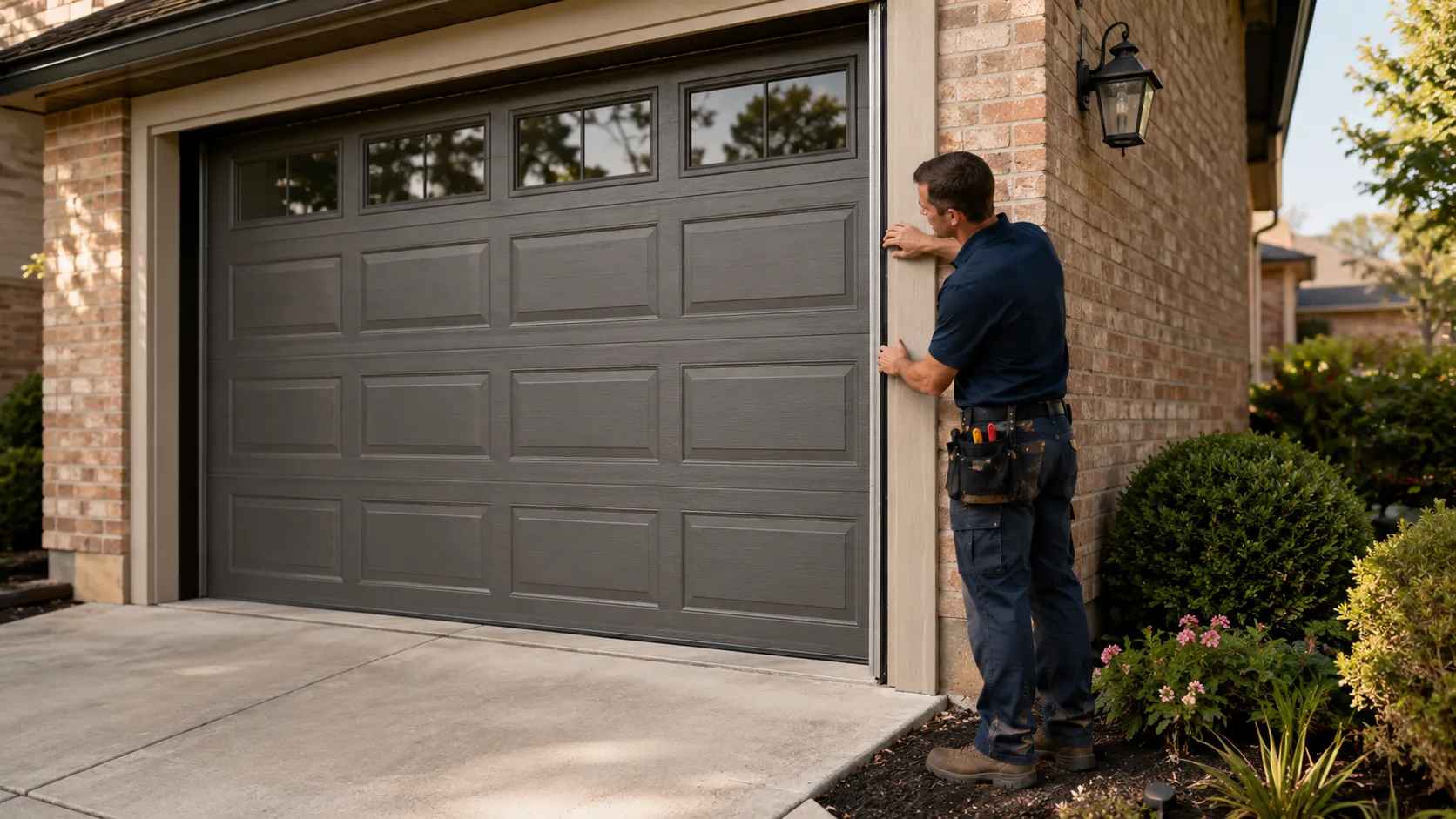
We're not going to hand you a number here that doesn't apply to your door, but the honest version is that detached and attached garages don't cost the same to work on, and it's not about the door panel. On a detached structure built in the older part of Federal Way's 1938-2003 range, the labor is often in dealing with obsolete track hardware or a header that's shifted over decades - nothing exotic, just old. On an attached garage from the 1980s-90s stock that makes up most of the area, the extra cost usually comes from insulation value and the seal against the house, since that door is part of the wall between your car and your living space.
A double door pulls more than a single. An insulated steel door pulls more than an uninsulated one. None of that is Federal Way-specific pricing - we don't have exact figures to hand you here - but the reason attached-garage jobs on newer stock often run higher than a bare detached replacement is real, and it's the insulation and seal work, not the brand of door.
Ask for a written breakdown before you sign anything, and be suspicious of a quote that doesn't separate labor from materials.
The Situation
Federal Way's service area covers a wide mix of housing ages - homes going up as early as 1938, others as recent as 2003, with the median landing at 1984. That means on any given street you can find a detached garage from the older wave standing next to an attached two-car garage from a 1990s build. Across the broader area, which spans dozens of named neighborhoods, the 1980s and 90s account for most of what's actually out there.
With roughly 159,518 owner-occupied houses spread across that footprint, a meaningful share still carry the older detached, unheated layout that predates the attached-garage-as-standard era. If your house went up before the 80s boom hit this area, there's a real chance your garage is a separate structure with its own aging hardware, not a room-adjacent bay with insulation built in. That distinction is the first thing worth knowing before you decide whether a repair or a full swap makes sense - the two situations call for different answers, and neither is automatically the cheaper one.
What the Weather Here Does to It
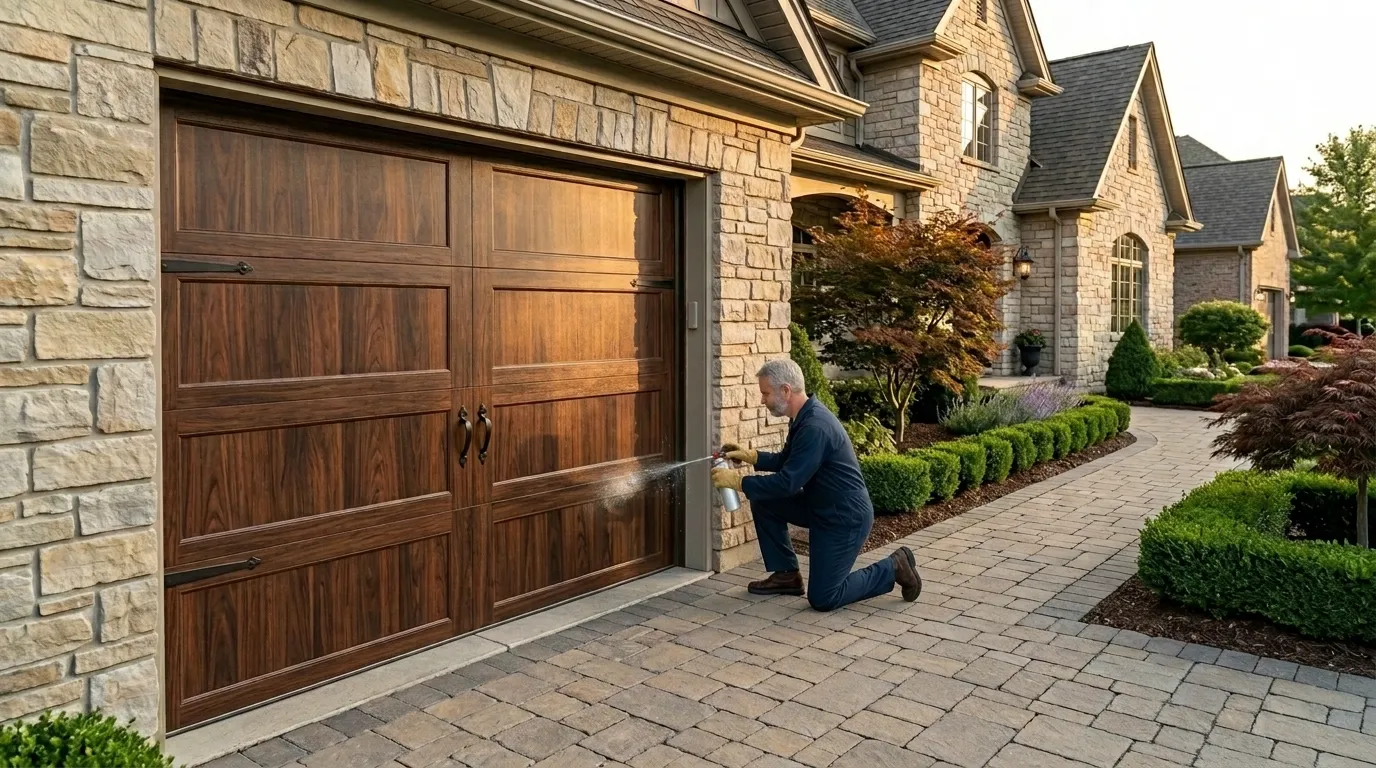
Federal Way sits in a cold-moderate climate band - not the deep freezes you'd get further inland, but enough seasonal swing to matter for a garage door that's been sitting since the 80s or 90s. On a detached garage with no heat source, moisture builds up on an uninsulated steel door and the roller tracks corrode faster than anyone expects for a
How We Can Help
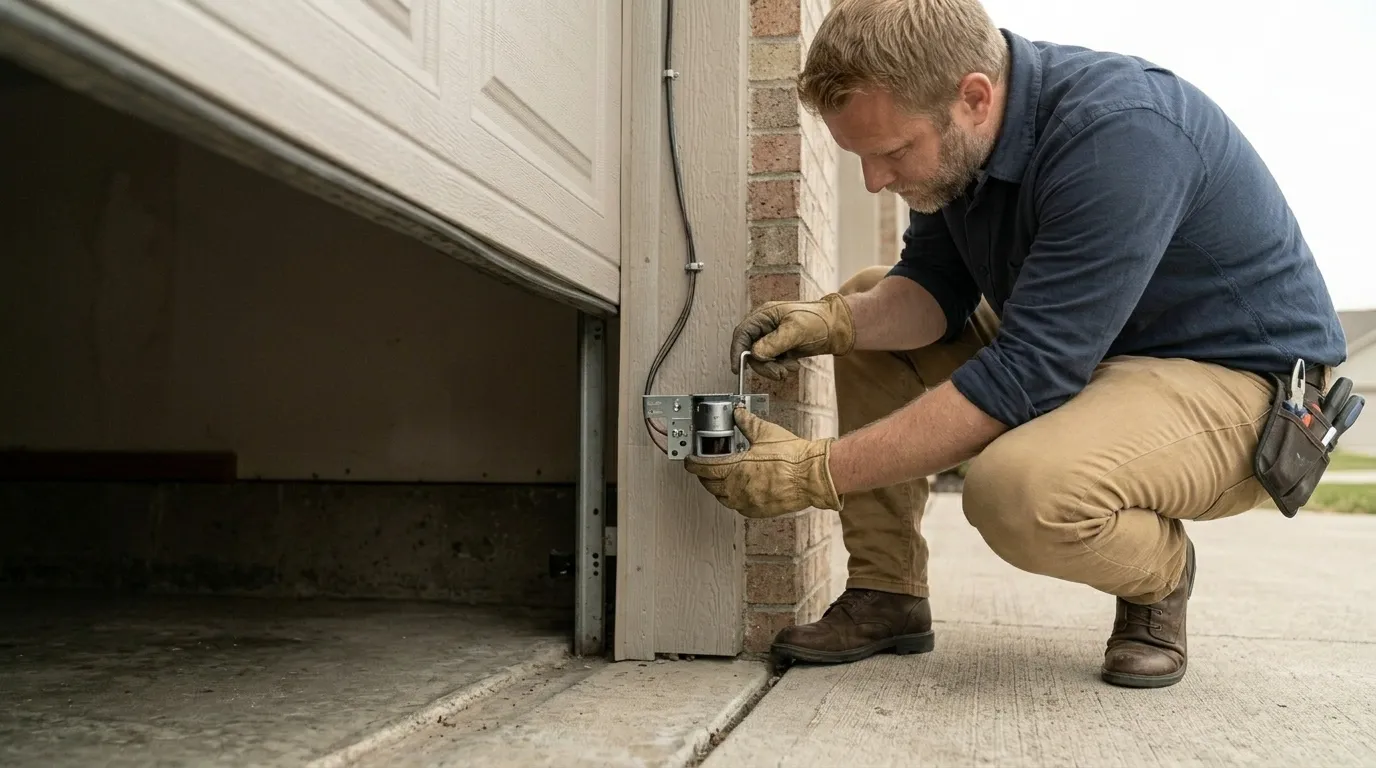
Garage Door Repair
Springs, cables, tracks, rollers, and openers fixed by a tech who explains the problem before touching anything.
Learn more →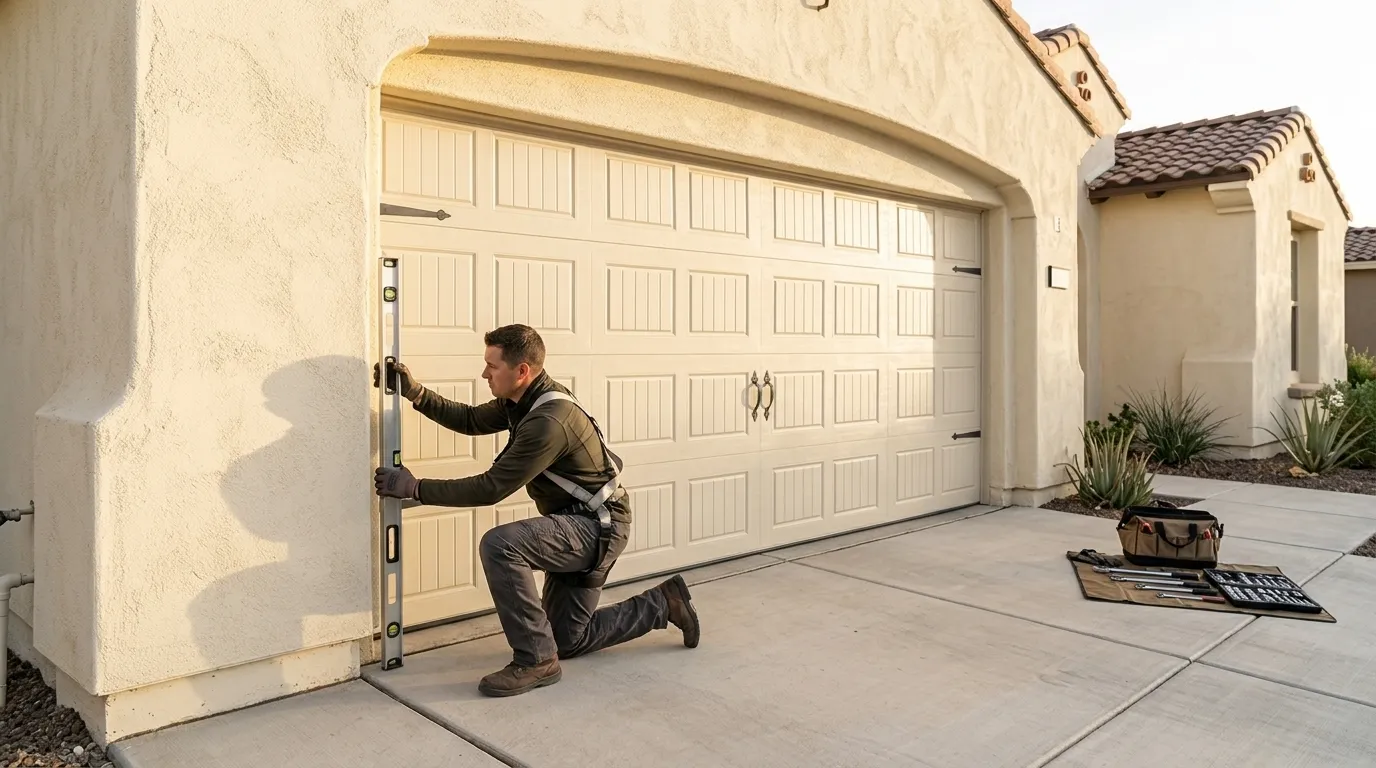
Garage Door Installation
New sectional doors sized and installed for the housing stock actually built in this area.
Learn more →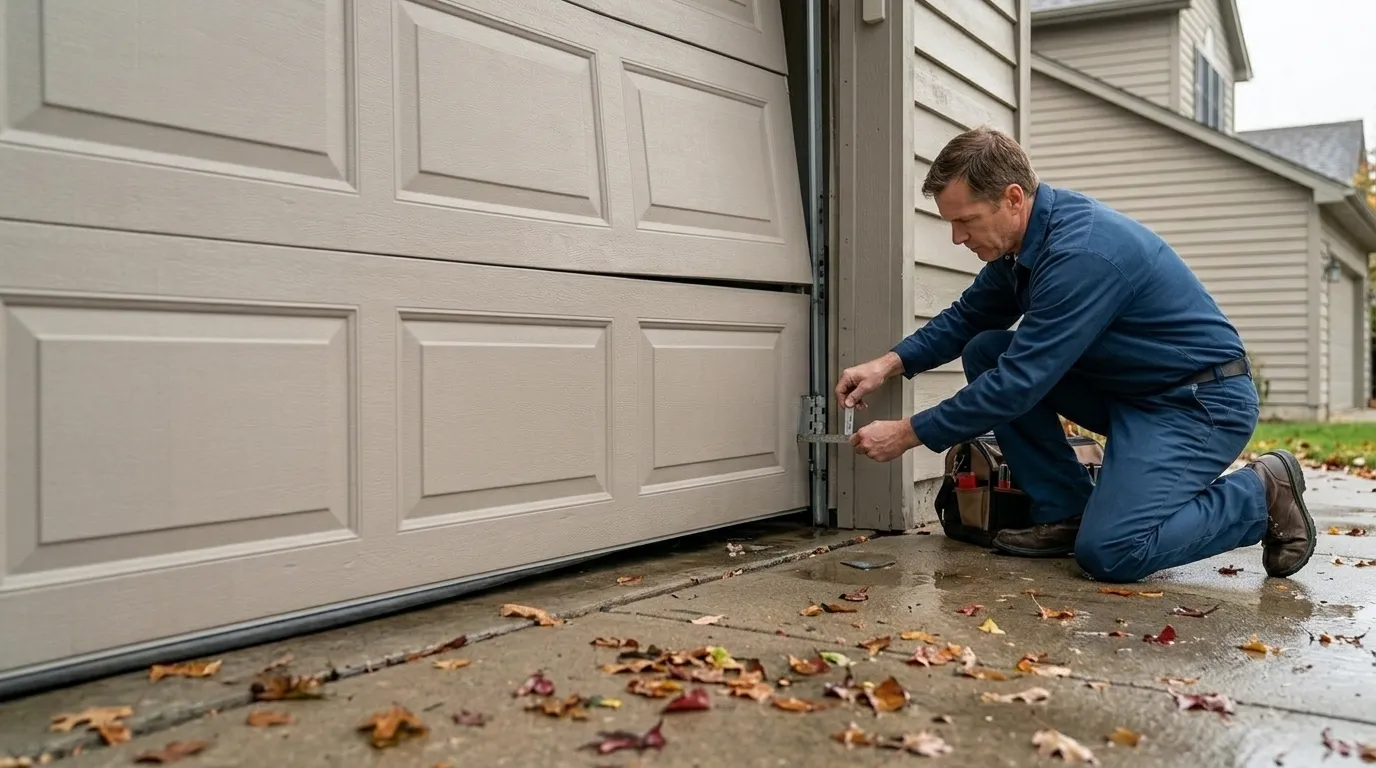
Garage Door Service
Tune-ups, lubrication, and safety checks that catch a small problem before it becomes a service call.
Learn more →Frequently Asked Questions
Does an attached garage door need to be insulated in Federal Way?
If the garage shares a wall with living space, an uninsulated door is a direct thermal leak into the house, which matters more in Federal Way's cold-moderate climate than people assume. It won't freeze pipes, but it does mean a colder adjacent room and a harder-working furnace. Detached garages don't carry that same urgency since there's no living space on the other side of the wall.
Why does my detached garage door stick more in winter than my neighbor's attached one?
A detached structure has no heat bleeding into it from the house, so the wood or steel frame and the door hardware sit closer to outside temperature year-round. Combined with Federal Way's damp cold-moderate winters, that means more moisture on tracks and rollers, which is the usual cause of sticking or grinding on older detached setups.
Is it worth replacing an old detached garage door instead of repairing it?
Depends on the age and hardware. If your house is on the older end of the 1938-2003 range common here, parts for the original track and spring setup can be hard to source. At some point, a full door and hardware swap costs less in labor than chasing discontinued parts for a repair.
Have a Door That Needs a Second Opinion?
Call and describe what it is doing - we will tell you what it likely is.