
Federal Way Garage Door Guide
Why Your Garage Door Sensors Keep Drifting Out of Line
Federal Way's 1938-2003 housing stock and cold-moderate winters knock garage door safety sensors out of alignment. Here's why, and what actually fixes it.
- Licensed & Insured
- Same-Area Service Calls
- Upfront Pricing
Where People Go Wrong
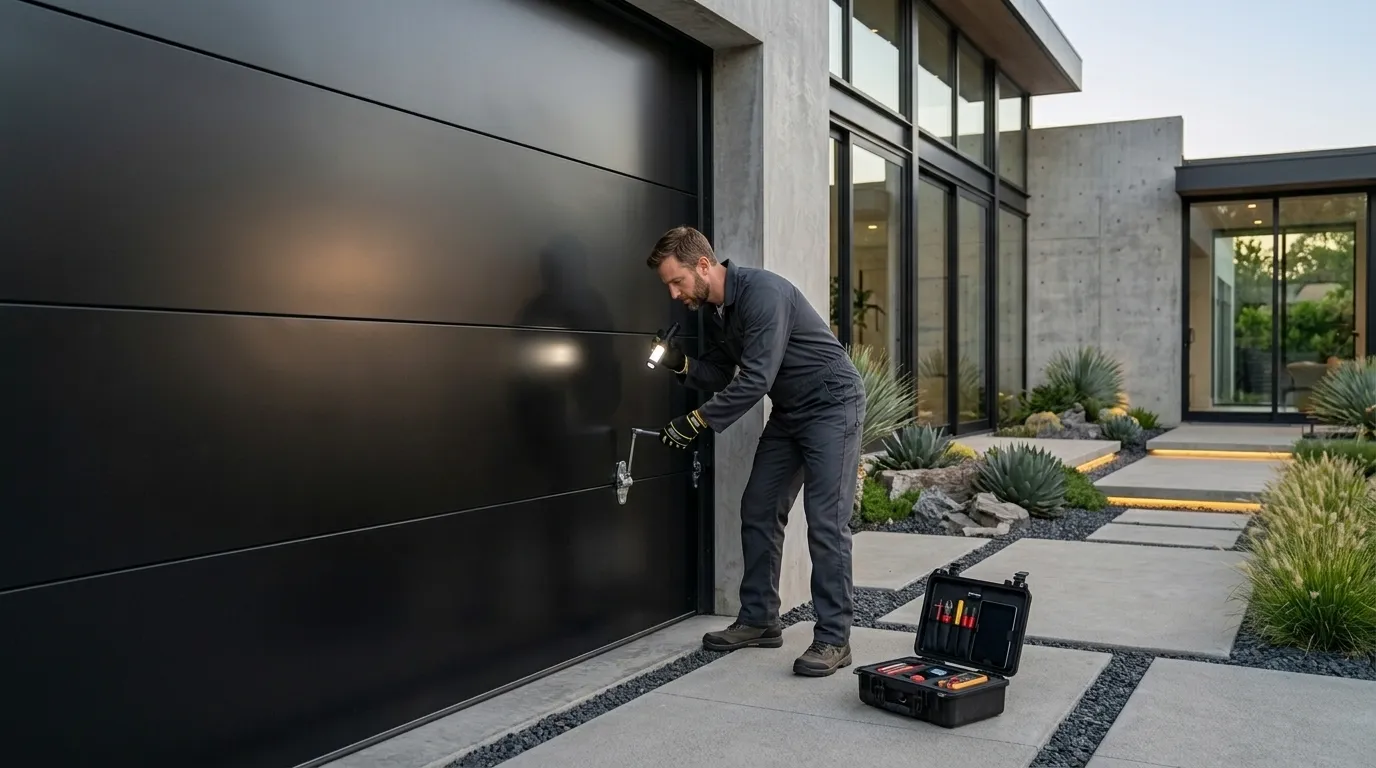
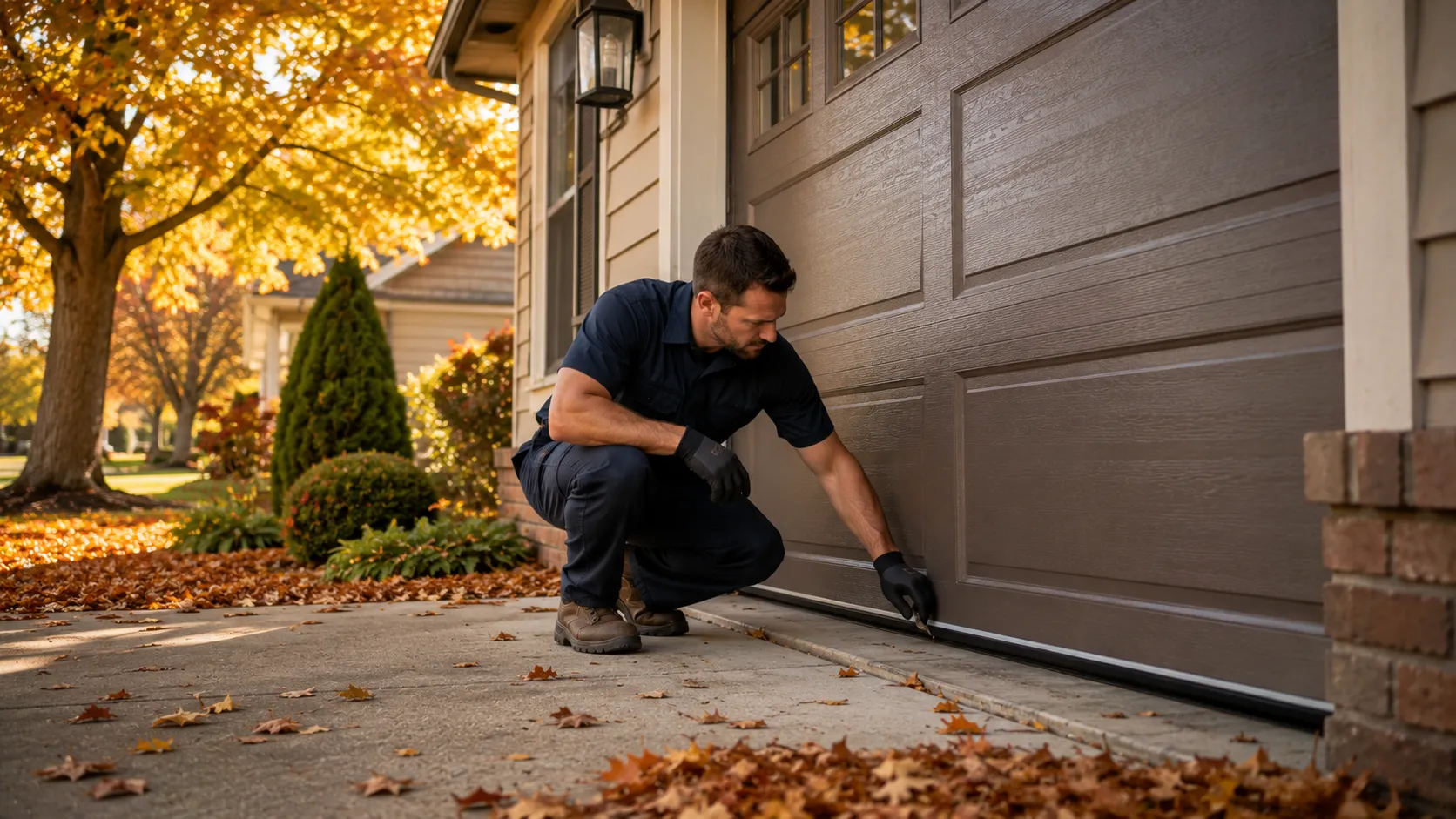
The most common mistake we see is homeowners chasing the wrong problem. A door that reverses or won't close gets blamed on the opener logic board, when nine times out of ten it's the two small sensor eyes mounted a few inches off the garage floor. Most garages in Federal Way went up between 1938 and 2003, with the typical build year sitting around 1984, so the sensor brackets you're dealing with are often the originals - thin steel or aluminum tabs bolted to a track that's been through forty winters of expansion and contraction.
People re-aim the sensors, get a solid light, and think the job's done. It isn't. If the bracket itself has bent or the concrete slab under it has settled even a quarter inch, the sensors will drift back out within weeks.
Tightening the wing nut without checking the bracket for flex is patching a symptom, not the cause. The second mistake is ignoring a sensor that blinks intermittently instead of staying solid red or green. Intermittent is worse than dead - it means the alignment is right on the edge, and it'll fail on the coldest morning of the year, not the mildest one.
What You Pay
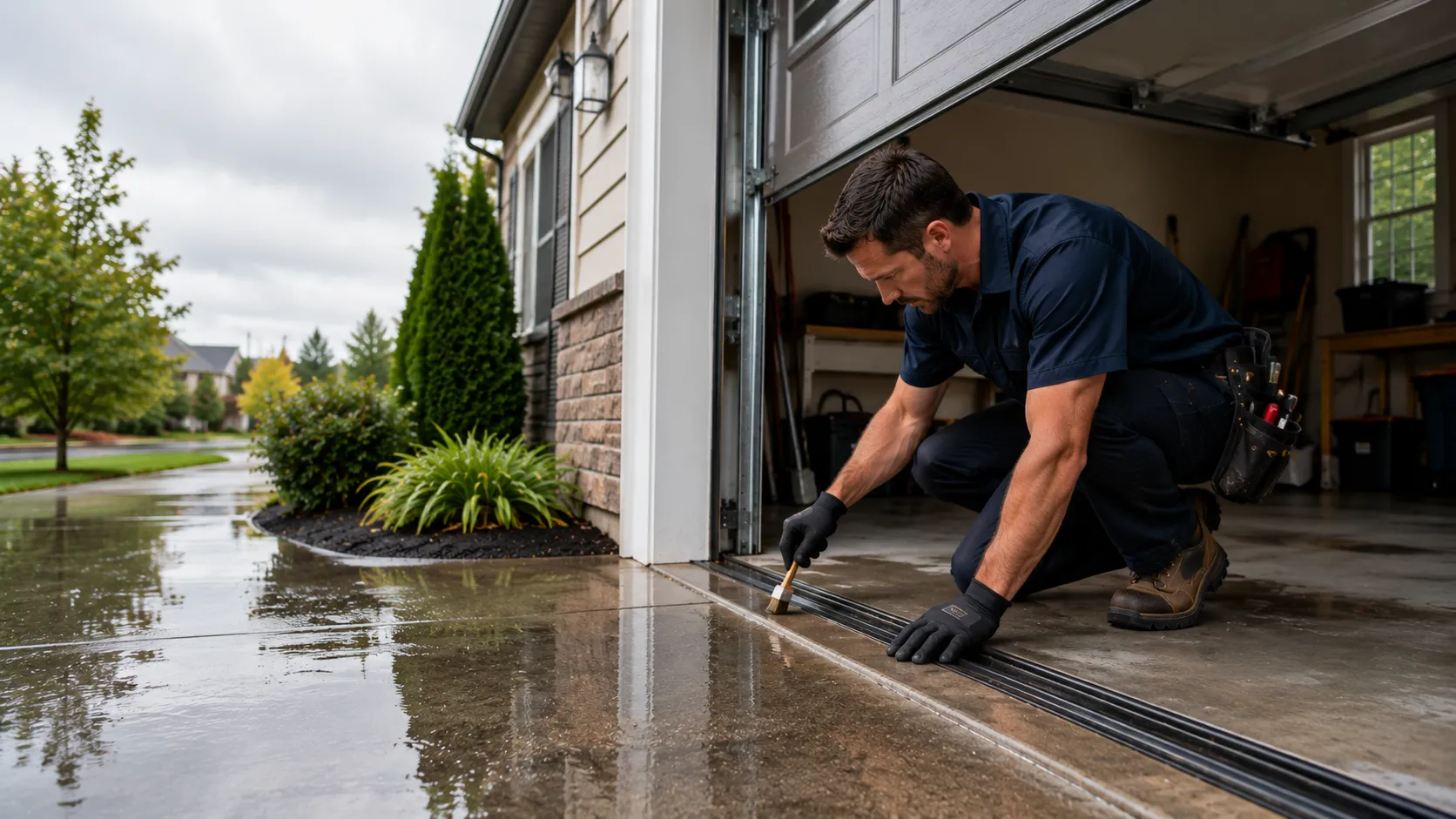
We don't have a flat number to quote here, and giving you a made-up figure would do you a disservice. What we can tell you is what drives the cost up or down. A straightforward re-align of two working sensors on an intact bracket is a short visit.
A full sensor eye replacement costs more because you're swapping the wiring harness along with the eye. If the bracket is bent or the mounting point in the slab has cracked - which we see more often in homes near the older end of that 1938-2003 build range - the job runs longer because we're fabricating a new mount rather than reusing the old one. Homeowners across this service area, where median household income runs $108,738, generally opt to replace the sensor pair outright rather than keep re-aligning a bracket that's going to keep drifting.
That's not a sales pitch, it's just the math on labor versus a $20-40 part most times it comes up.
The Situation
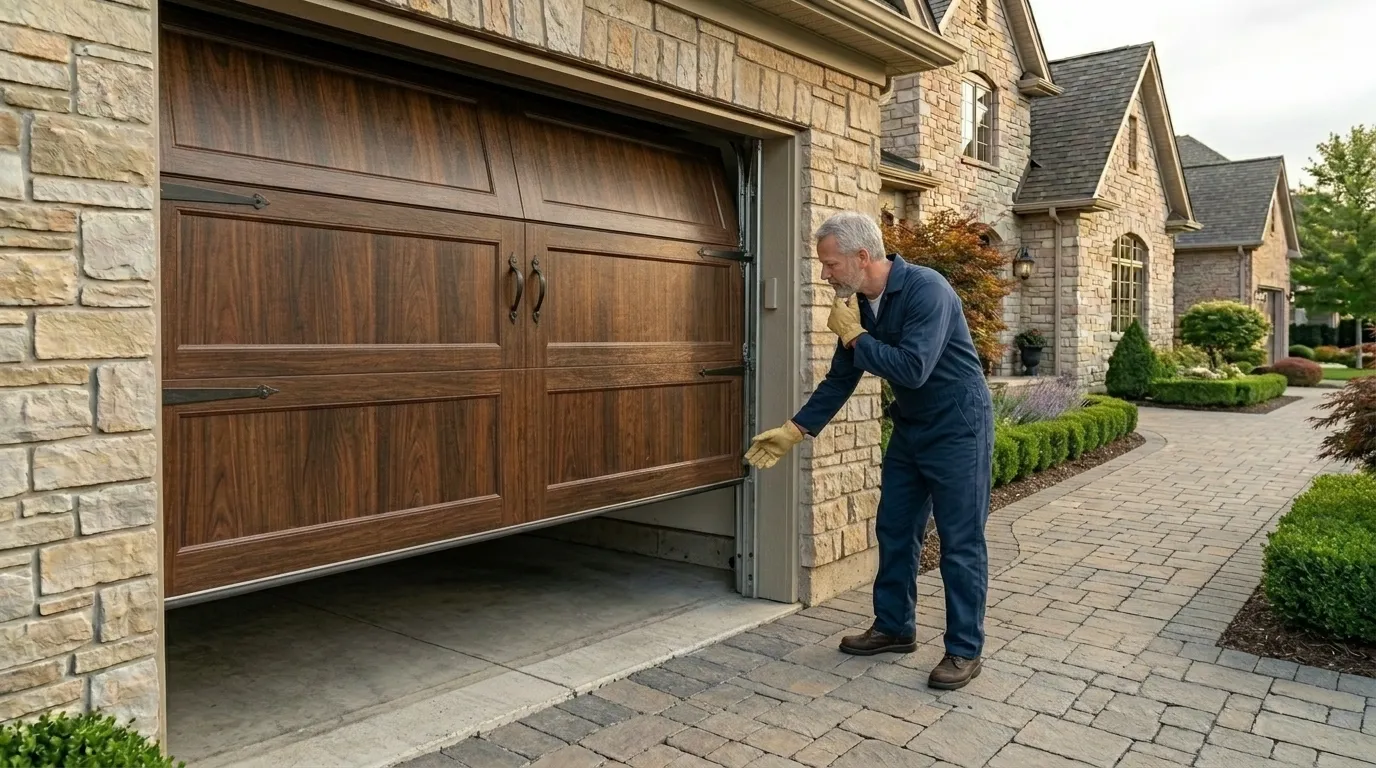
Federal Way's garage stock skews toward the 1980s and 90s, matching the broader pattern across the 54 named areas in this part of the service region, including neighborhoods near Lakeland North three miles out and toward the Milton line four miles south. Garages built in that window standardized on sensor brackets mounted low, roughly six inches off the slab, wired back to a wall-mounted opener unit. That placement made sense in 1985.
Thirty-plus years later, it means the sensors sit exactly where lawn mower vibration, a dropped garden tool, or a car bumper nudging the bracket does the most damage. Across the service area's 316,256 households, 159,518 are owner-occupied houses - the kind with an attached garage where this sensor drift shows up as a seasonal complaint rather than a one-time fix. If your house falls into that older half of the build range, closer to 1938 than 2003, there's a decent chance the sensor wiring itself is original too, and a visual check on the insulation jacket is worth doing before you assume the eyes are the only problem.
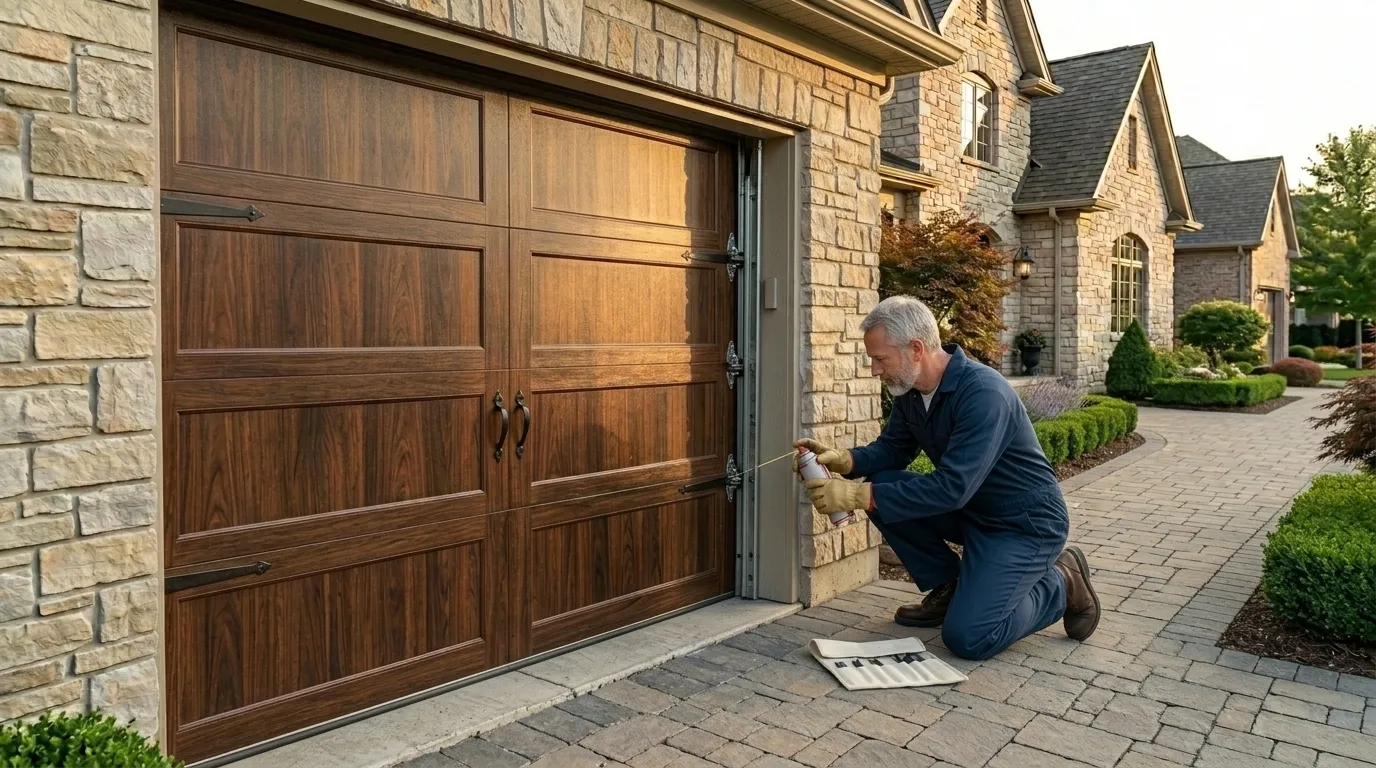
What the Weather Here Does to It
Federal Way sits in a cold-moderate climate band, not the deep-freeze conditions some regions get, but enough temperature swing through the winter months to matter. Aluminum and steel brackets contract in the cold and expand back in a January thaw, and that repeated flex is what walks a sensor out of alignment over a season rather than all at once. It's rarely dramatic - you won't wake up to a door that won't close.
It's gradual: the light goes from solid to flickering to dead over a few cold snaps. Moisture plays a part too. Condensation on the sensor lens on a cold morning can throw off the beam just enough to trip a false reversal, which homeowners often mistake for a wiring fault when it clears up an hour later as the garage warms.
We can't stop the freeze-thaw cycle, and honestly, no bracket upgrade eliminates the drift entirely - it just slows how often you need to come back out and reset it.
How We Can Help
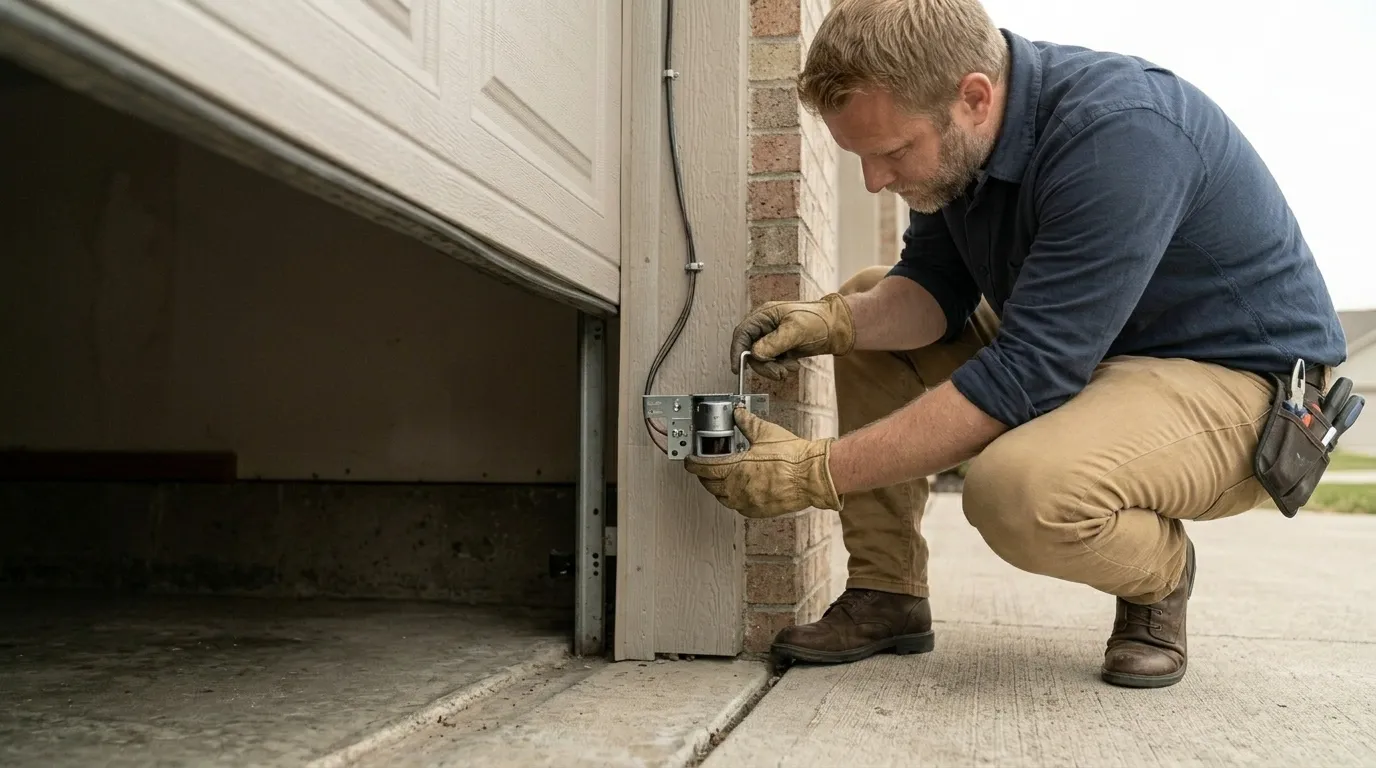
Garage Door Repair
Springs, cables, tracks, rollers, and openers fixed by a tech who explains the problem before touching anything.
Learn more →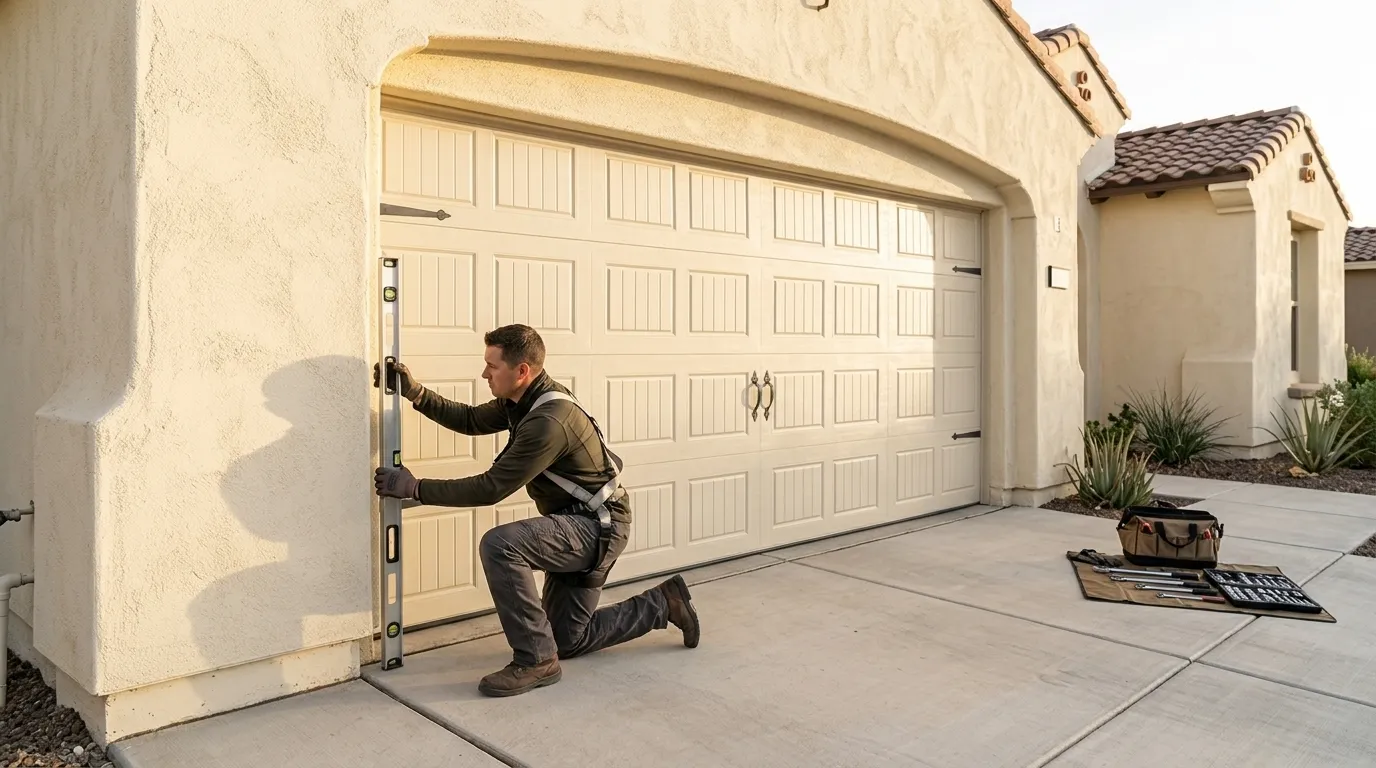
Garage Door Installation
New sectional doors sized and installed for the housing stock actually built in this area.
Learn more →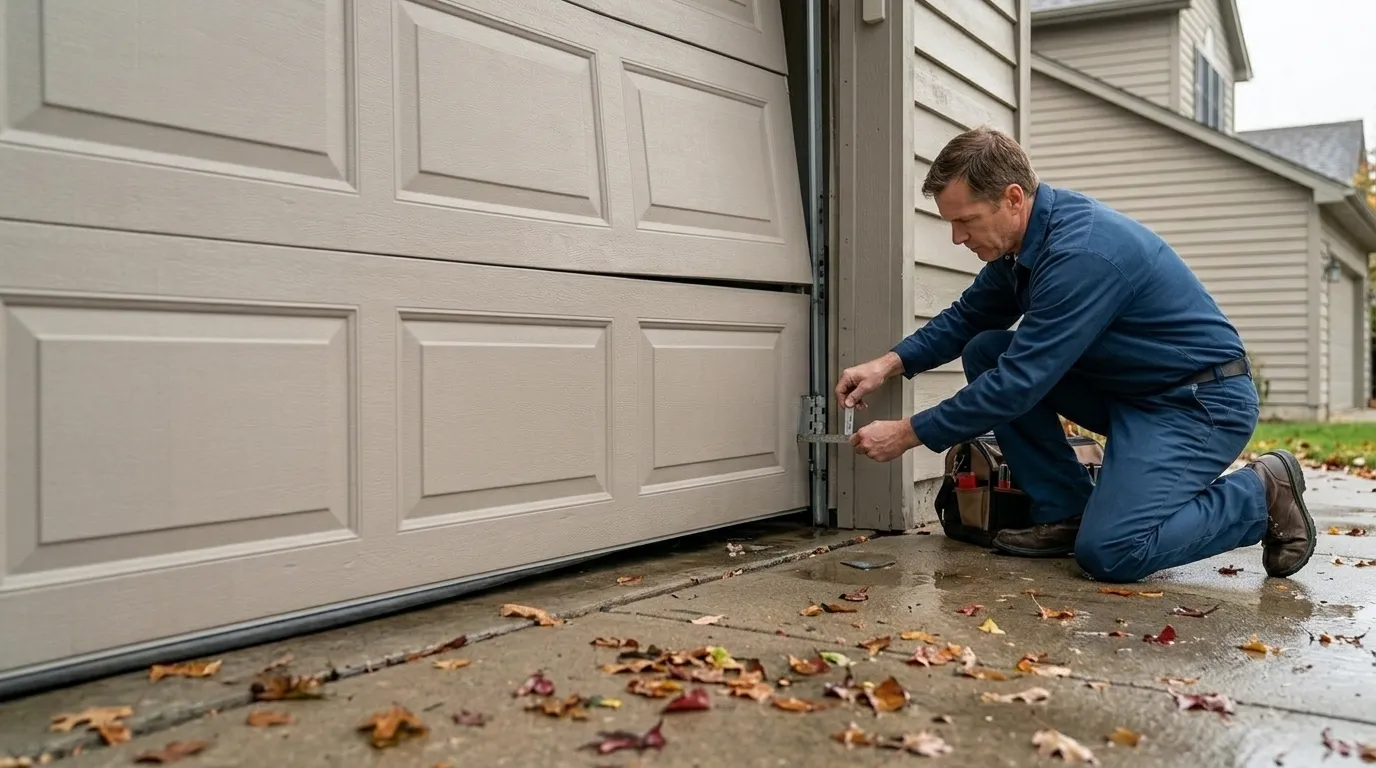
Garage Door Service
Tune-ups, lubrication, and safety checks that catch a small problem before it becomes a service call.
Learn more →Frequently Asked Questions
Why do my garage door sensors work fine in summer but act up in winter?
Temperature swings through a cold-moderate winter cause the metal sensor brackets to contract and expand slightly. Over repeated freeze-thaw cycles that shift adds up, walking the sensor beam out of alignment even though nothing looks visibly wrong.
My sensor light blinks instead of staying solid - is that urgent?
Yes, more urgent than a dead sensor. A blinking light means the alignment is marginal, not failed. It'll likely stop working on a cold morning without warning. Get it checked before it strands the door instead of after.
Is it worth replacing the sensor bracket or just the sensor eye?
Depends on the bracket. If it's bent or the mounting point has cracked, which shows up more in older homes from the earlier end of the local build range, replacing the bracket saves you a repeat visit. If the bracket's solid, swapping just the eye is enough.
Have a Door That Needs a Second Opinion?
Call and describe what it is doing - we will tell you what it likely is.