
Federal Way Garage Door Guide
What a Federal Way Technician Checks First
Federal Way homes run 1938 to 2003, most from the 80s and 90s. Here's what that housing age and our cold, damp climate mean for your door before a tech ever picks up a wrench.
- Licensed & Insured
- Same-Area Service Calls
- Upfront Pricing
Where People Go Wrong
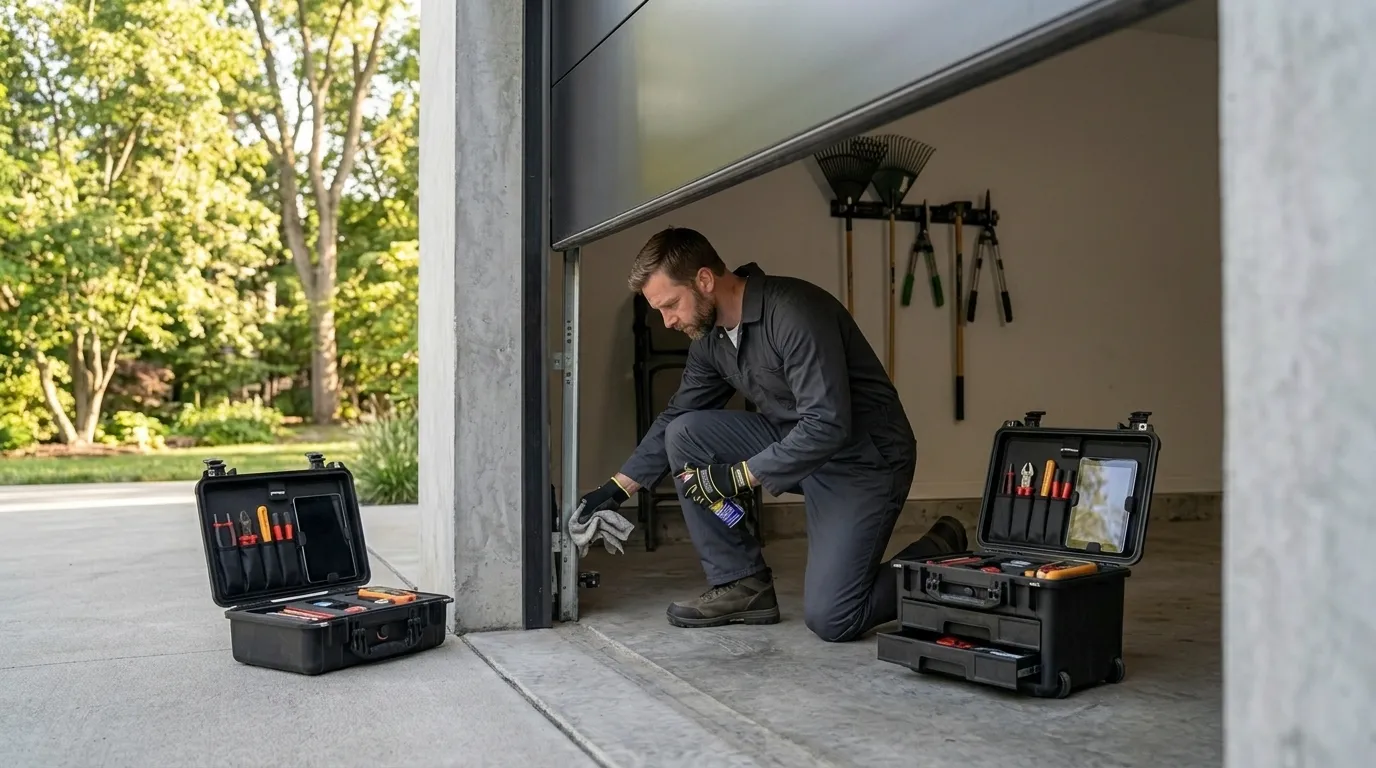
The most common mistake we see is someone hearing a grinding or squealing door and reaching for a can of spray lubricant, then calling it fixed. In a service area where the housing stock runs 1938 through 2003 with a median build year of 1984, that noise is often not a dry hinge - it's a torsion spring or bearing plate that's been doing its job since the Reagan administration and is now on borrowed time. A lot of the 54 named communities in this area went up in waves through the 1980s and 90s, so entire blocks tend to have doors and openers aging out within a few years of each other.
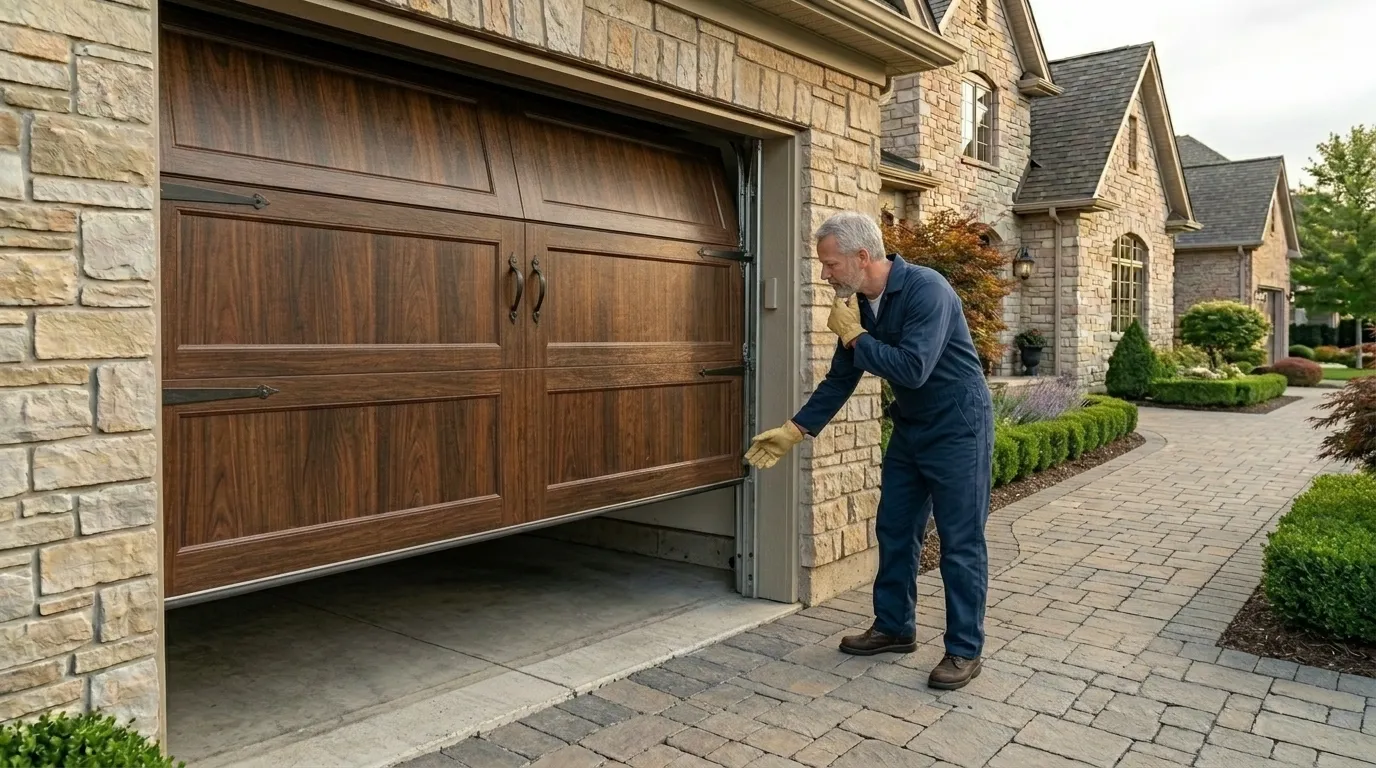
People also skip the track and roller check because the door still opens. On a door built to 1984-era spec, the rollers and the track alignment wear together, and by the time the door binds visibly, the cables are usually close behind. We start by looking at what's original to the house, not just what's making noise.
What You Pay
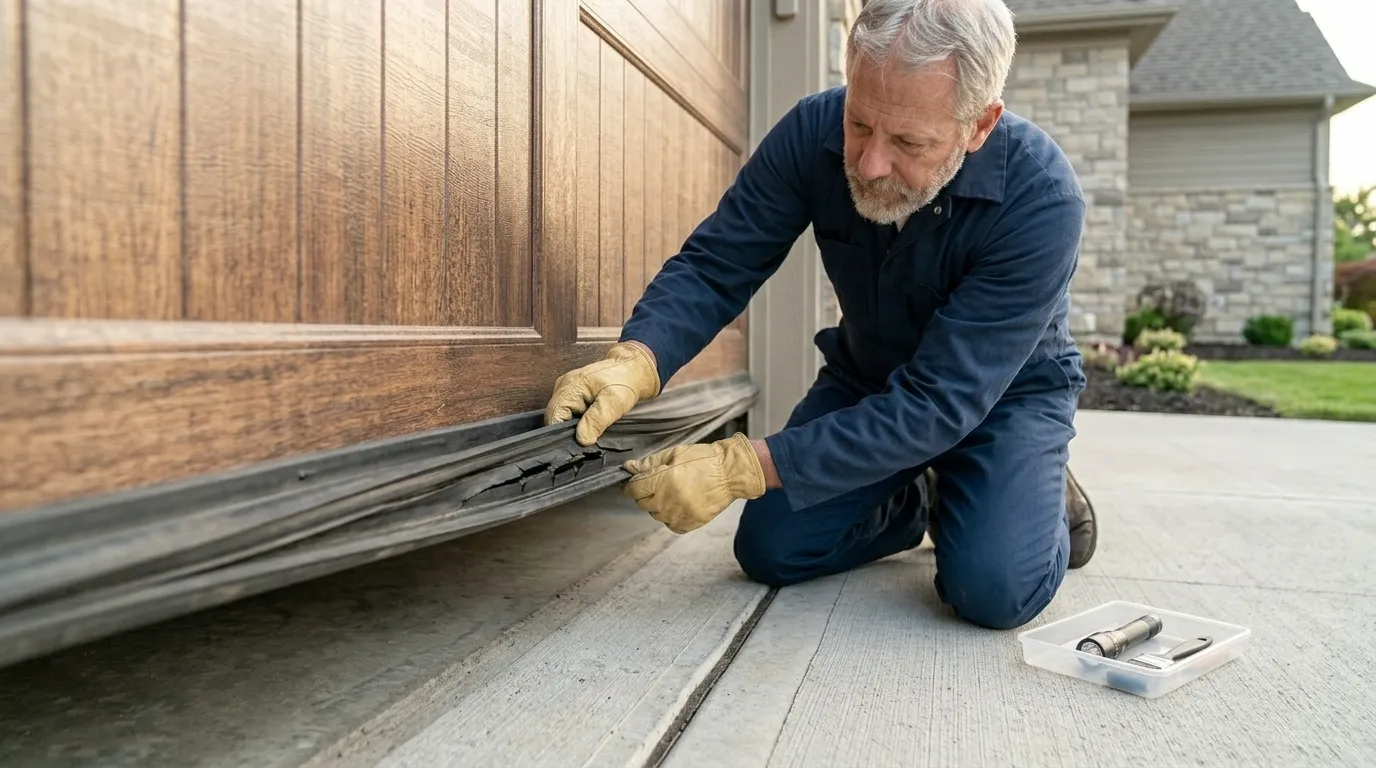
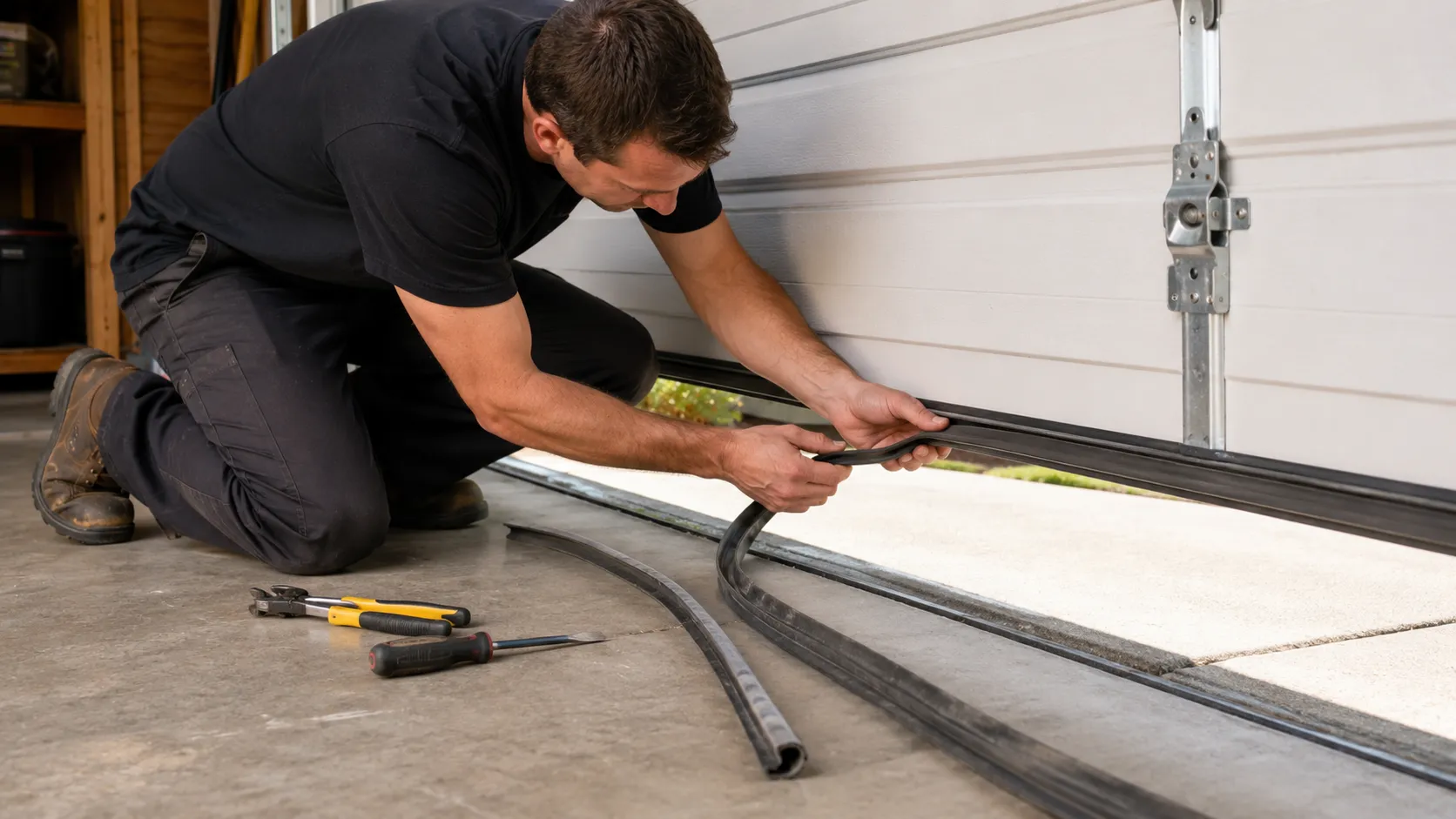
We don't have a standard price sheet to hand you here, and giving you a number without seeing the door would be a guess dressed up as a quote. What we can tell you is what drives the cost difference on a service call: whether the spring size matches the door weight, whether the opener is original to a 1980s or 90s install and needs a compatible replacement versus a straight swap, and whether track misalignment has already chewed up rollers or cables.
Homes on the older end of the 1938-2003 range sometimes need hardware nobody stocks off the truck, which adds a return trip. That's the honest limitation: if your door is original to a house built before double-car garages became standard, expect the first visit to include a diagnosis and a parts order rather than a same-day fix.
The Situation
Federal Way sits inside a service area of roughly 316,256 households, with about 159,518 of those owner-occupied houses - meaning most of the doors we see belong to someone who's going to live with the fix, not a landlord looking for the cheapest patch. Median household income here runs $108,738, which tends to push people toward a real repair or a full replacement rather than a stopgap.
The surrounding map matters too: Lakeland North sits about 3 miles off, Lakeland South and Milton around 4, Algona, Pacific, and Des Moines at 5, with Fife and Edgewood close behind at 6. That density of nearby, similarly built communities means parts demand and installer schedules across this stretch move together - when one neighborhood's doors start failing, the ones a few miles over usually aren't far behind.
What the Weather Here Does to It
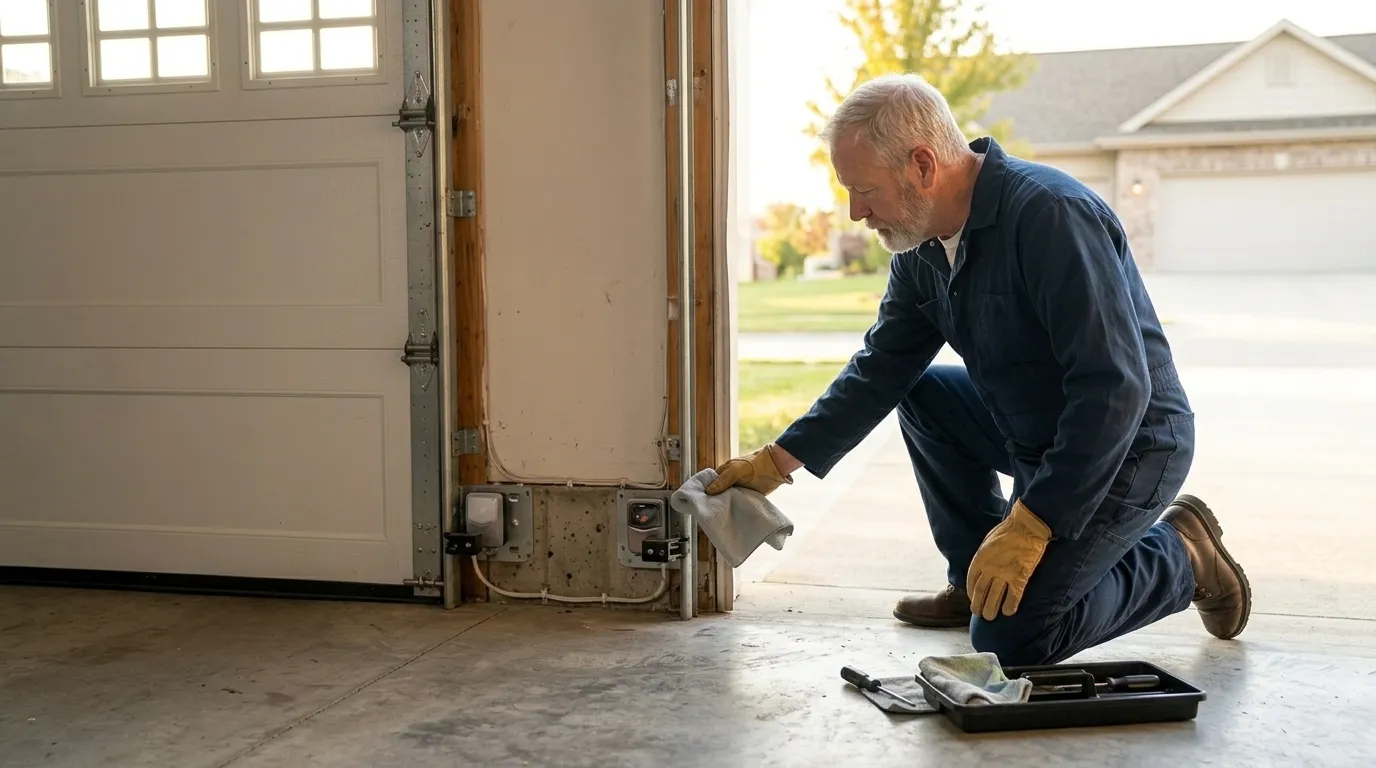
This area sits in a cold, moderate climate band, not the deep-freeze extremes some parts of the country get, but enough to matter for steel and lubricant. Torsion springs lose a measurable amount of lifting force in cold weather, and on a door that's already original to a 1980s or 90s build, that's often the difference between a spring that limps through another winter and one that snaps on a cold morning. Grease and lubricant on older rollers and hinges thicken up in the cold too, which is part of why doors that ran fine in August start groaning or hesitating once temperatures drop.
Damp air also works on any wood trim or composite panels from that era, softening the seams over years. None of this is dramatic weather - it's just steady, and steady is what wears out hardware built decades ago.
How We Can Help
Garage Door Repair
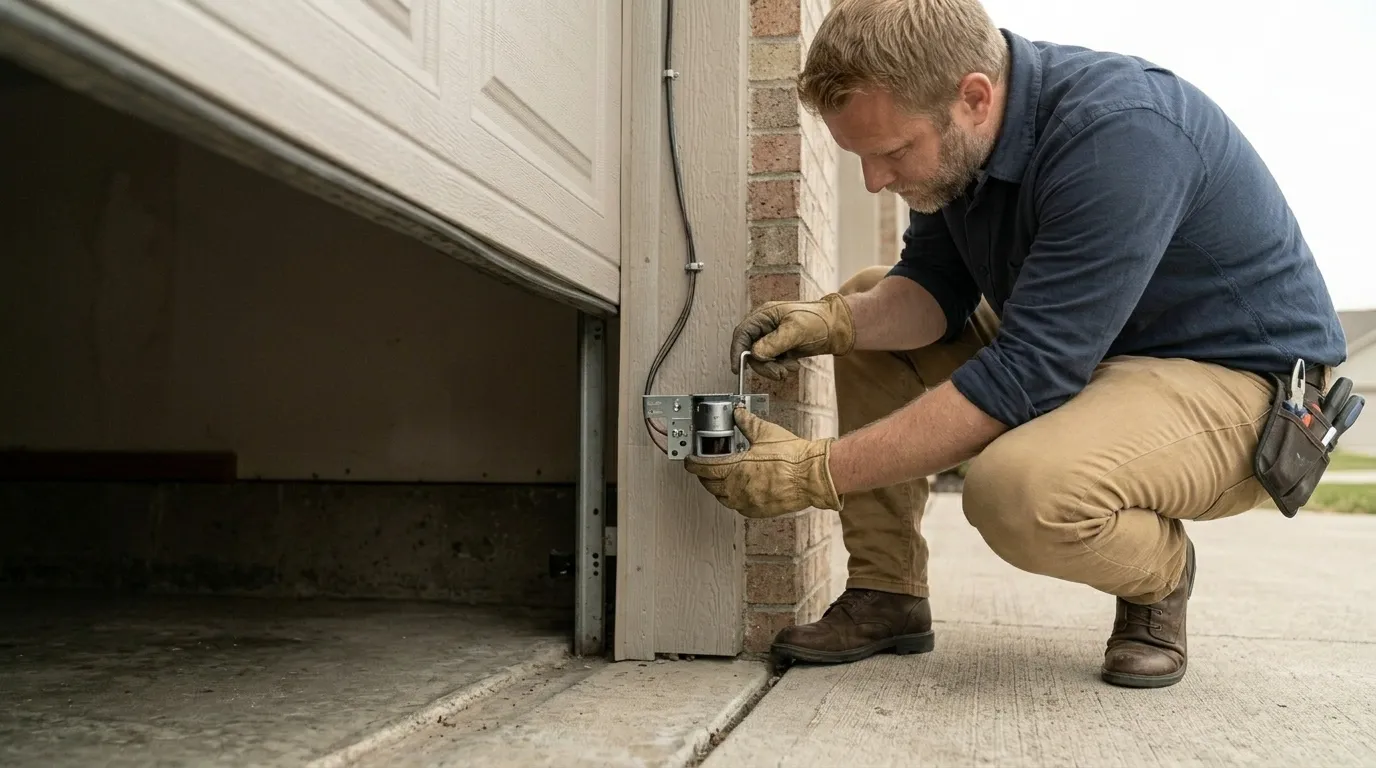
Springs, cables, tracks, rollers, and openers fixed by a tech who explains the problem before touching anything.
Learn more →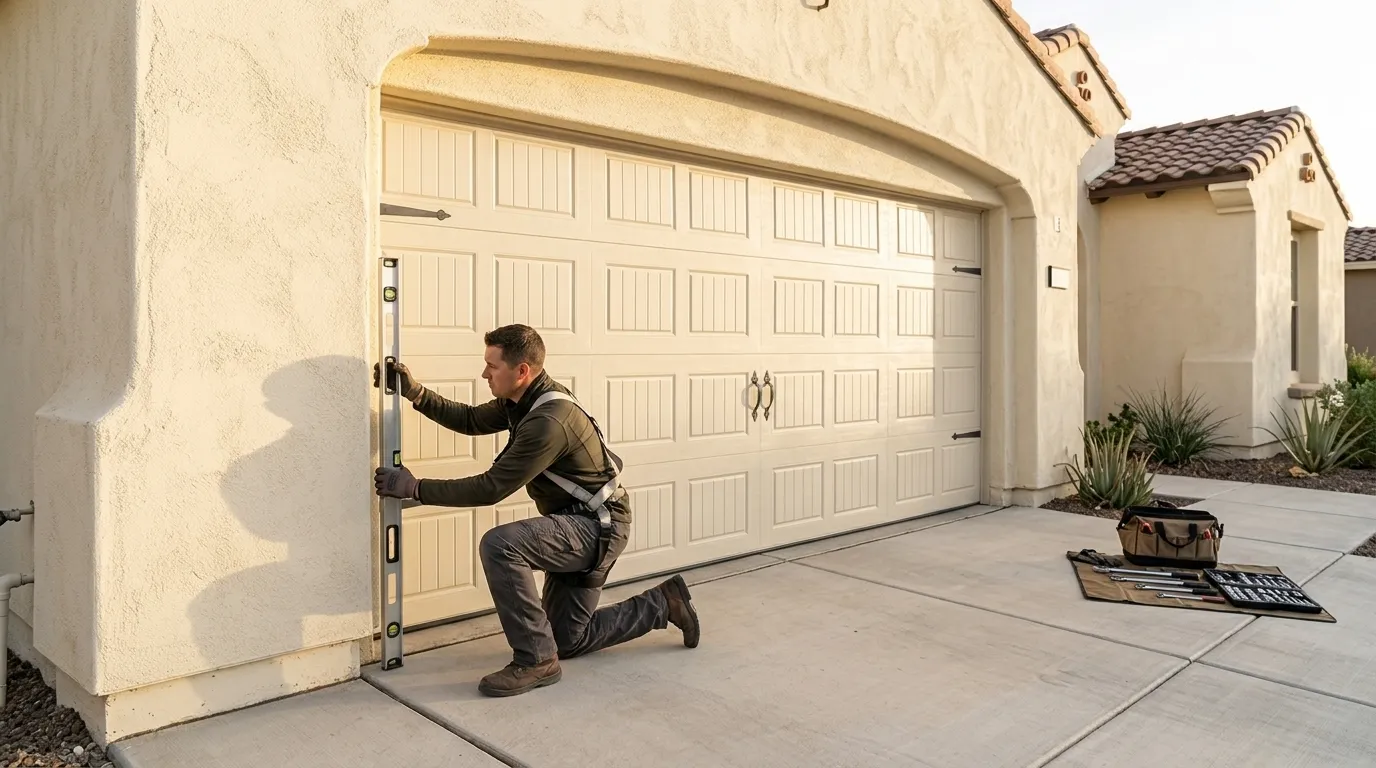
Garage Door Installation
New sectional doors sized and installed for the housing stock actually built in this area.
Learn more →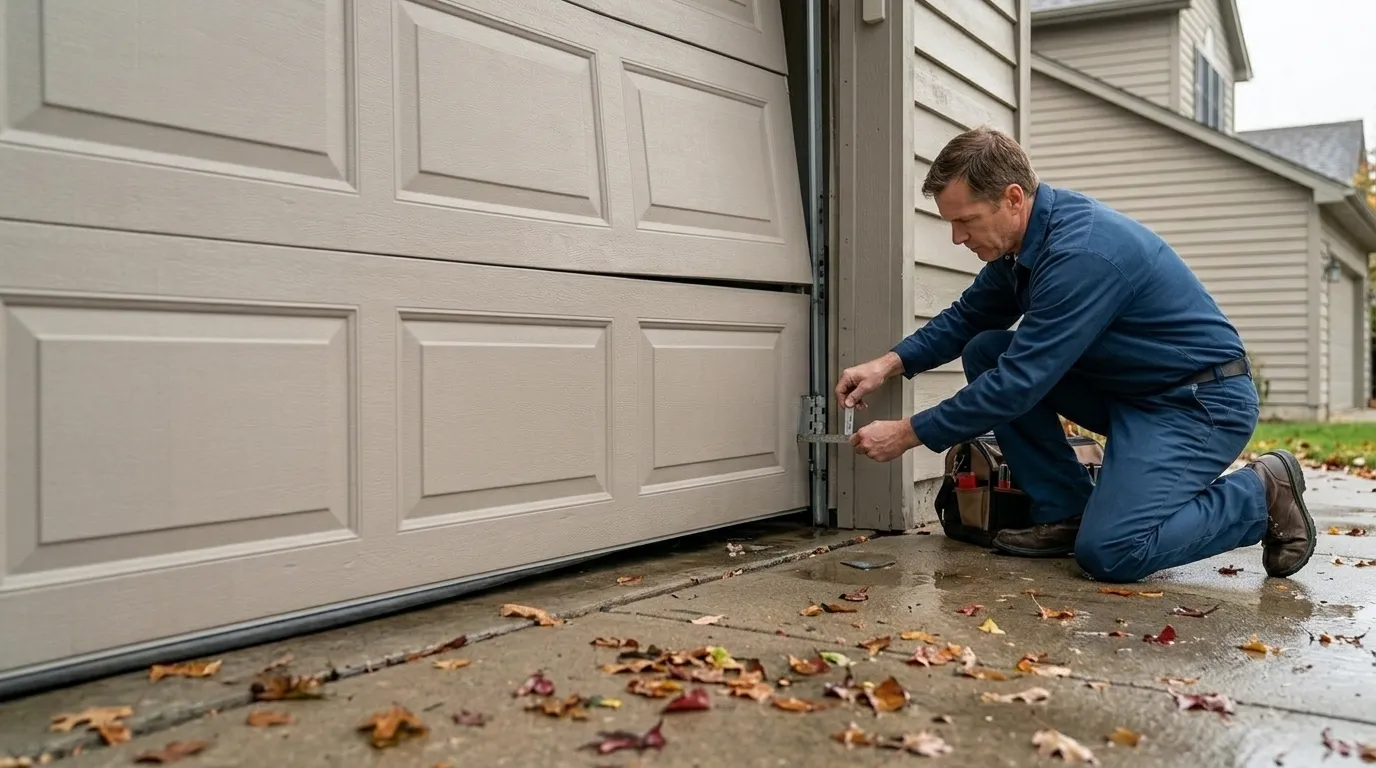
Garage Door Service
Tune-ups, lubrication, and safety checks that catch a small problem before it becomes a service call.
Learn more →Frequently Asked Questions
My garage door is loud in the morning but fine by afternoon. Is that a real problem?
Yes, usually. Cold mornings stiffen lubricant and tighten steel spring coils, so a door that's marginal will complain more at 40 degrees than at 60. It's not something that fixes itself with warmer weather - it means the hardware is already working harder than it should.
How old does a garage door have to be before replacement makes more sense than repair?
It depends on what's failing, not just the age. A door original to a house built in the 1980s or earlier can often be repaired if the panels are sound, but once the opener, springs, and track are all original and failing together, a technician will usually tell you straight that patching each one separately costs more over time than replacing the unit.
Do you know what year my house was built without me telling you?
No, and we won't guess. We can tell you that most homes in this area date to the 1938-2003 range with a lot of construction concentrated in the 1980s and 90s, but the exact year of your house and its original hardware is something we confirm on site, not something we assume from an address.
Have a Door That Needs a Second Opinion?
Call and describe what it is doing - we will tell you what it likely is.